Packet Radio in Northern Colorado
Packet Radio is one of the most important digital revolutions in amateur radio history. Long before smartphones and WiFi, hams were already sending digital messages over RF using keyboards, modems, and bulletin board systems.
My station, K5NWZ, operates 24/7 on 145.050 MHz here in Northern Colorado. If you tune in, you’ll hear active stations connecting to BBS systems, personal mailboxes, nodes, and Winlink gateways.
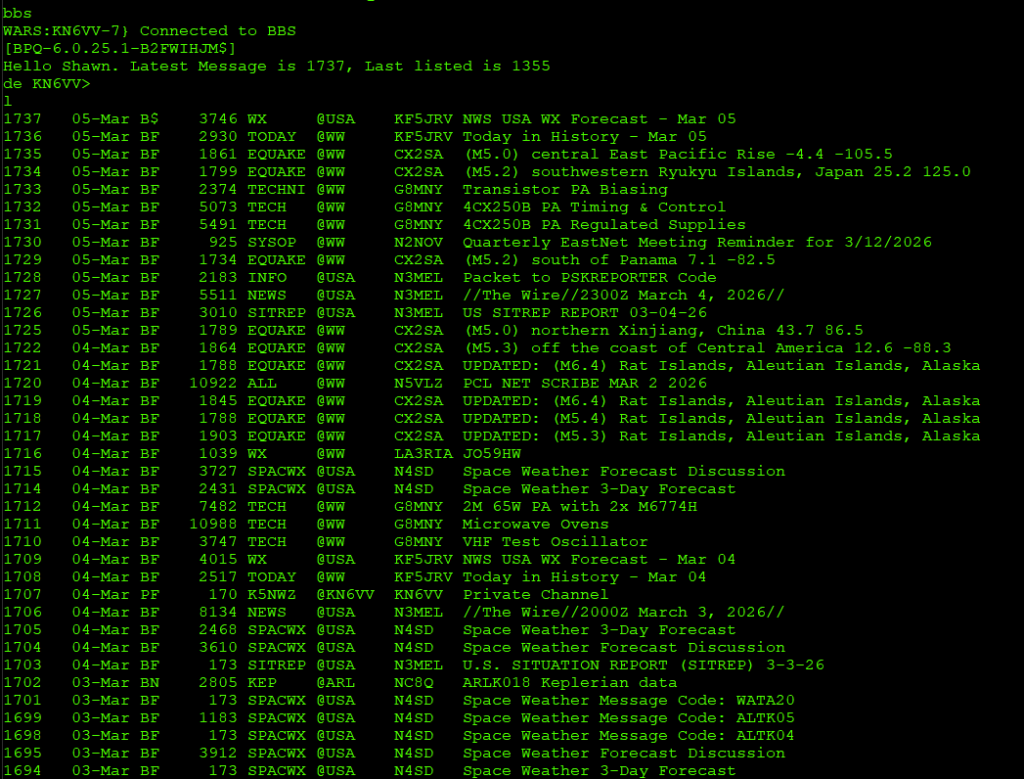
My home BBS is the WARS BBS owned and operation by my freind Tom, KN6VV.
To send me paket mail, address it to:
K5NWZ@KN6VV
My personal mailbox runs as K5NWZ-1.
A small snipet of information you can read on the WARS bbs
A Brief History of Packet Radio
Packet Radio began taking off in the late 1970s and early 1980s when amateur operators adapted the AX.25 protocol for use over VHF radio.
Instead of voice, stations transmitted digital “packets” of data. These packets could carry:
• Keyboard messages
• Bulletin board posts
• Files
• Routing information
• Email
By the 1980s and 1990s, Packet networks were everywhere. Hams built interconnected systems of:
• Digipeaters
• Nodes
• Personal mailboxes
• Full Bulletin Board Systems (Check out the WARS bbs here in NOCO)
You could connect across cities, states using even other countries using RF only. It was essentially a radio-based internet before most households had dial-up.
Packet became a backbone for:
• Emergency communications
• Formal traffic handling
• Early digital email
• Network experimentation
• Infrastructure-independent messaging
Many modern digital systems such as APRS and Winlink trace their roots directly back to Packet Radio.
While internet connectivity reduced casual usage, Packet never disappeared. It remains one of the most educational and technically satisfying modes in amateur radio.
My Packet Station (LOVE)
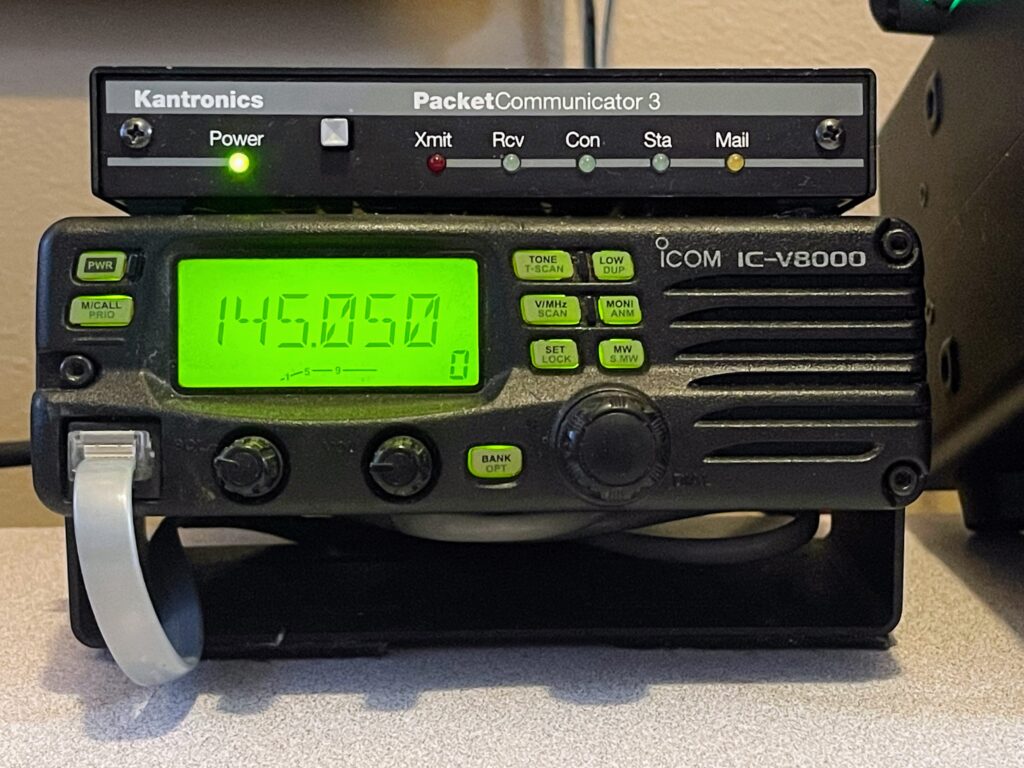
Main Base Station
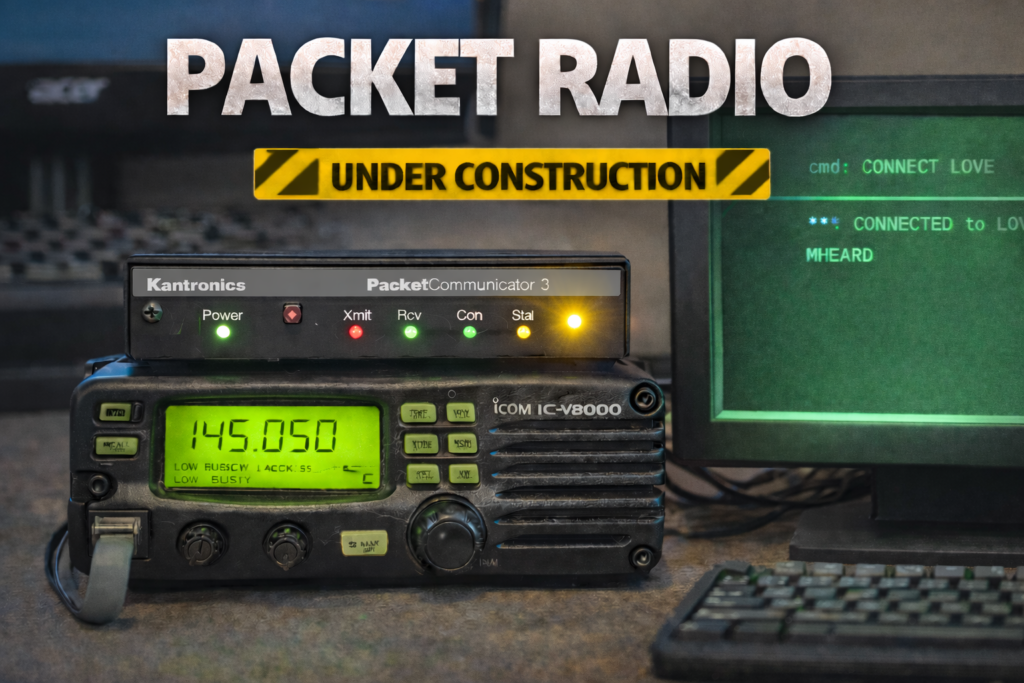
My primary Packet station consists of:
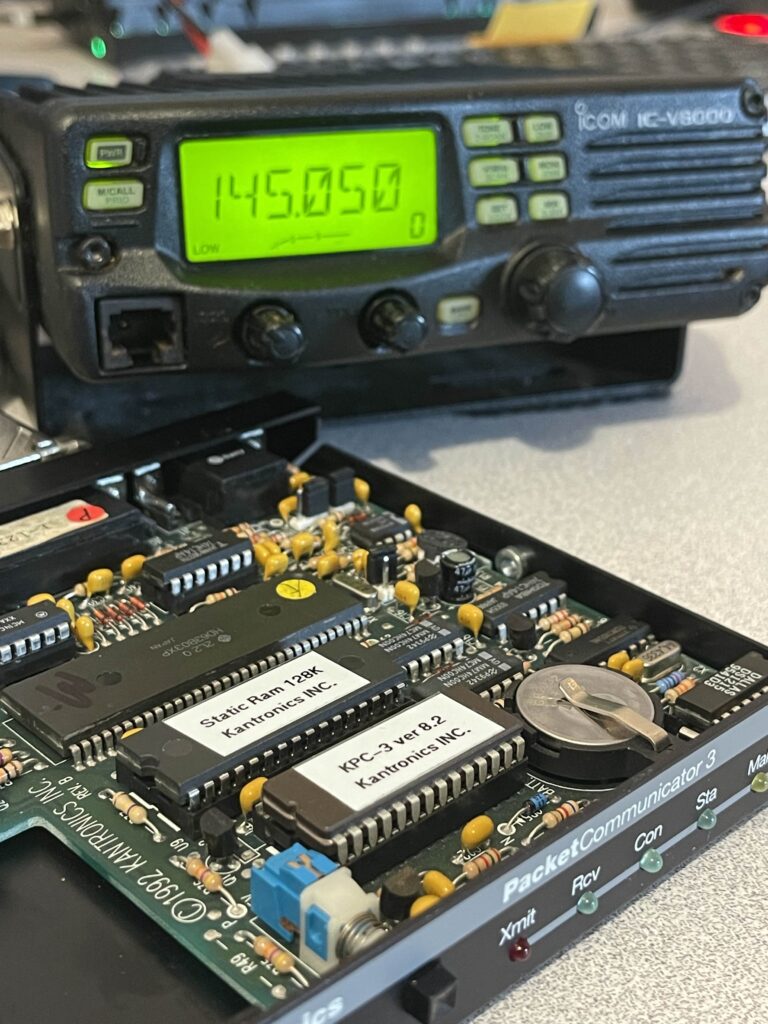
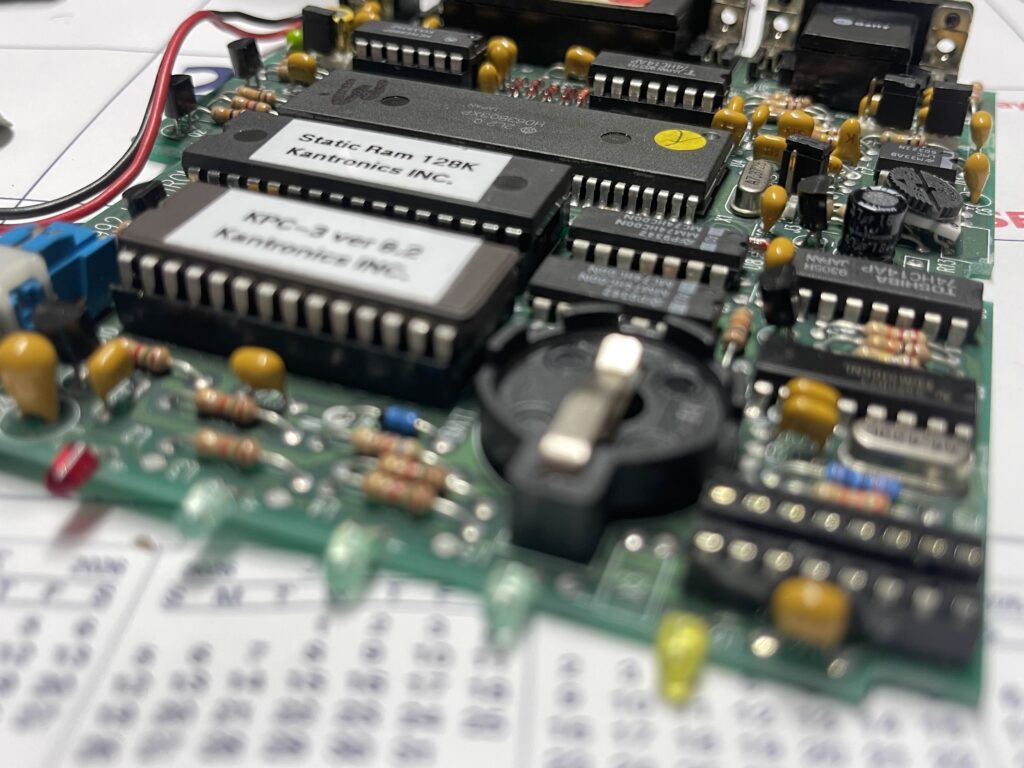
• Kantronics KPC-3 TNC
• ICOM IC-V8000 2 meter mobile radio
• A modest dual band mobile antenna mounted on the roof
The KPC-3 handles the AX.25 protocol and packet decoding. The IC-V8000 provides reliable, clean RF at solid power levels. The roof-mounted antenna gives me consistent coverage across the region.
This setup runs as my main station and mailbox.
Portable and Secondary Access
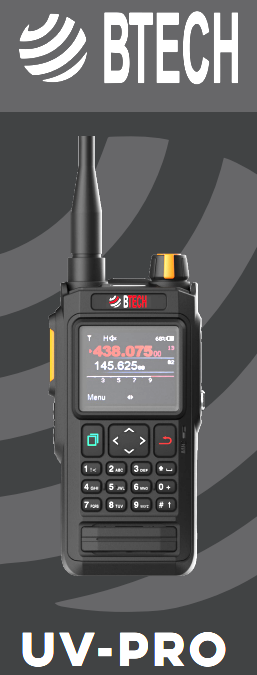
I also operate Packet using a BTECH UV-PRO with a built-in TNC. It’s an easy way to get on the air without external hardware.
For control and connections:
• I use Packet Commander on my iPhone to access other Packet stations and BBS systems.
• I use the iPhone app Radiomail for Winlink over RF.
It’s amazing how portable Packet has become compared to the early days of dedicated terminals and desktop computers.
What My Station Hears (MHEARD)
Here is a recent snapshot of stations heard on 145.50 MHz:
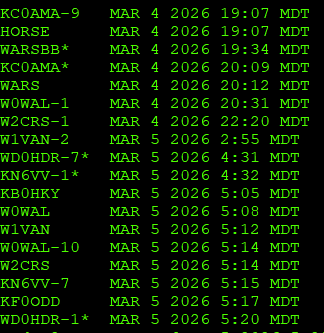
Packet is active. You just have to listen.
How You Can Get Started
You do not need expensive gear to jump into Packet Radio.
You can:
Use a Traditional Hardware TNC
Classic TNCs like the KPC-3 are still fantastic performers and widely available or even free software like SoundModem
Use a Radio with a Built-In TNC
Radios like the UV-PRO simplify everything into one device.
Use Soundmodem
You can run a software TNC like Soundmodem on your computer.
Soundmodem uses your computer’s sound card as the TNC. With a simple audio interface to your radio, you are fully operational on Packet without dedicated hardware.
It is one of the most affordable and flexible ways to experiment.
Why Packet Still Matters
Packet teaches:
• Digital networking over RF
• Store and forward messaging
• Node routing
• Protocol fundamentals
• Self-reliant communications
It works without the internet.
It encourages tinkering.
It rewards experimentation.
If you enjoy mesh networks, digital modes, and building systems that operate independently, Packet Radio is a natural fit.
Come Tinker With Us
If you are in Northern Colorado, tune to 145.50 MHz and see what you hear.
Connect to the WARS BBS.
Send a message to K5NWZ@KN6VV.
Check out mailbox K5NWZ-1.
Dust off that old TNC. Try Soundmodem. Hook up a cable and watch the text scroll across your screen.
Packet Radio is one of the most satisfying corners of amateur radio.
There is always room for one more station on frequency.
See you on 145.50 MHz.
We invite you to join us on our discord server for information and set up help.
Special thank you to KN6VV
I want to personally thank Tom, KN6VV, for encouraging me to dust off my old KPC-3 and get it back on the air. Not only did he talk me into bringing packet back to life in my shack, he also provided the component needed to upgrade my TNC and walked me through configuring everything step by step until I was up and running.
I do not think anyone would disagree when I say that Tom played a major role in resurrecting packet radio here in Northern Colorado.
Thank you, Tom.