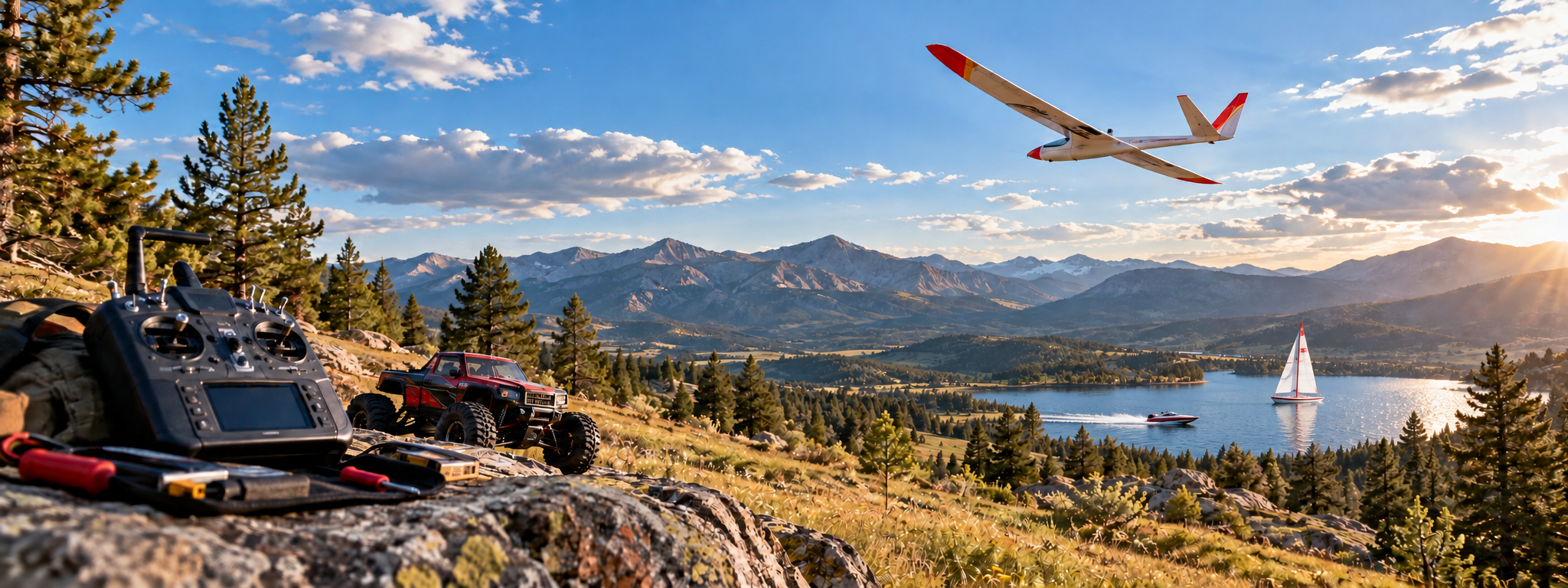
Small machines. Real engineering. A lifetime of memories.
Radio control has been an absolute fascination of mine since I was young. I can still remember watching my uncle fly radio-controlled sailplanes in the rising air along the coastal cliffs of Southern California. Seeing an unpowered airplane remain aloft on the updraft—and respond to commands sent invisibly from a handheld transmitter—captured my imagination and never really let go. That experience has influenced a lifetime of involvement in radio control: airplanes, gliders, boats, sailboats, cars, trucks, autonomous aircraft, electronics and unusual experiments. Radio control is where aerodynamics, electronics, mechanics, fabrication and piloting meet, and it has remained one of the most rewarding parts of my life. This page is both a beginner’s doorway into the hobby and a growing project journal, but it represents only a small fraction of the projects, memories and RC interests I hope to share.
You do not need to understand everything before you begin
Modern ready-to-run models make it easy to start, while kit building and scratch building can take the hobby as far as you want. A good first experience begins with the right model, a safe place to operate and help from somebody who has already made the common mistakes.
Airplane, glider, boat, crawler, road car, drone or something you build yourself.
Choose equipment matched to your space, experience, budget and repair tolerance.
Respect people, property, batteries, propellers, frequencies and local flying rules.
The hobby is much bigger than airplanes
Aircraft & gliders
Learning to control a machine in three dimensions rewards smooth inputs, planning and an understanding of wind and energy.
Cars, trucks & crawlers
Fast road cars, trail trucks and detailed scale builds combine suspension, gearing, traction, fabrication and driving skill.
Boats & sailboats
Water adds its own challenges: wind, balance, waterproofing, recovery and the quiet satisfaction of a well-trimmed sailboat.
Electronics & fabrication
Transmitters, receivers, servos, batteries, telemetry, GPS, autopilots and 3-D printing turn ideas into working machines.
Built, flown, driven, repaired and remembered
This section is being expanded from my personal photo archive. Instead of one enormous gallery, the photographs will be organized into individual stories so each airplane, boat, vehicle or experiment has context: what it was, what I changed, what worked, what failed and why it mattered.
Aircraft projects
Build sequences, covering and paint, radio installation, field photographs, first flights and repairs.
Boats restored and sailed
Hull and rigging work, radio installation, launch days and the details that bring an older model back to life.
Vehicles and scale builds
Cars, trucks, trail machines and the ongoing Mini DX Explorer project.
Hangar 9 Taylorcraft — converted to electric power
This red-and-white Hangar 9 Taylorcraft was designed around a gasoline engine, but I built mine as an electric aircraft. That conversion is an important part of its story: choosing a motor, speed controller, battery arrangement and balance point that could replace the weight and character of the original gas installation while keeping the clean outline of the scale airframe.
The Taylorcraft is a high-wing, cabin-style airplane with classic lines and a stable-looking stance, but a model of this size still rewards careful setup, smooth control inputs and respect for its momentum. The photographs below form a visual timeline covering the build, electric conversion, finished details, field preparation and flying memories.
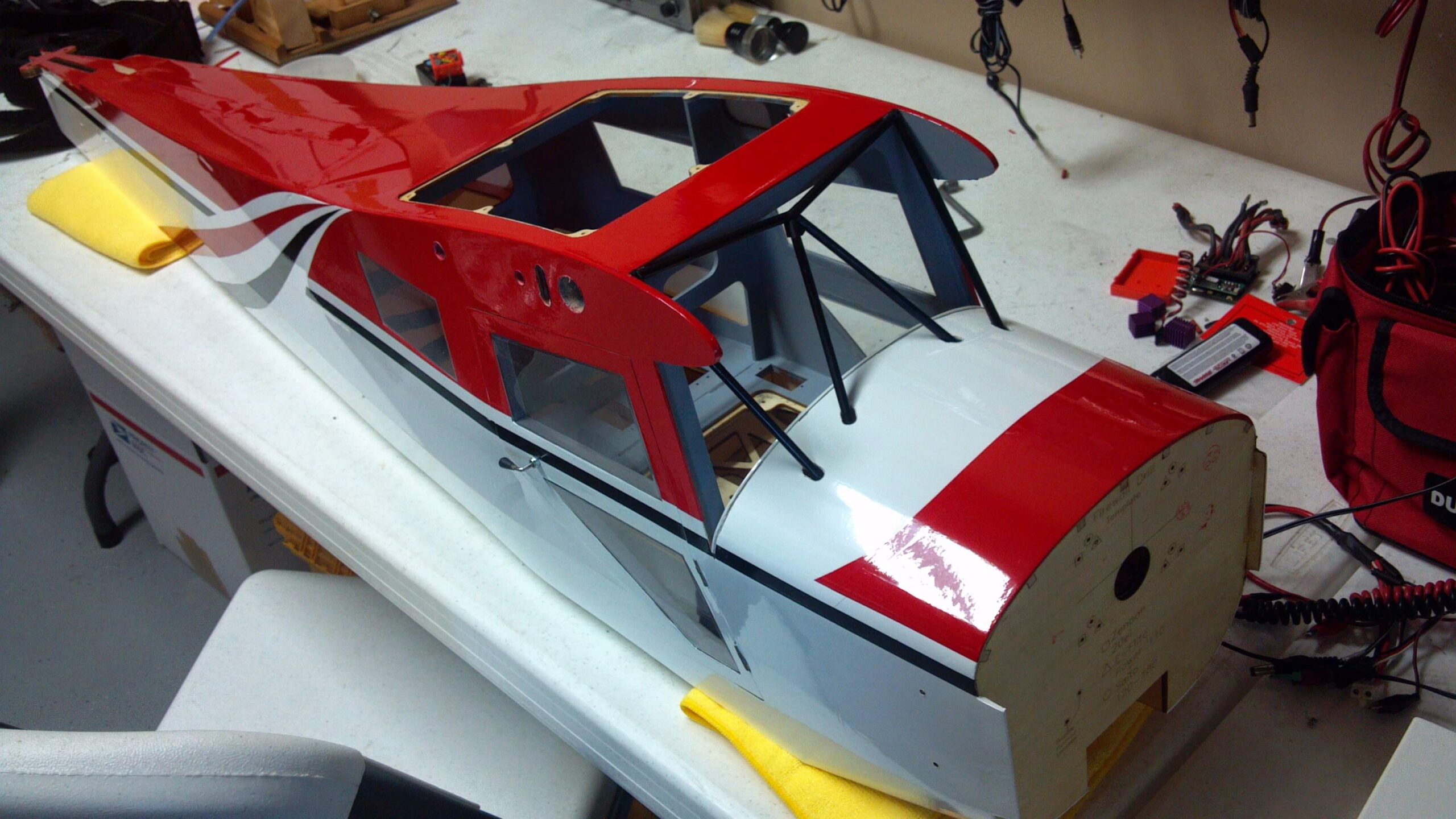
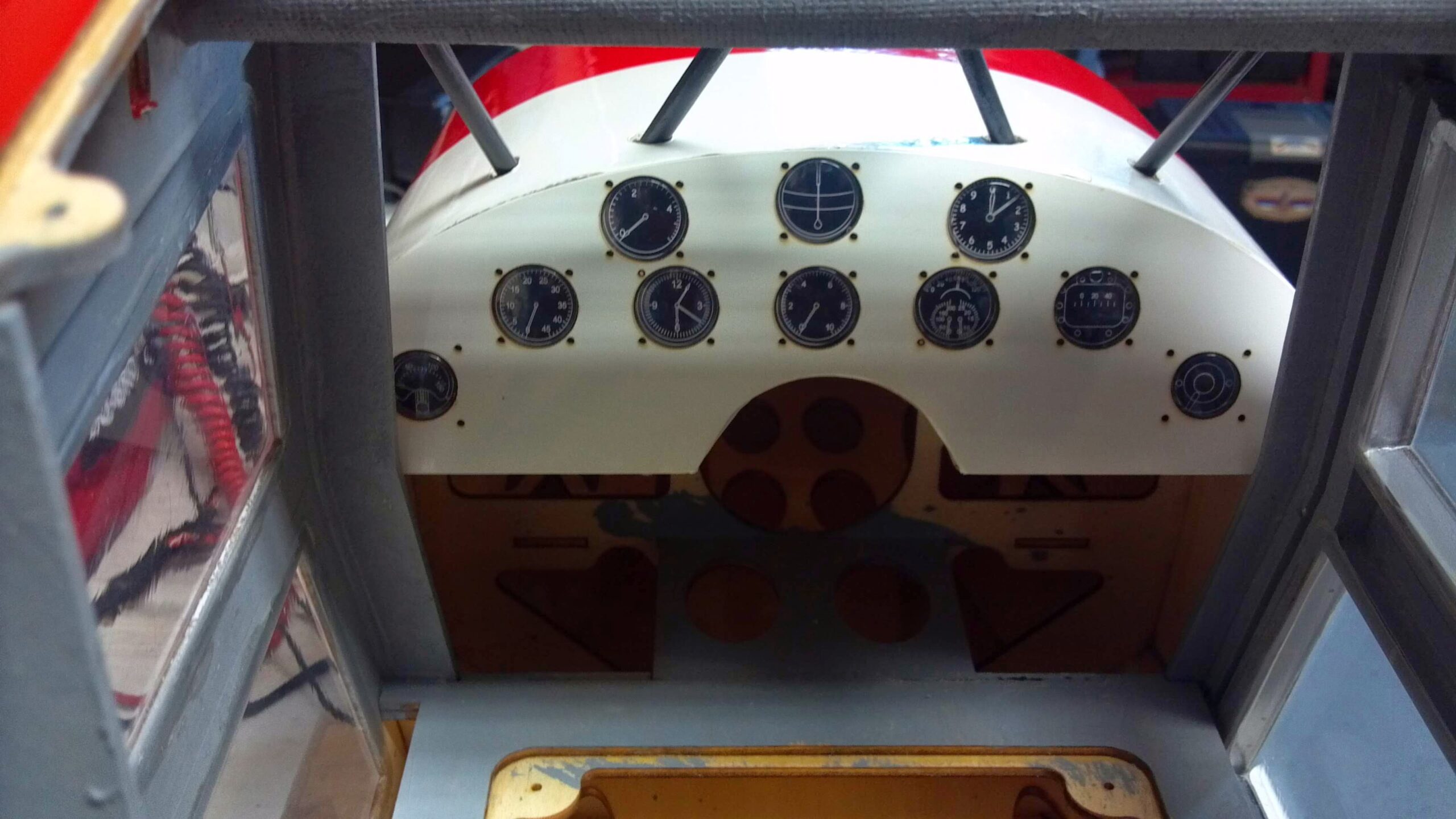
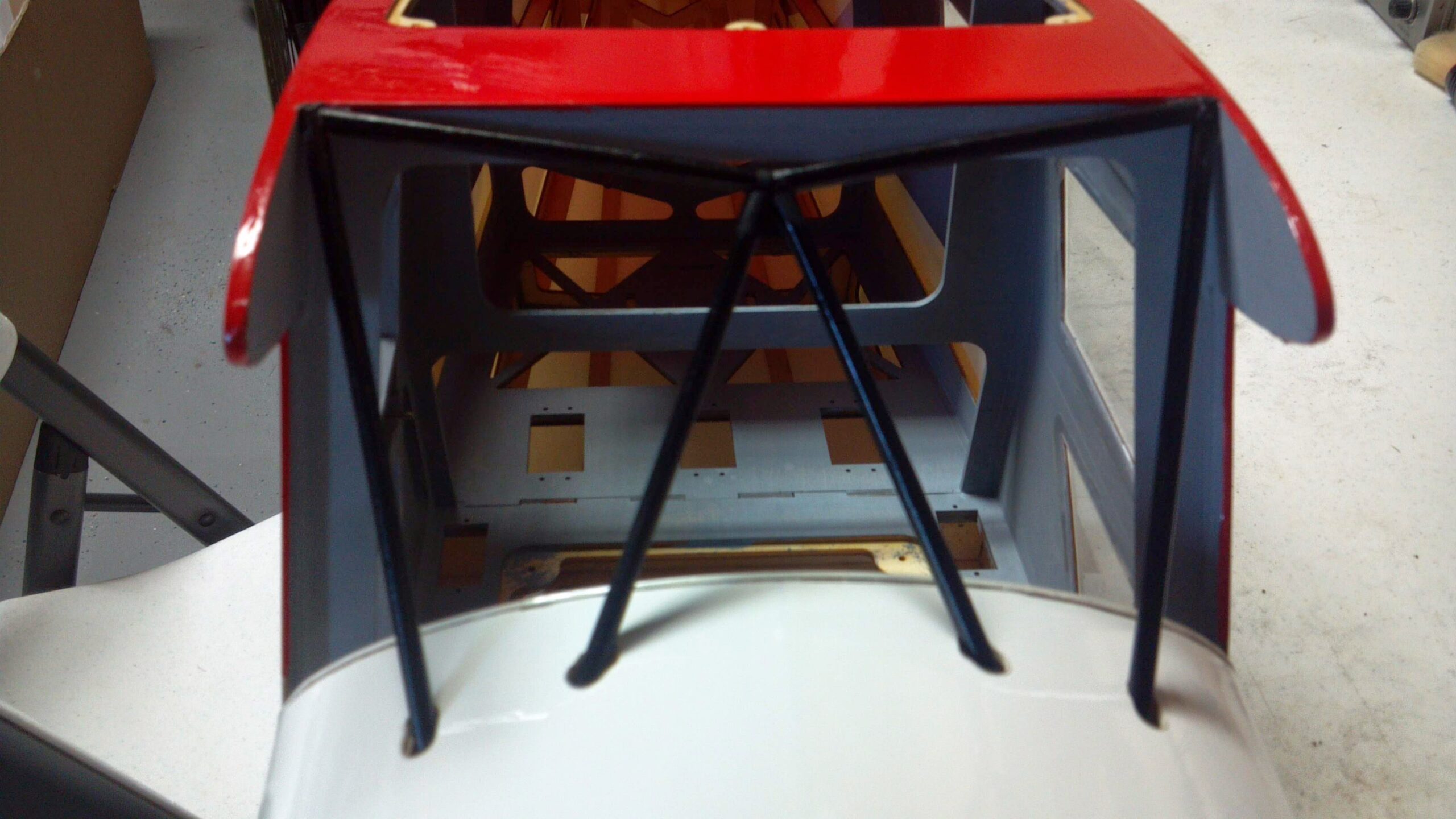
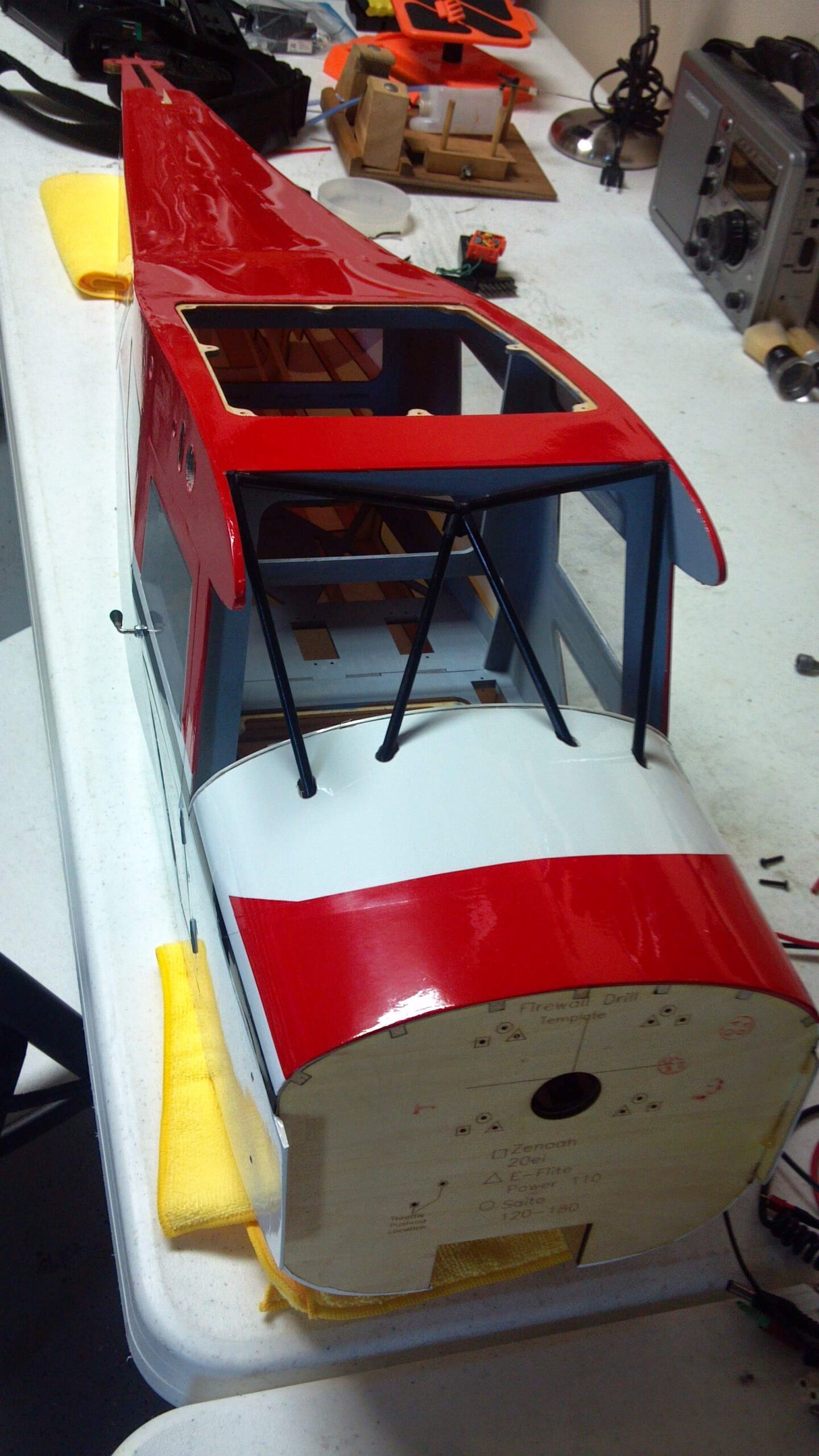
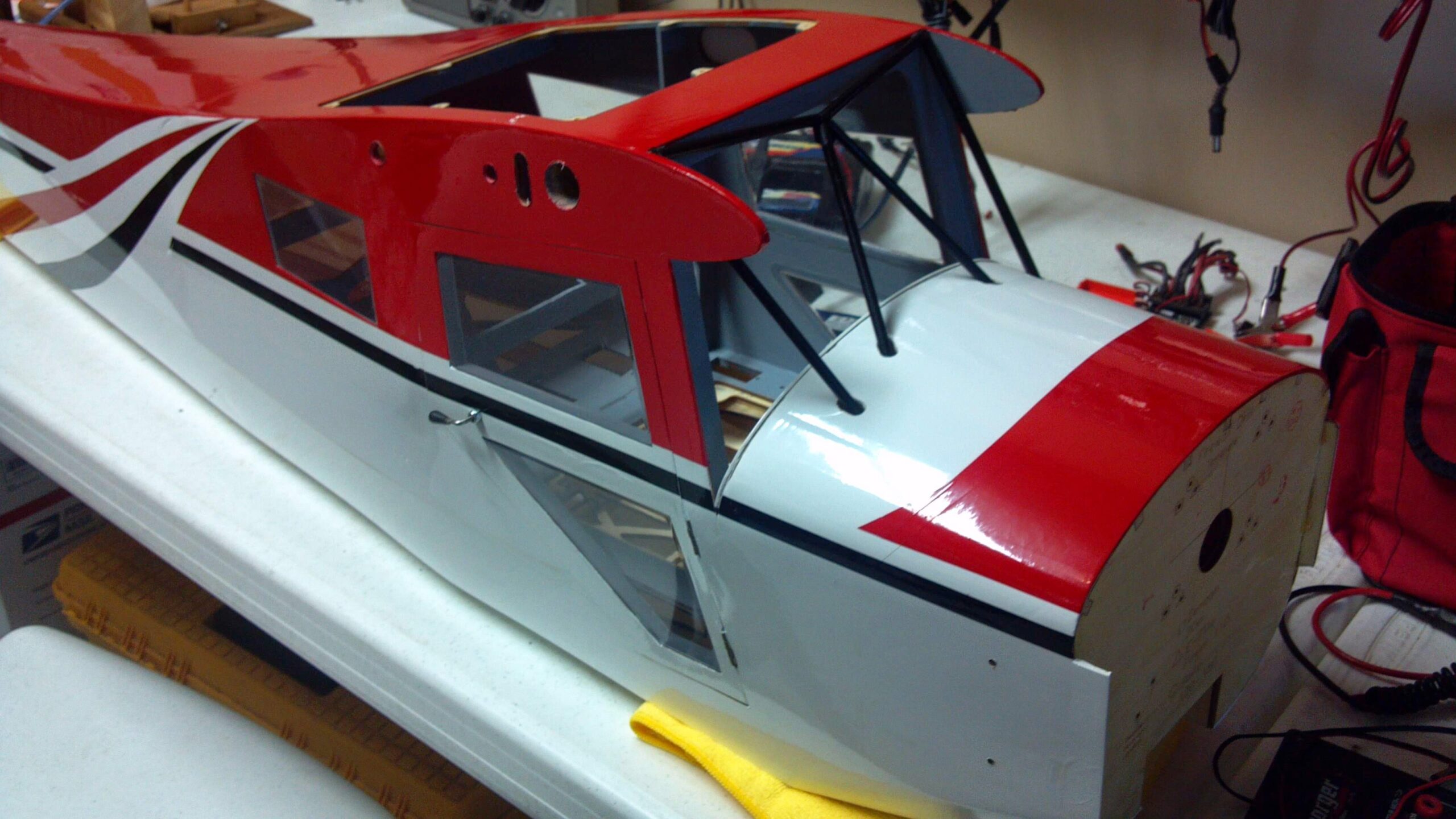
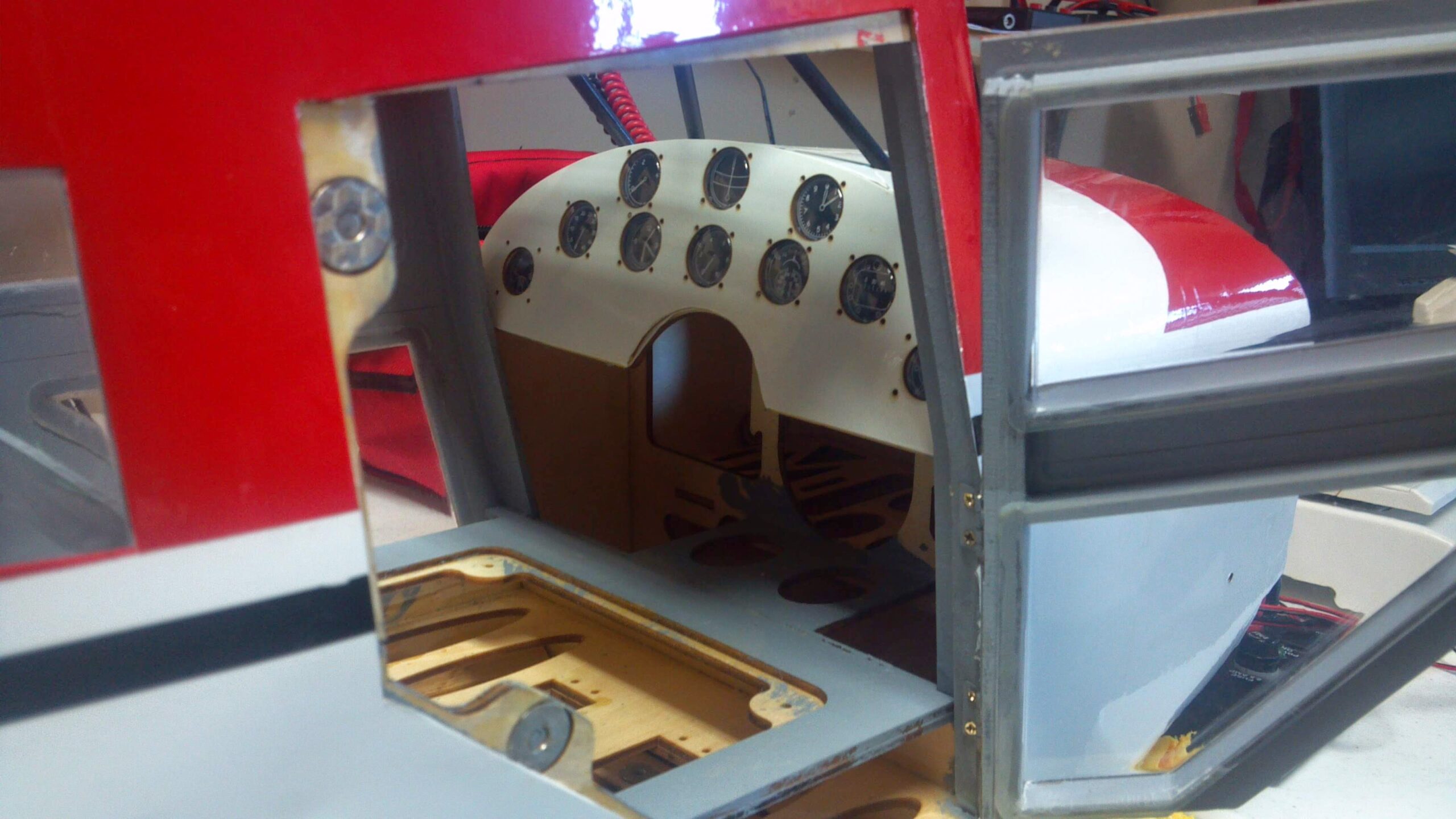
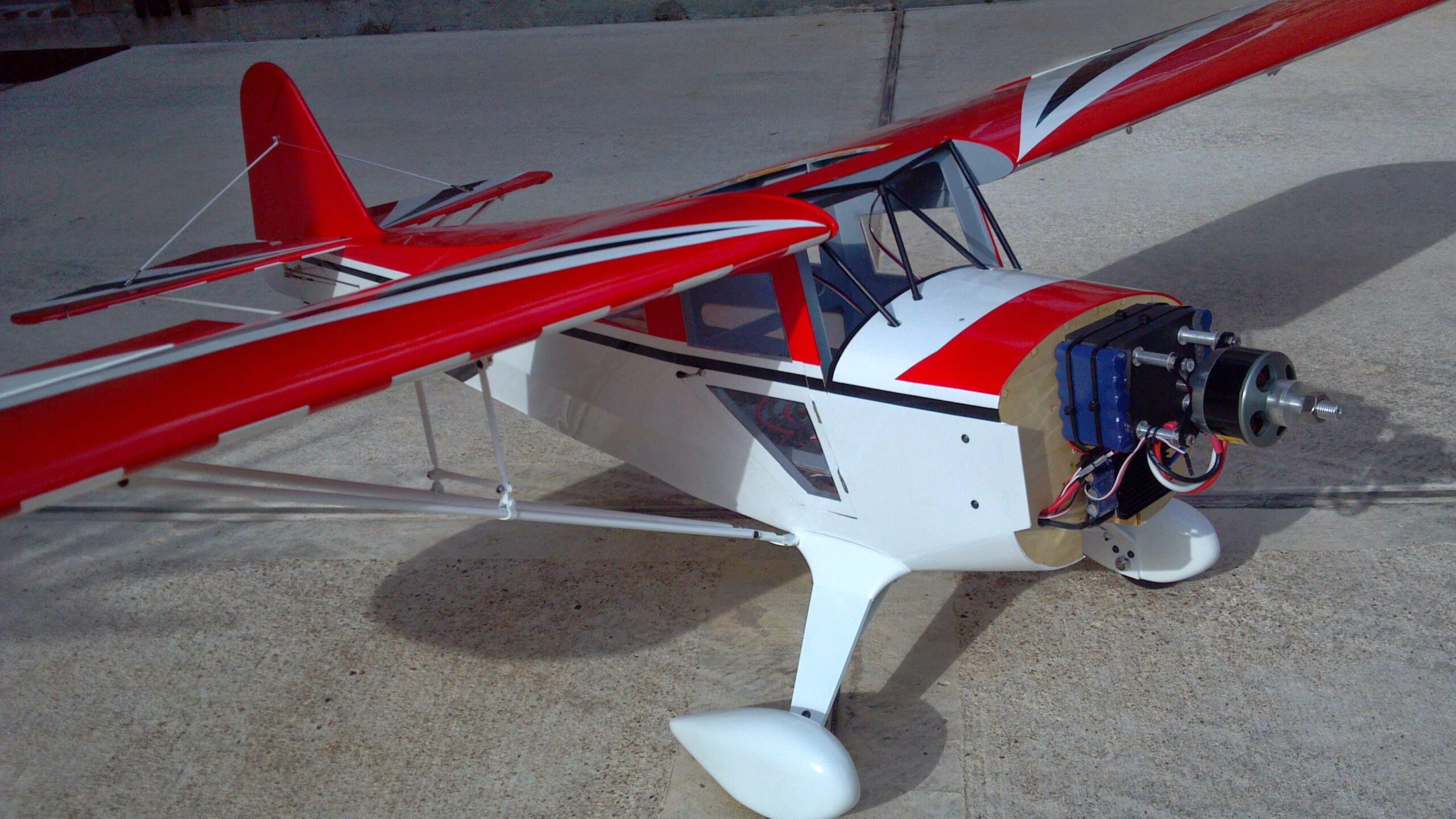
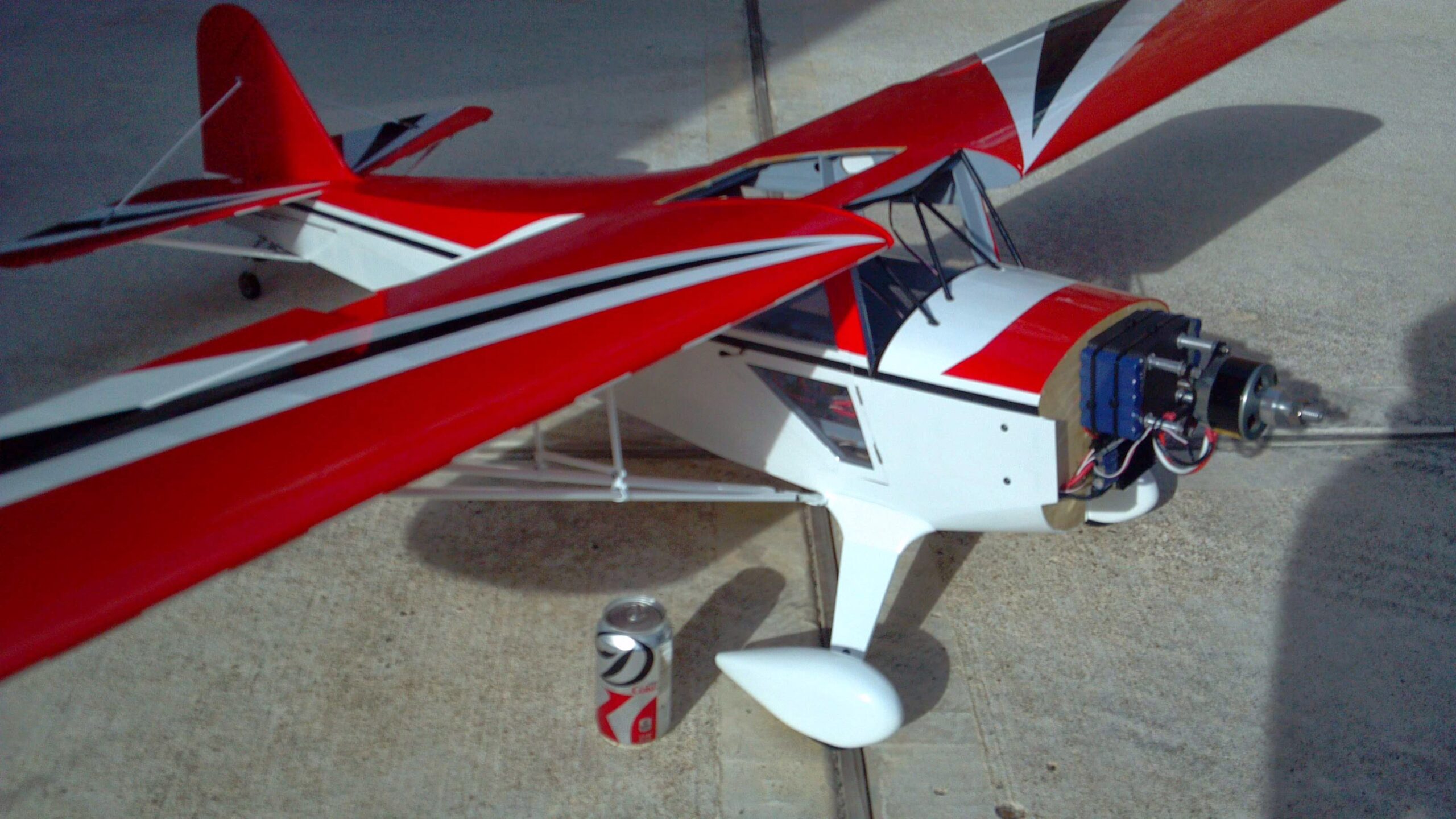
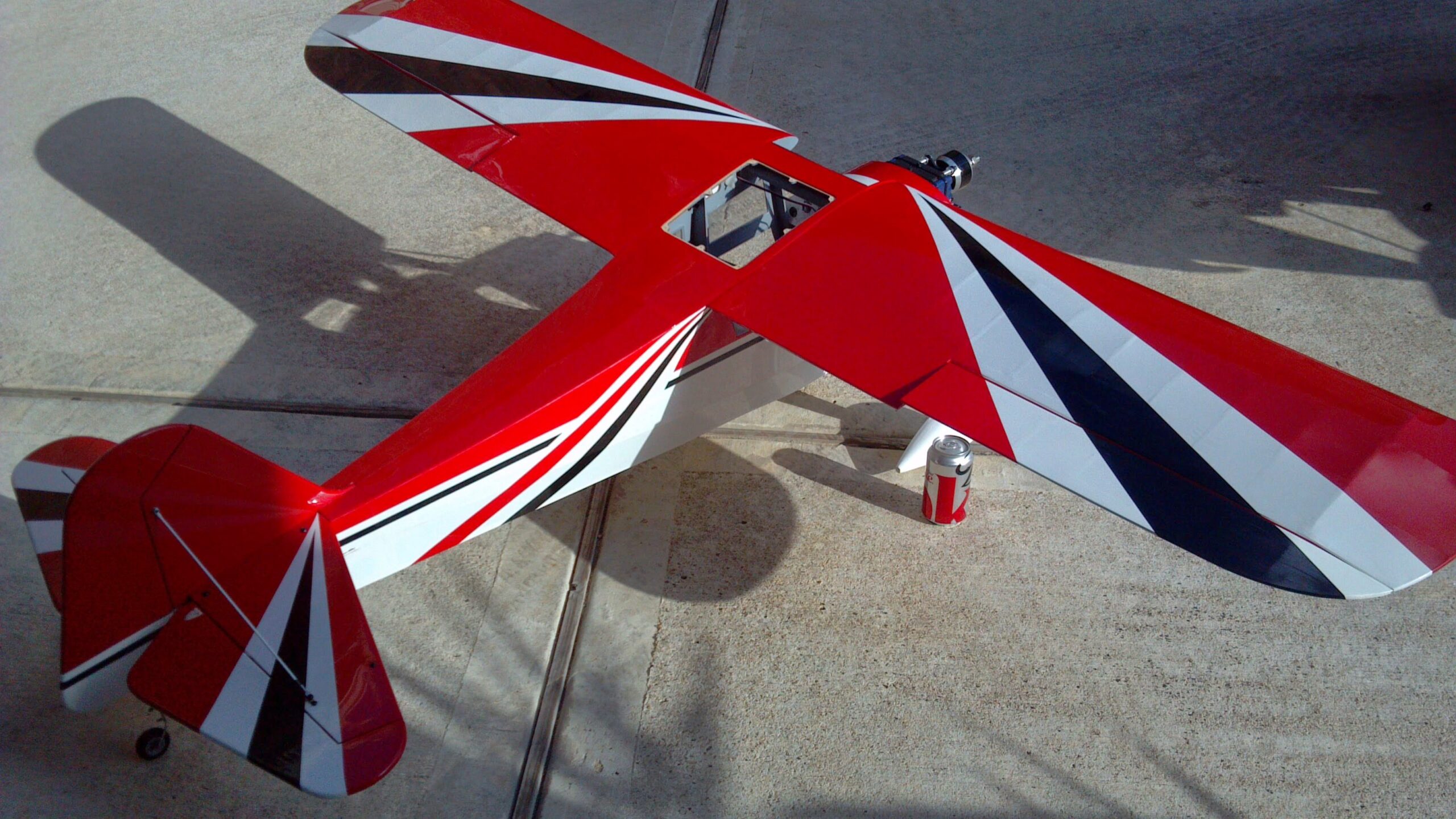
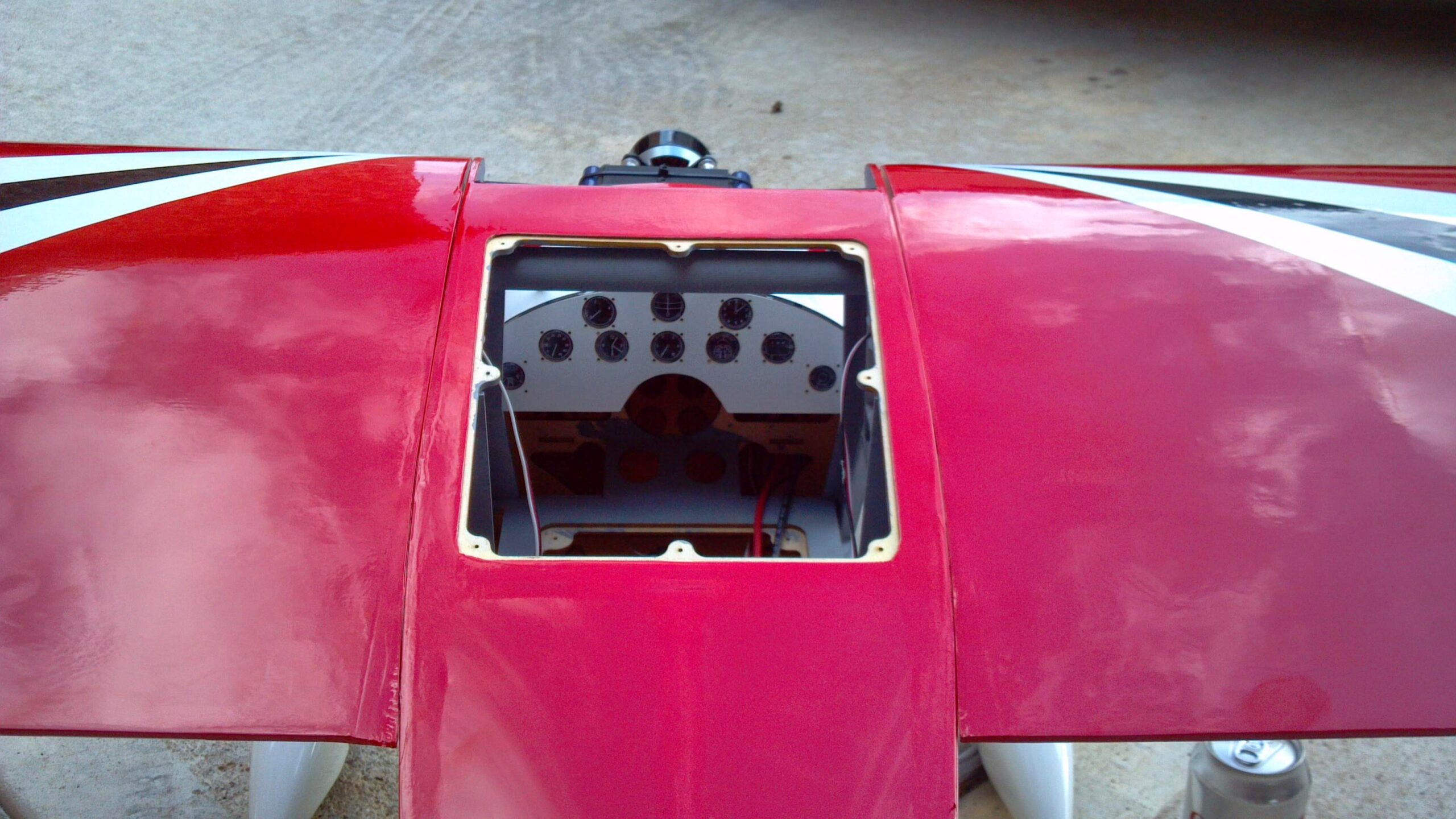
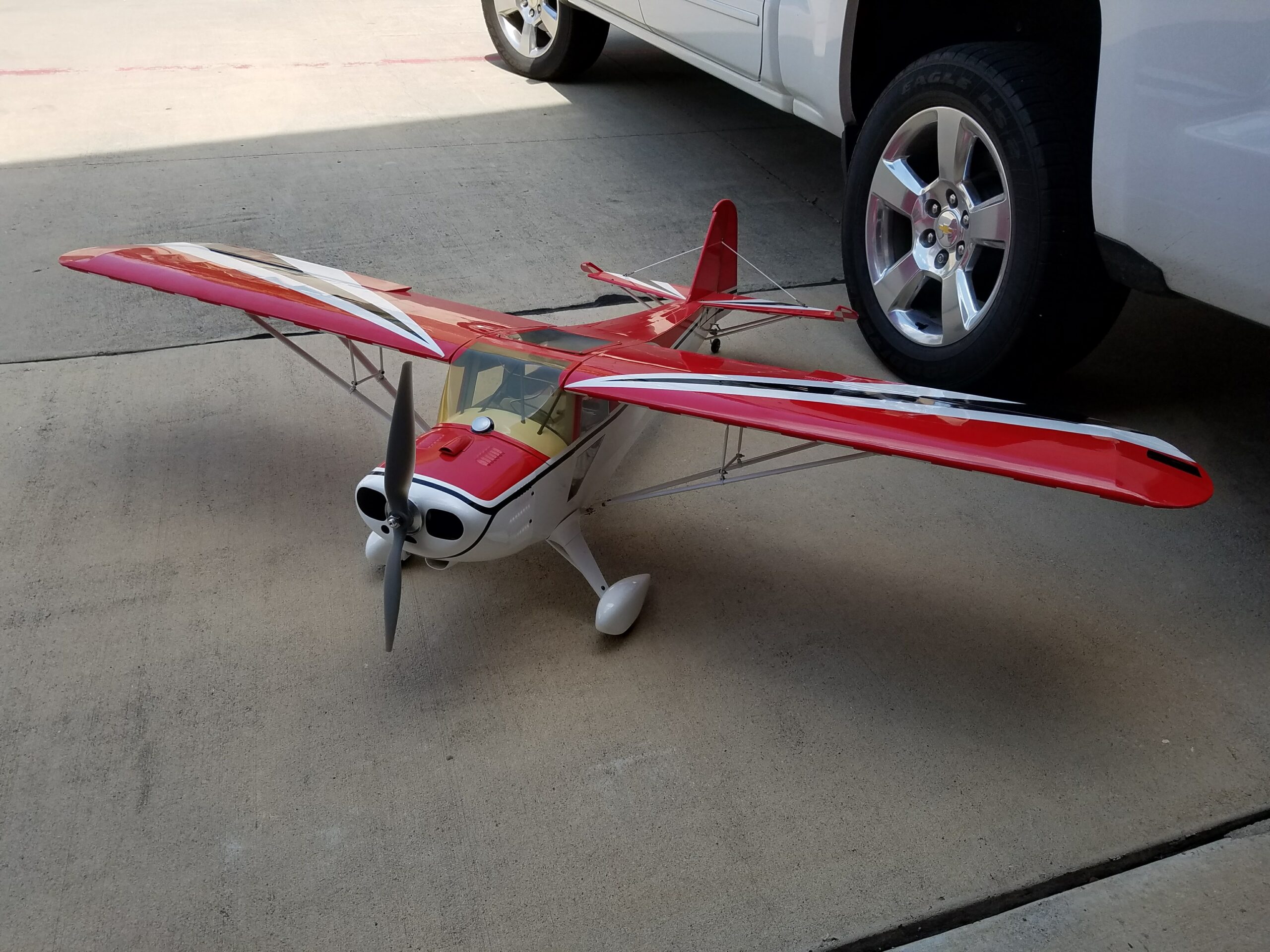
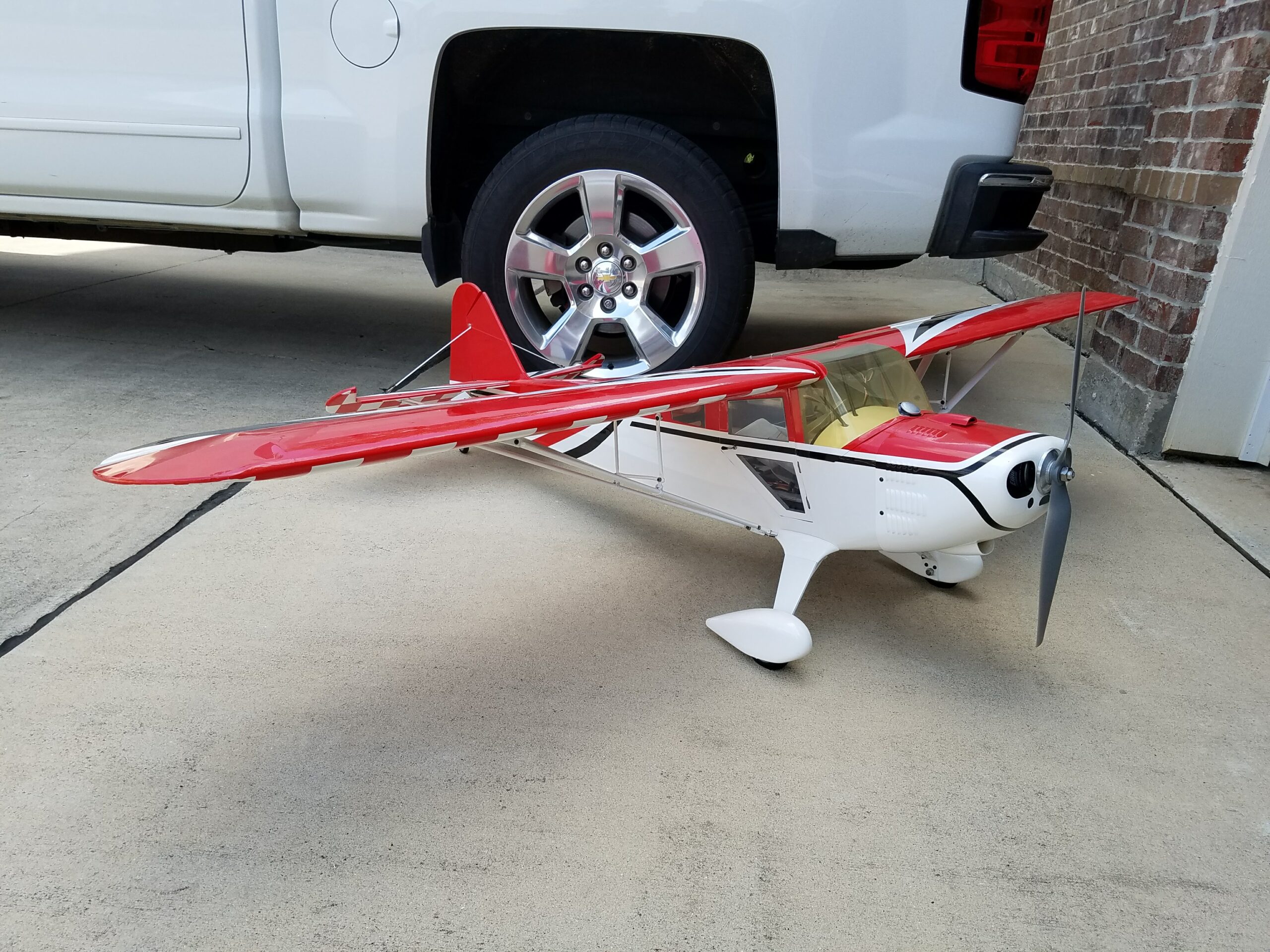
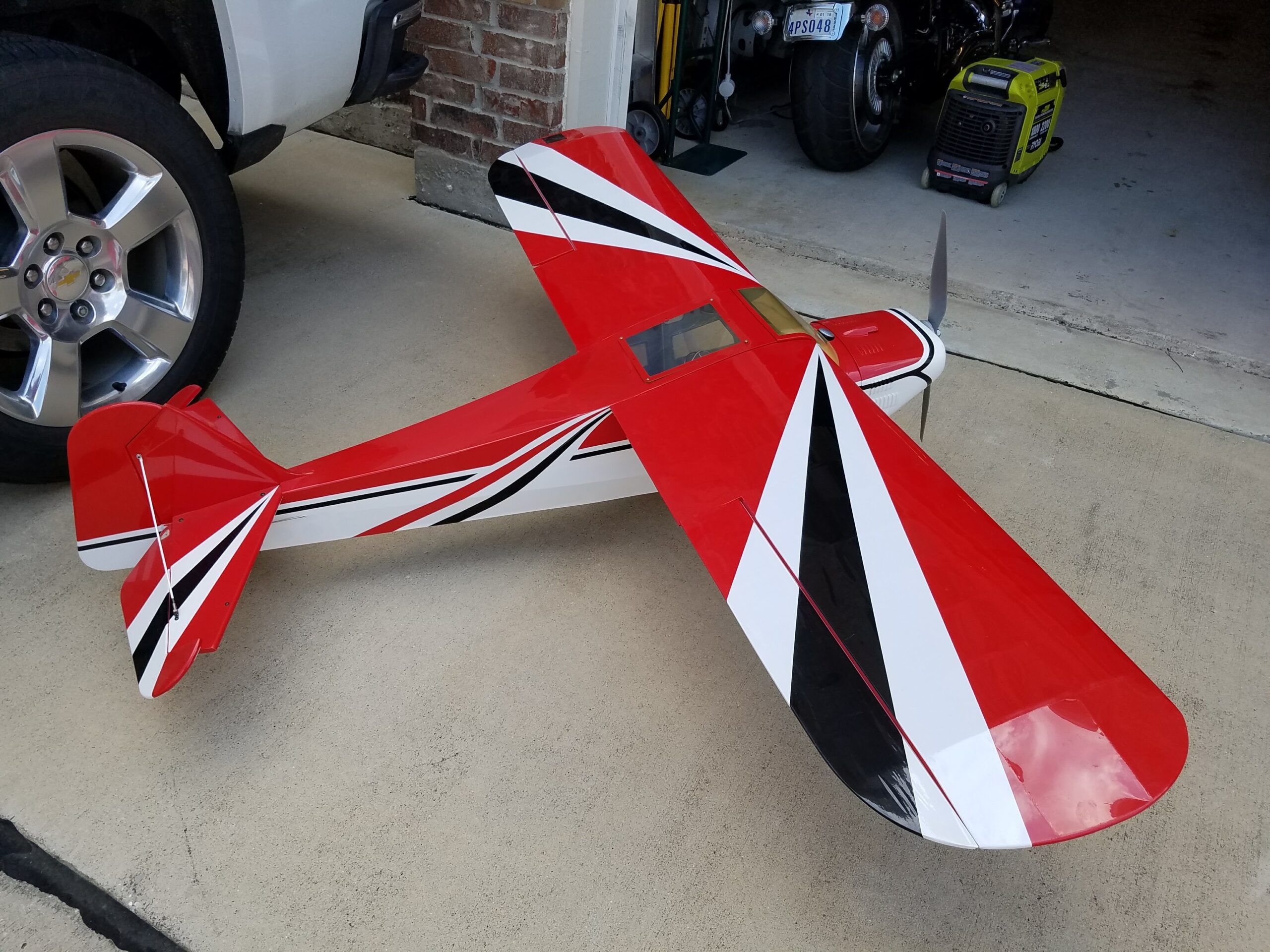
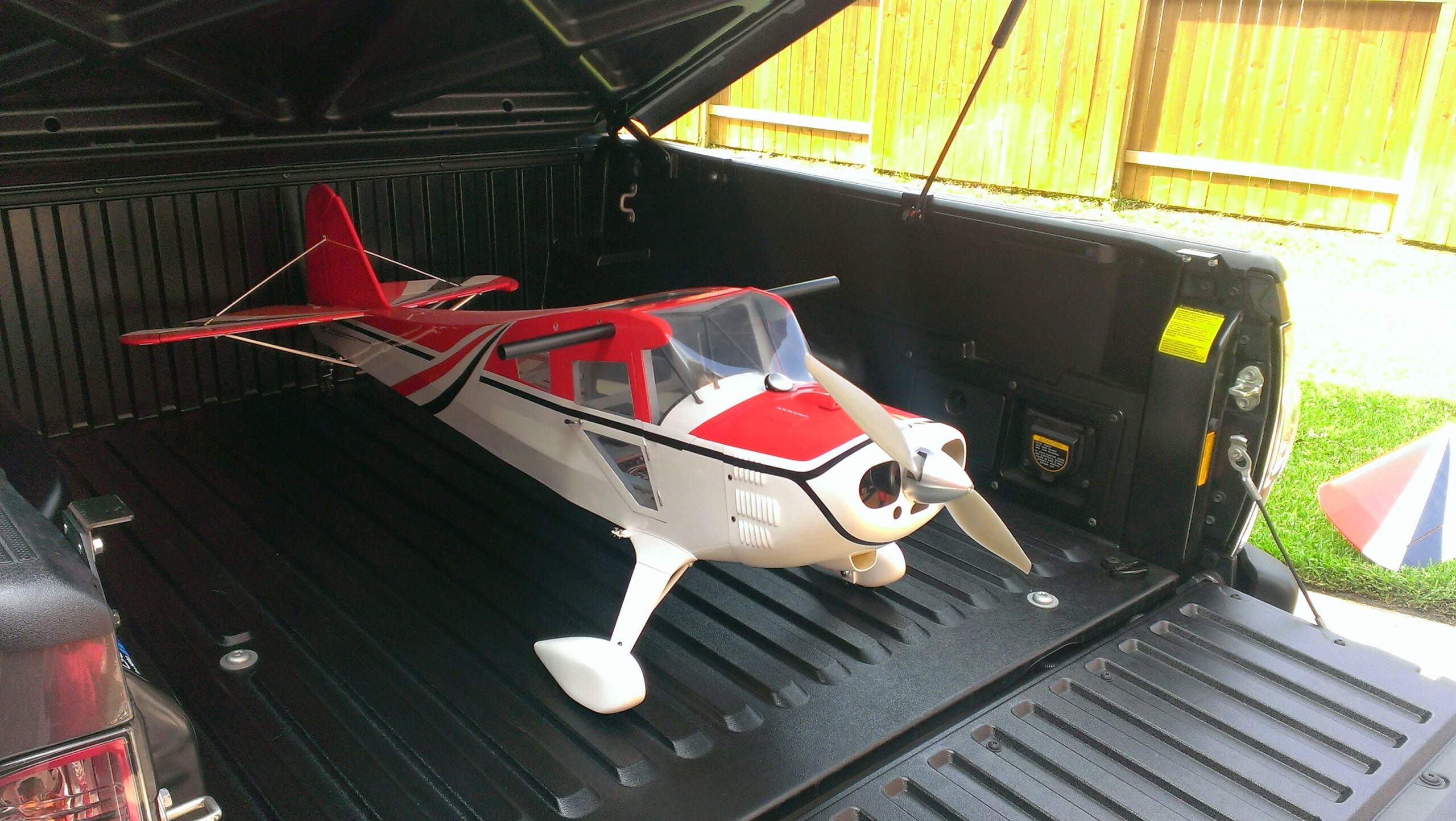
Click any photograph to open the full-size viewer. Use the arrows or your keyboard to move through the gallery.
Senior Telemaster — built for nonstop cross-country flight
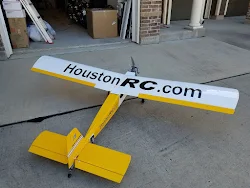
The Senior Telemaster is the large, 94-inch member of the classic Telemaster family. The design began in Germany and was later sold in the United States by Hobby Lobby International. Its high wing, light loading, docile handling and ability to carry useful weight made it an unusually good platform for a cross-country challenge.
In this event, a driver, navigator and pilot traveled together by pickup truck. The pilot sat in the back while the airplane was flown from one predetermined airfield to the next. The normal strategy was to land at each stop, refuel, recharge and launch again, while trying to finish as close as possible to a previously established target time.
I misunderstood that part of the competition. Instead of planning a sequence of short legs, I engineered my Senior Telemaster to make the entire route continuously. It carried enough fuel and onboard battery capacity to stay in the air for the whole flight without landing between fields. The route covered roughly 75–100 miles, and the airplane completed the challenge exactly as I had built it to do.
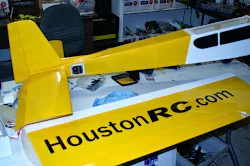
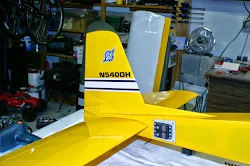
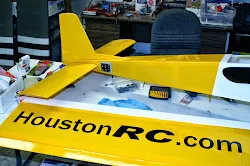
We finished in second place because the scoring rewarded matching the target time—not simply remaining airborne nonstop. Even so, the airplane did something much more ambitious than the rules required. These photographs document the airplane, its endurance preparation, the crew, field operation and the memory of following a Senior Telemaster across the countryside from the back of a pickup truck.
Senior Telemaster project photographs
The selected archive photographs are gathered here as the beginning of the full cross-country project story.
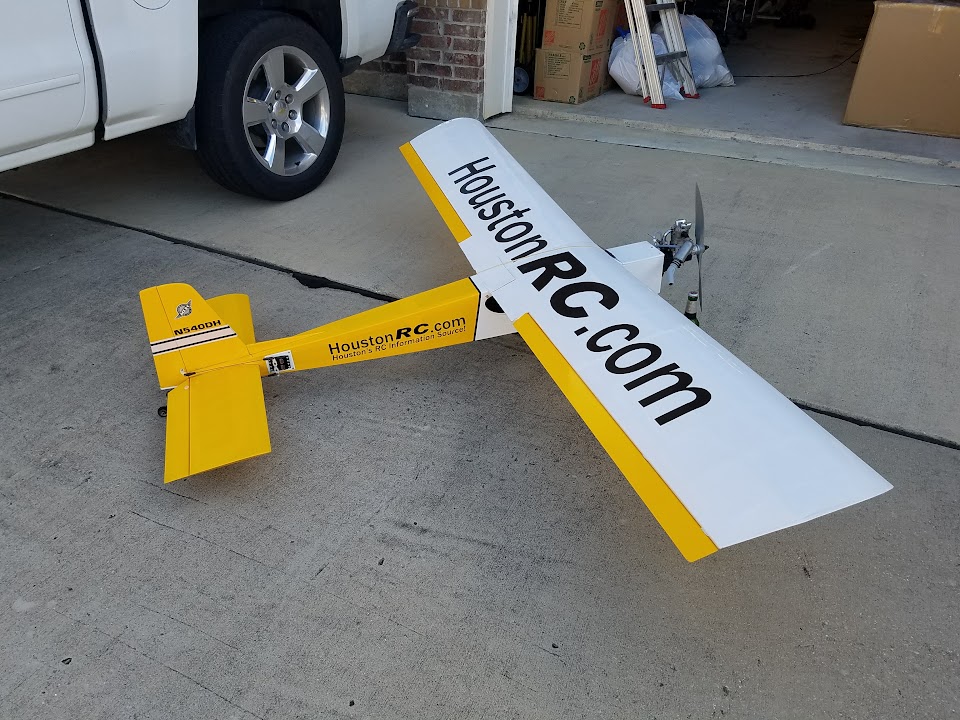
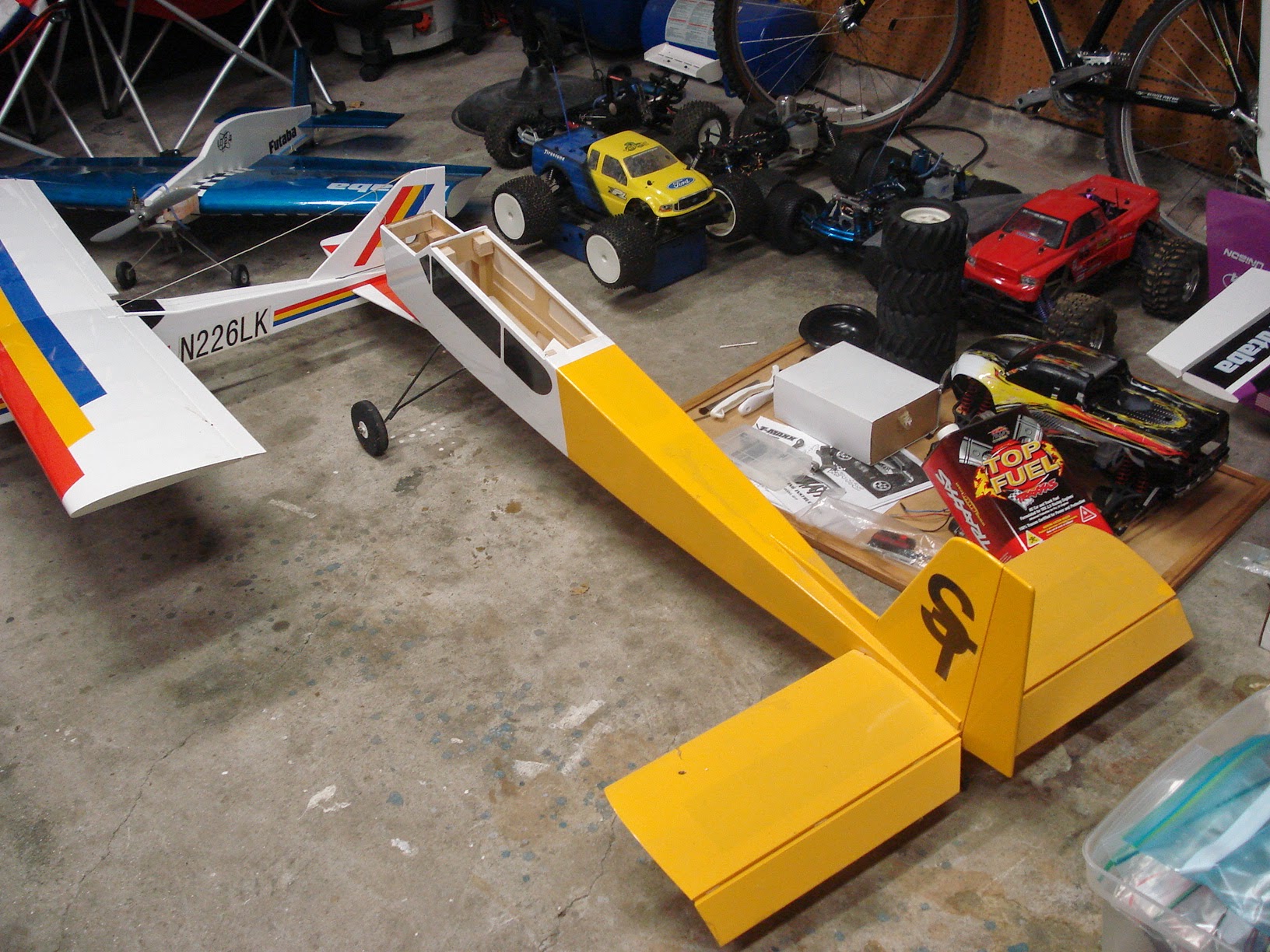
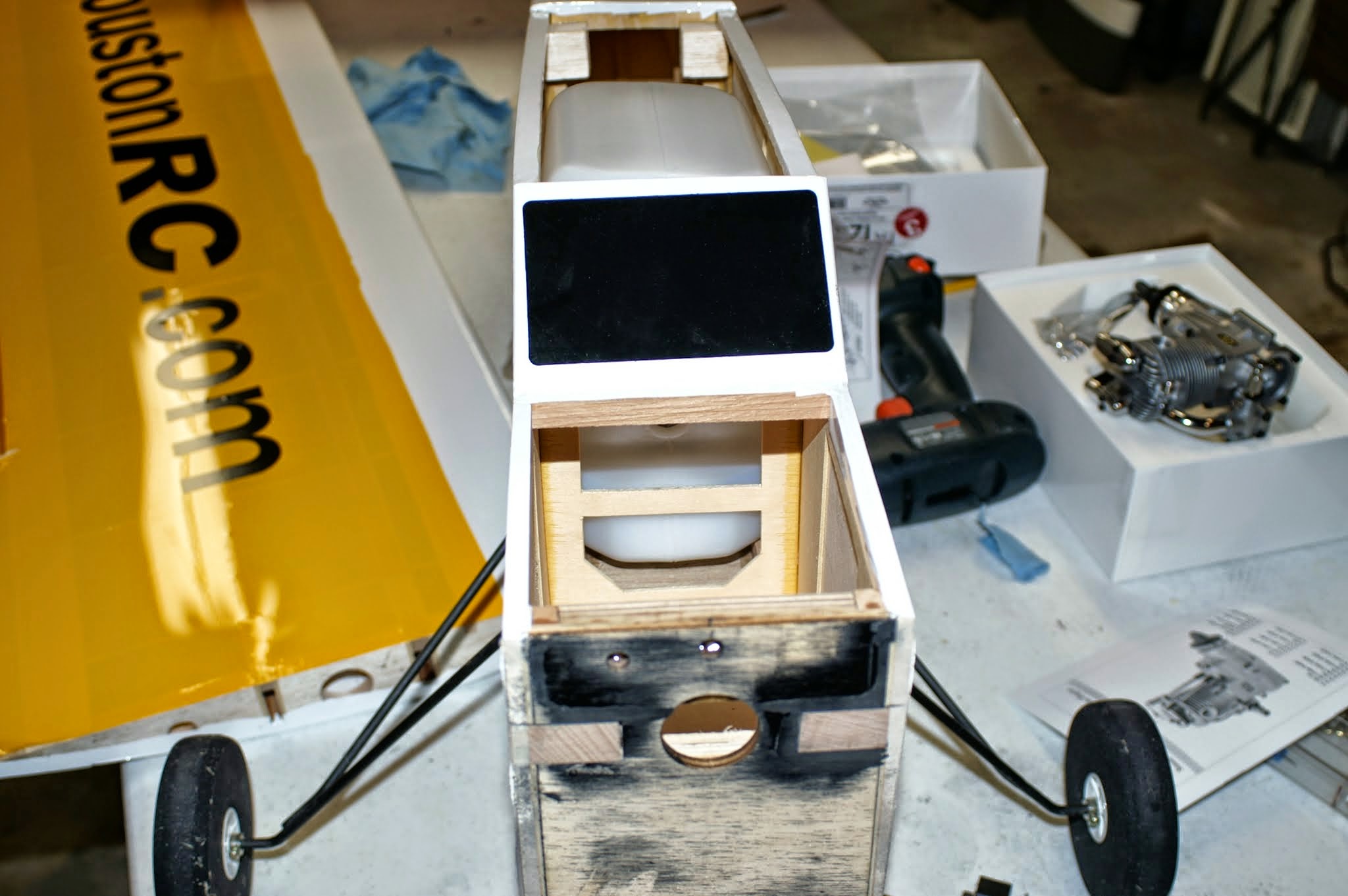
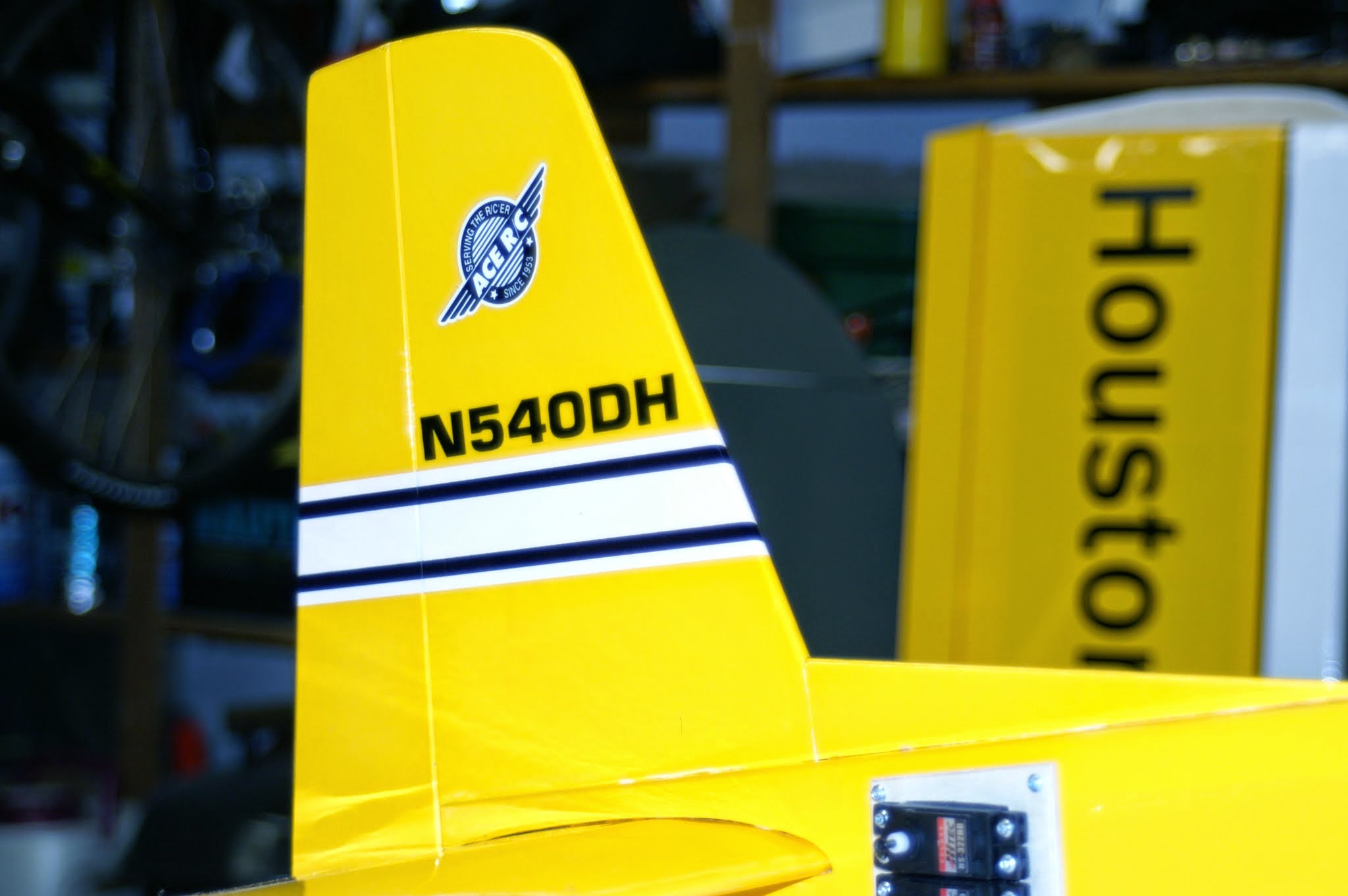
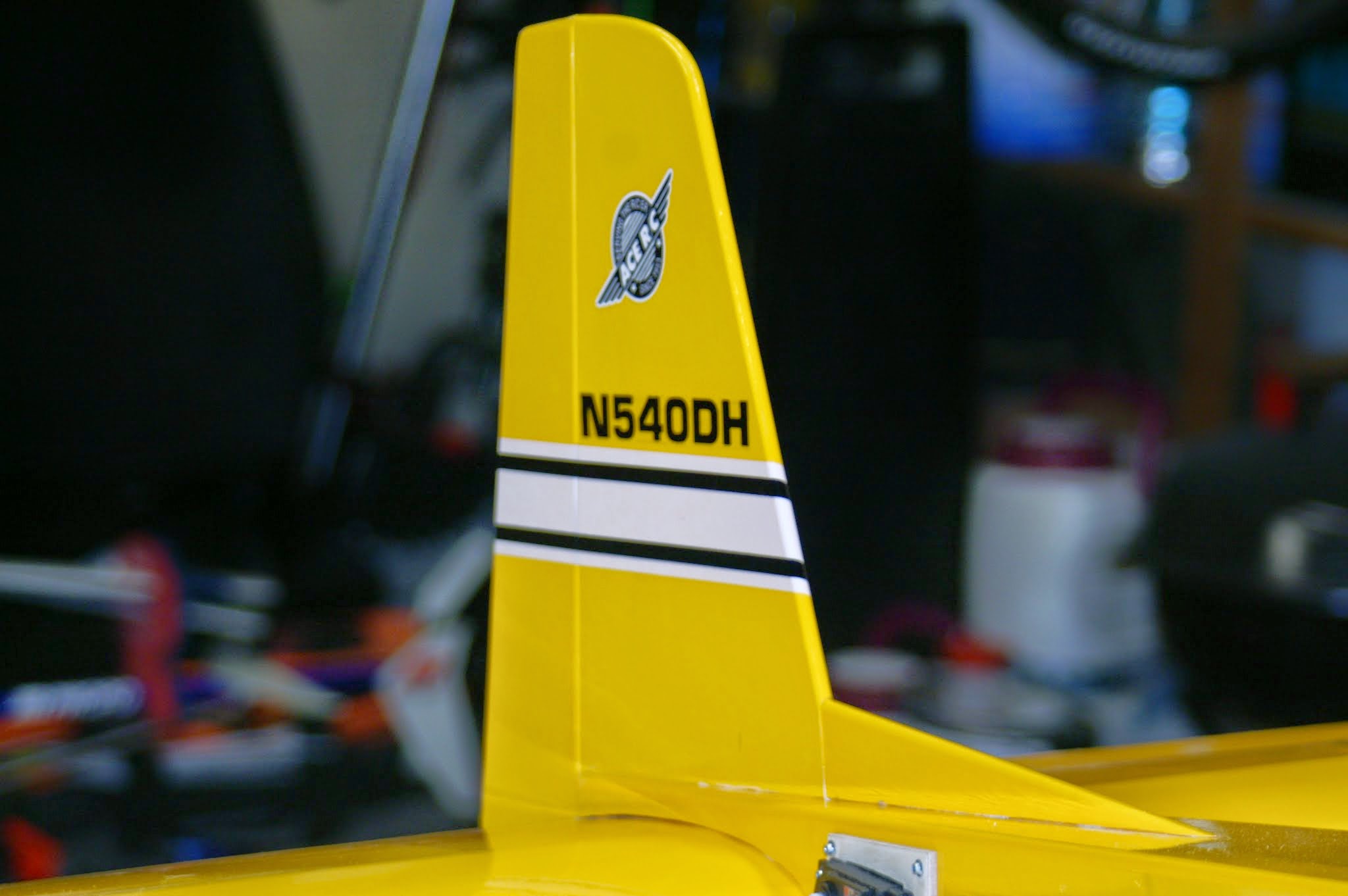
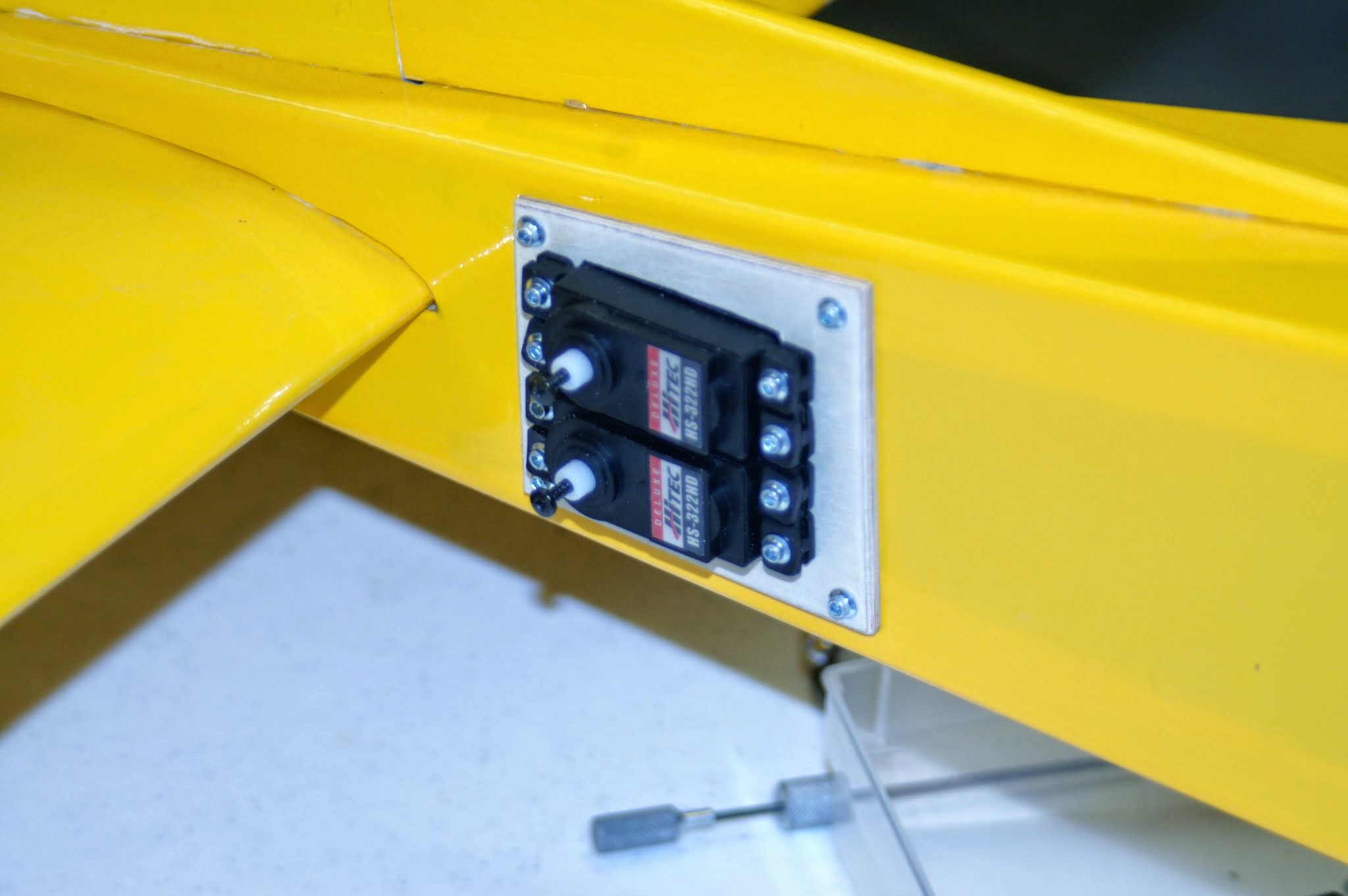
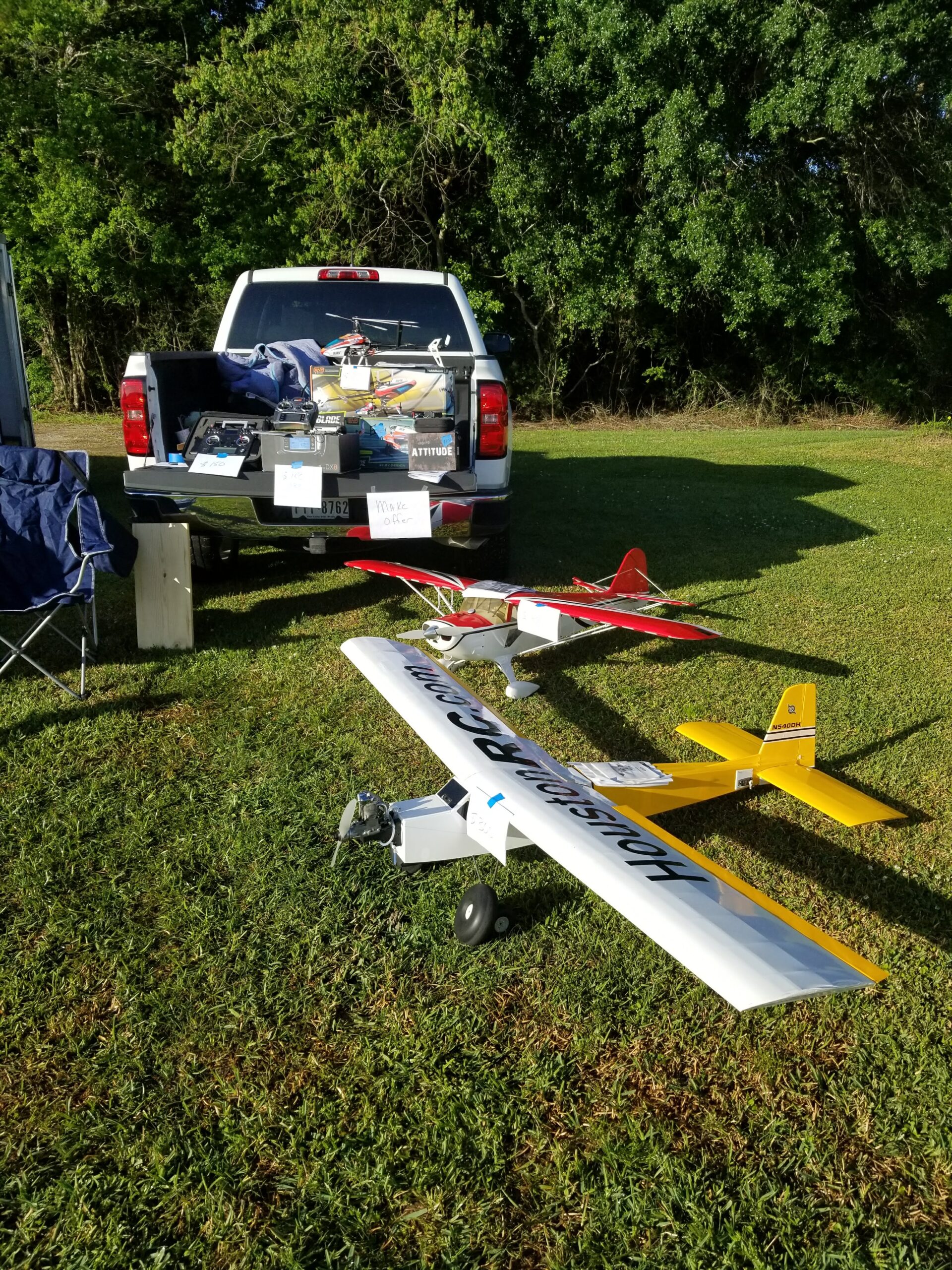
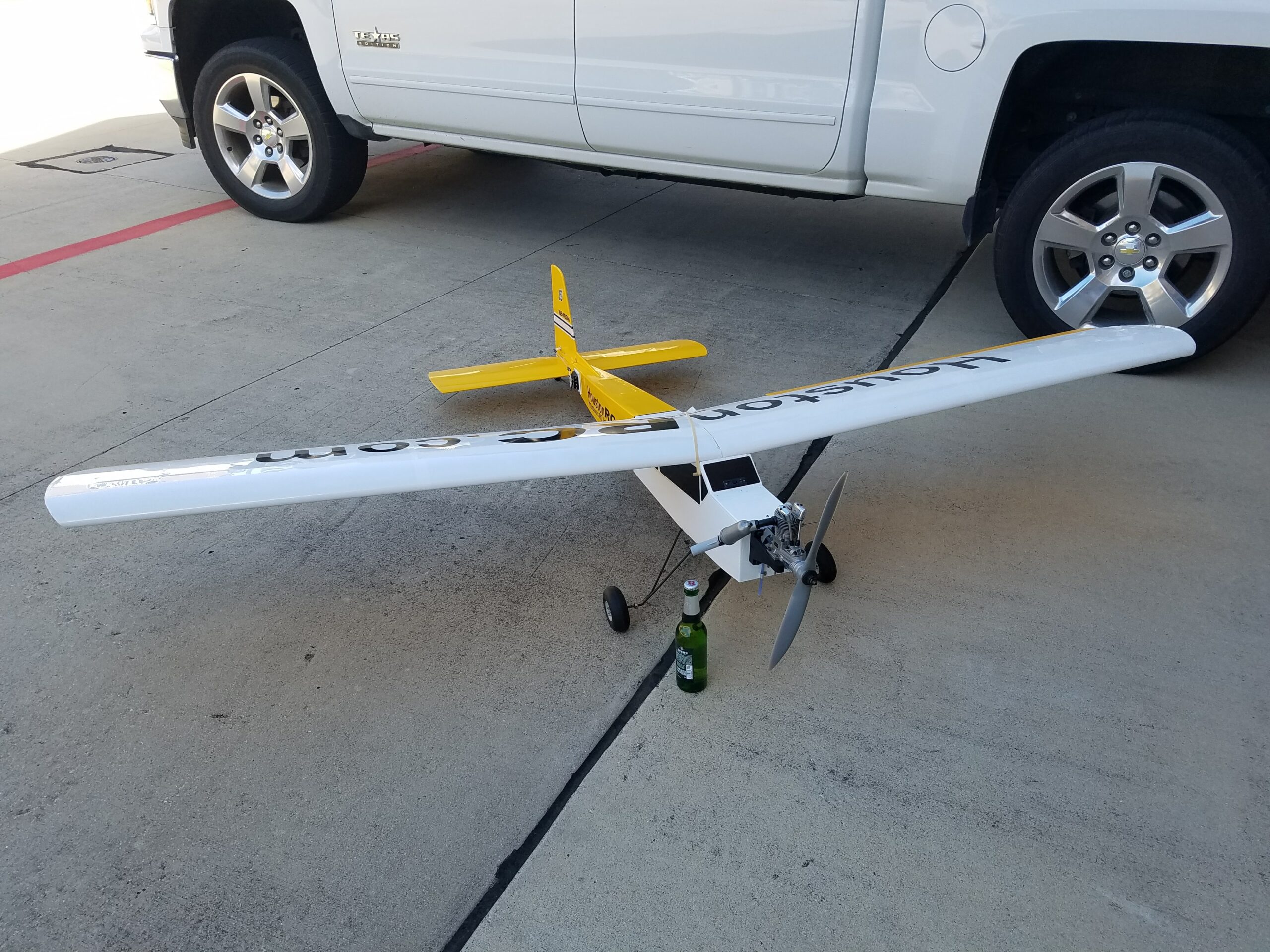
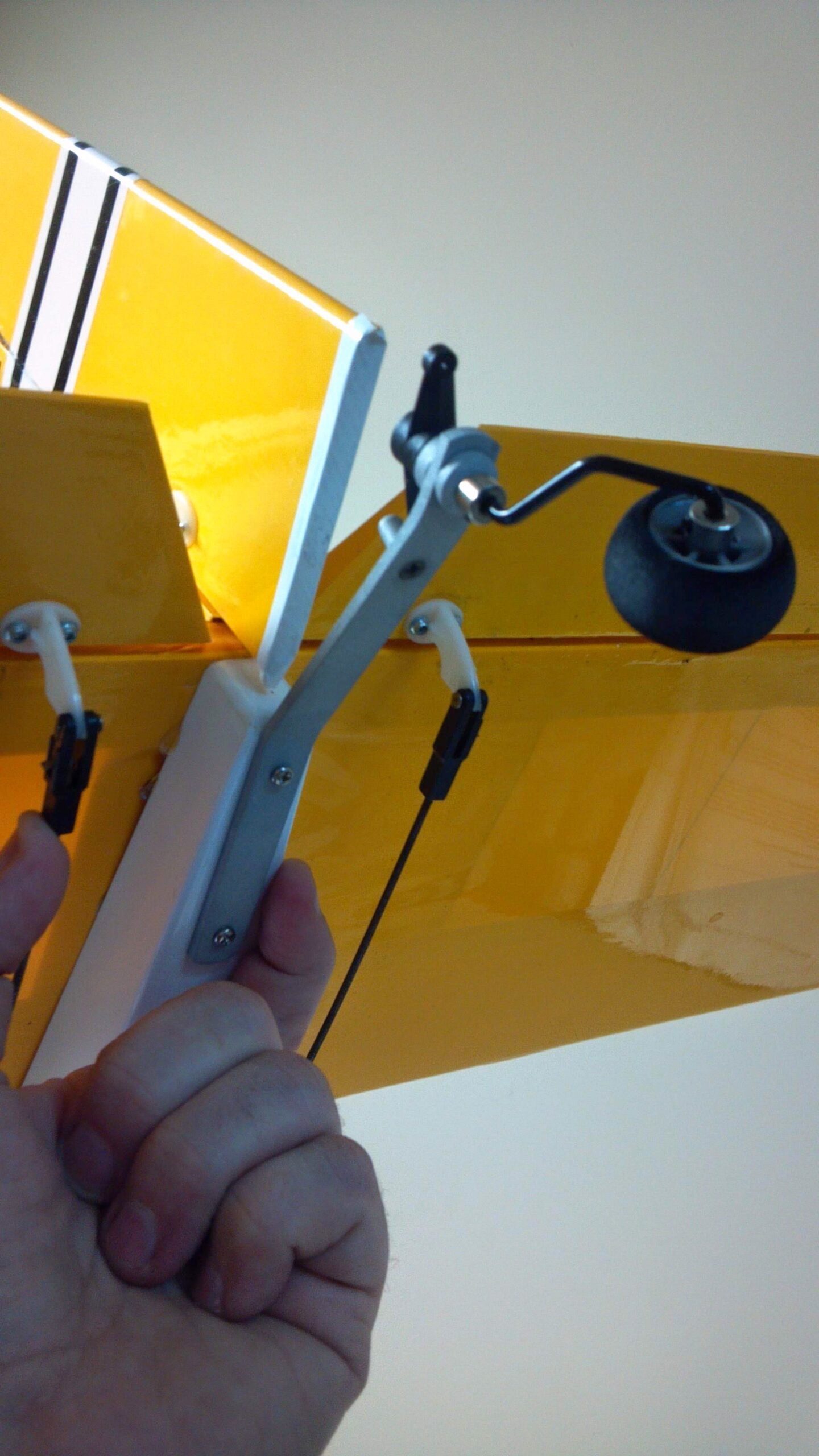
Click any photograph to open the full-size viewer. Use the arrows or your keyboard to move through the gallery.
Balsa USA one-third-scale Cub
This olive-green Balsa USA Cub is a true giant-scale project: a traditional built-up airframe whose size makes every part of the work more deliberate. The structure, covering, scale details, radio installation, power system, field assembly and transportation all become projects of their own.
The photographs below begin documenting the airplane and its story. This gallery will grow as more build and flying photographs are sorted from the archive.
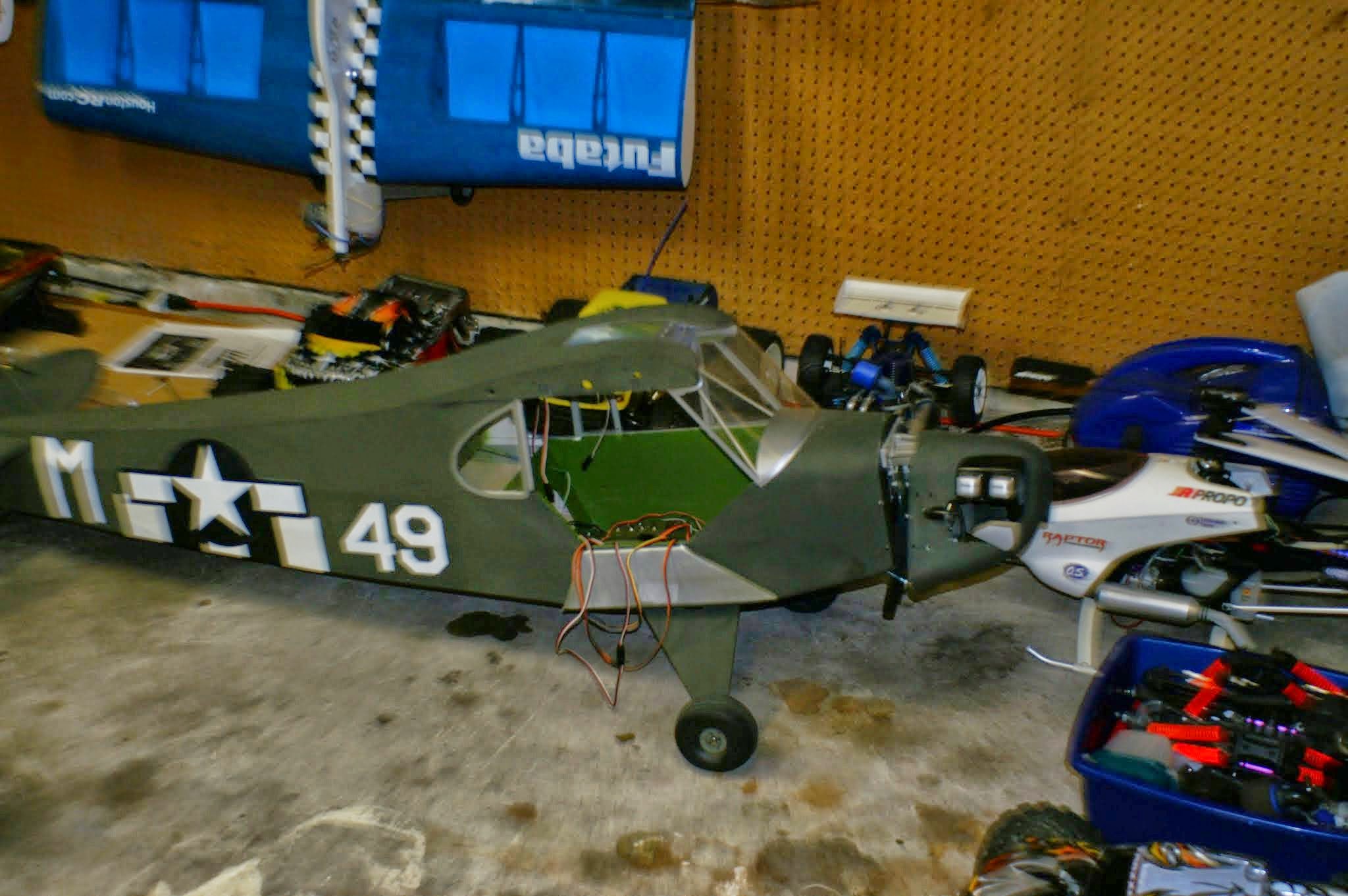
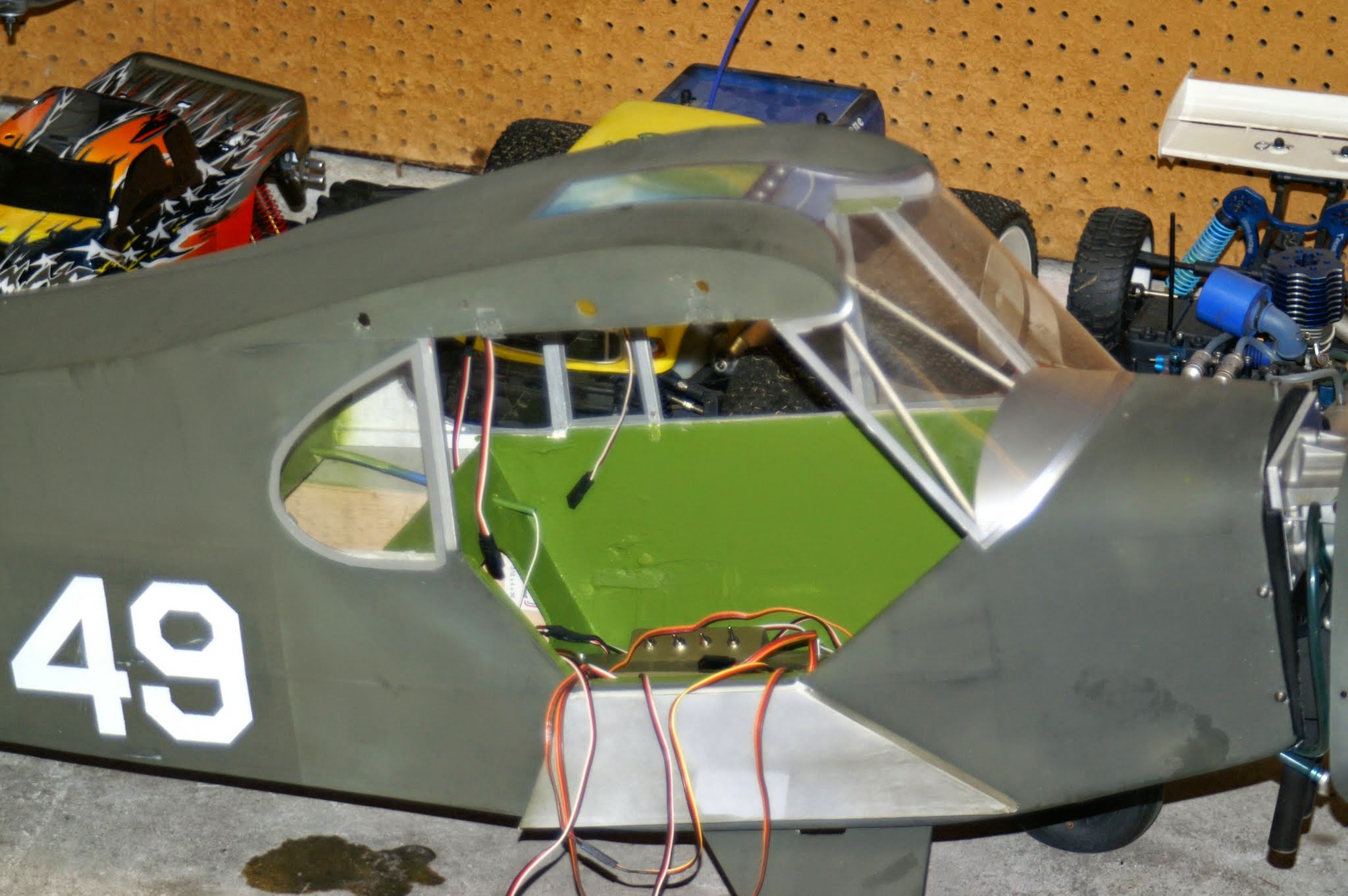
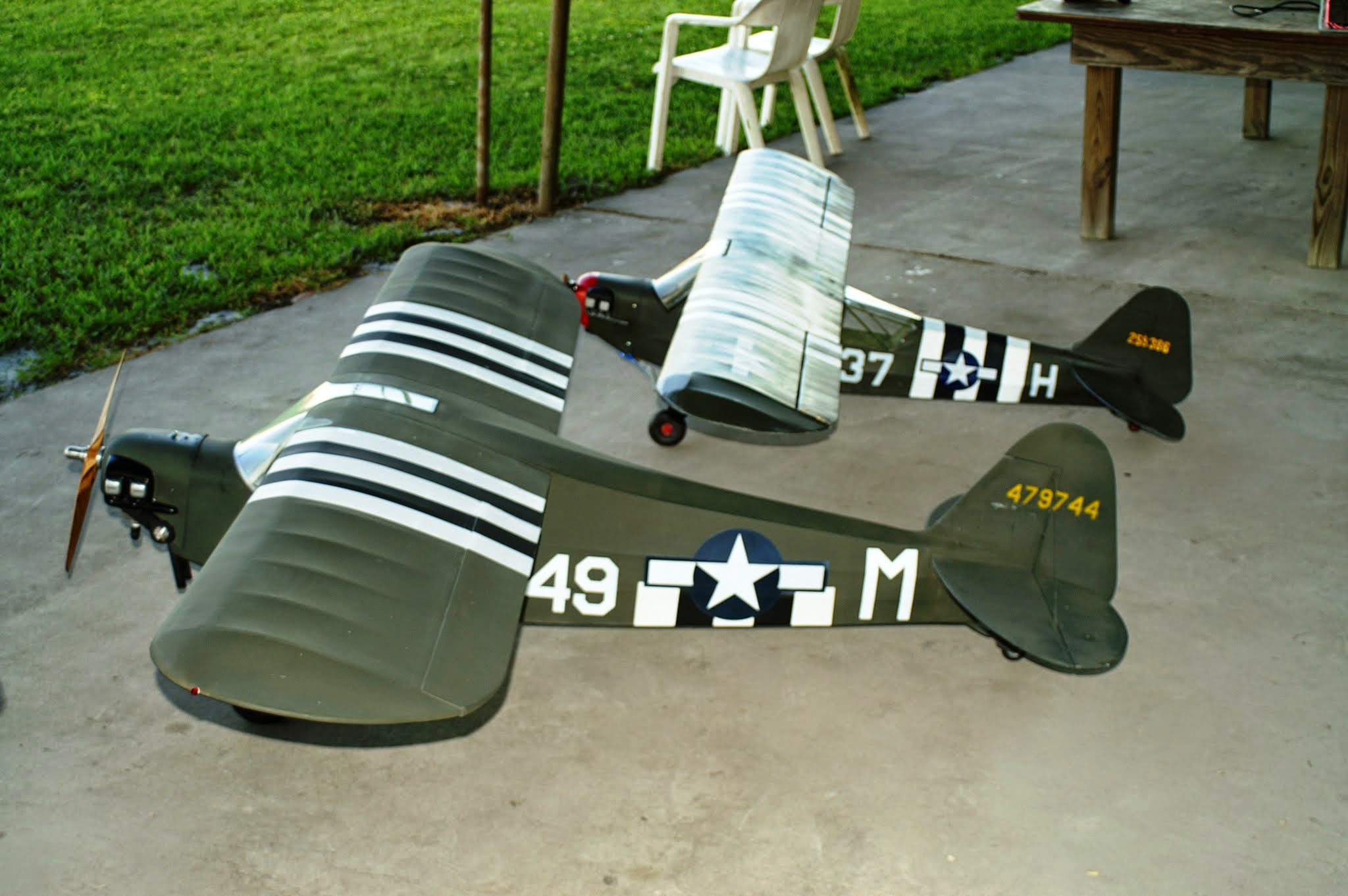
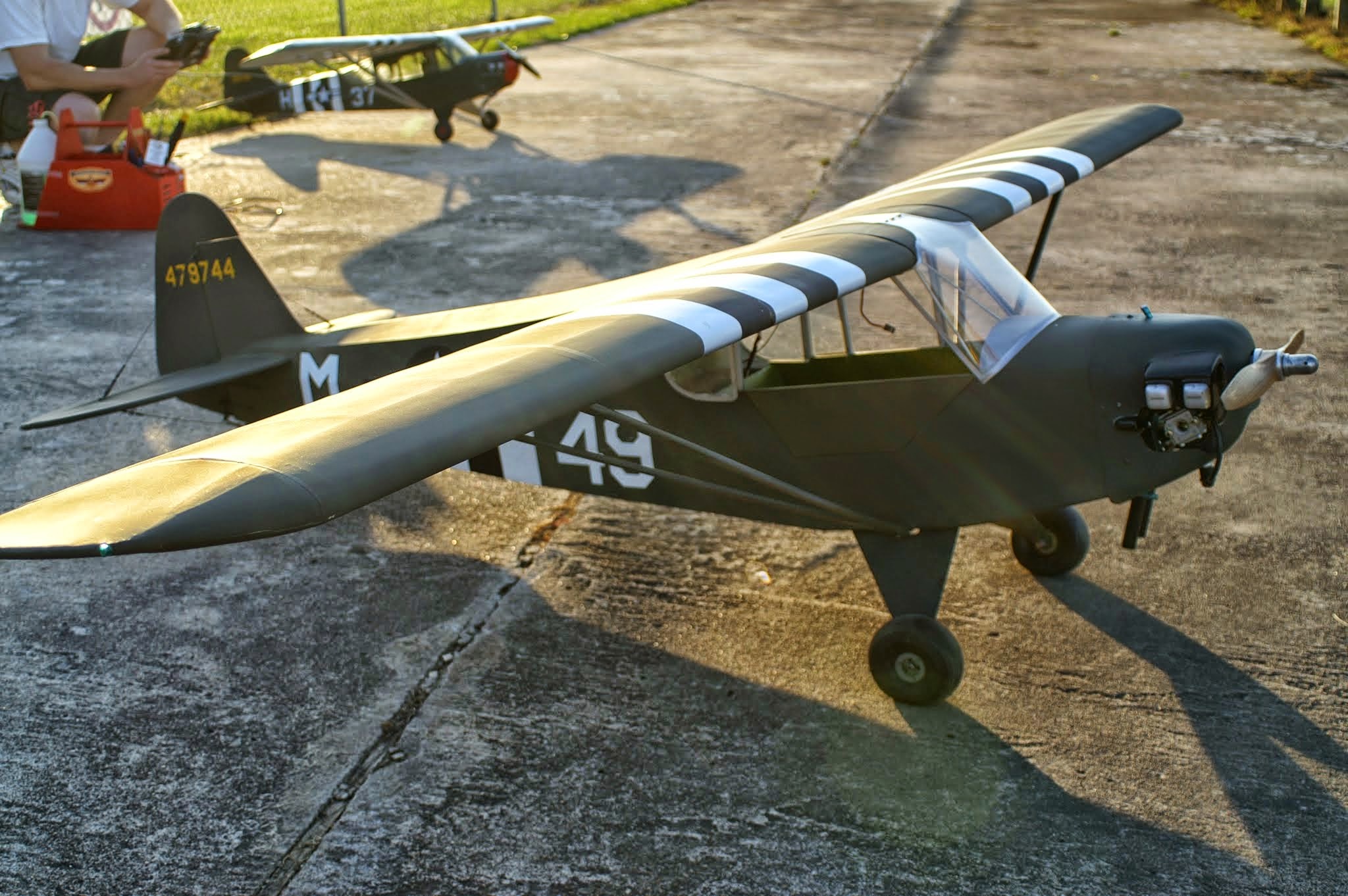
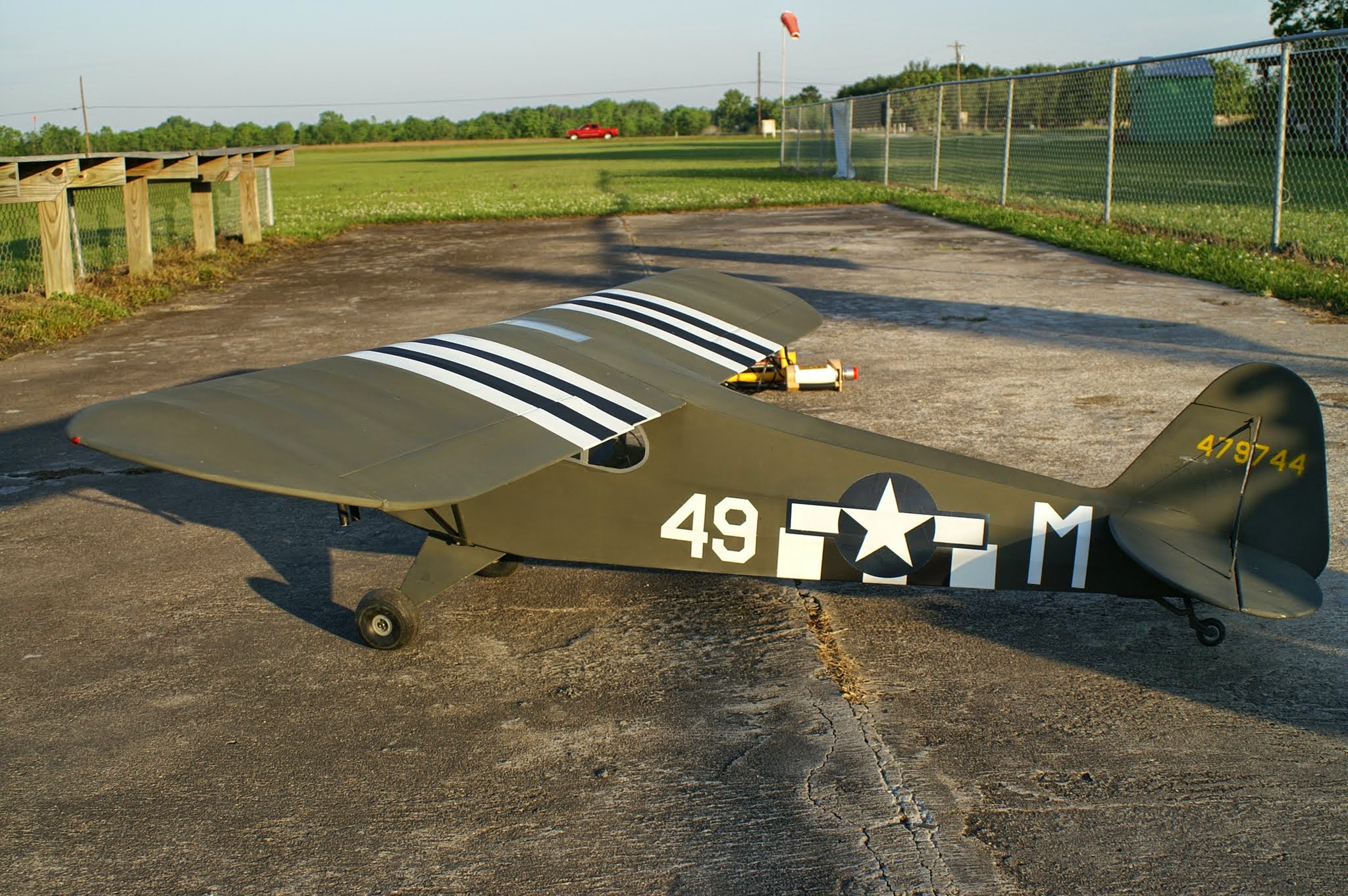
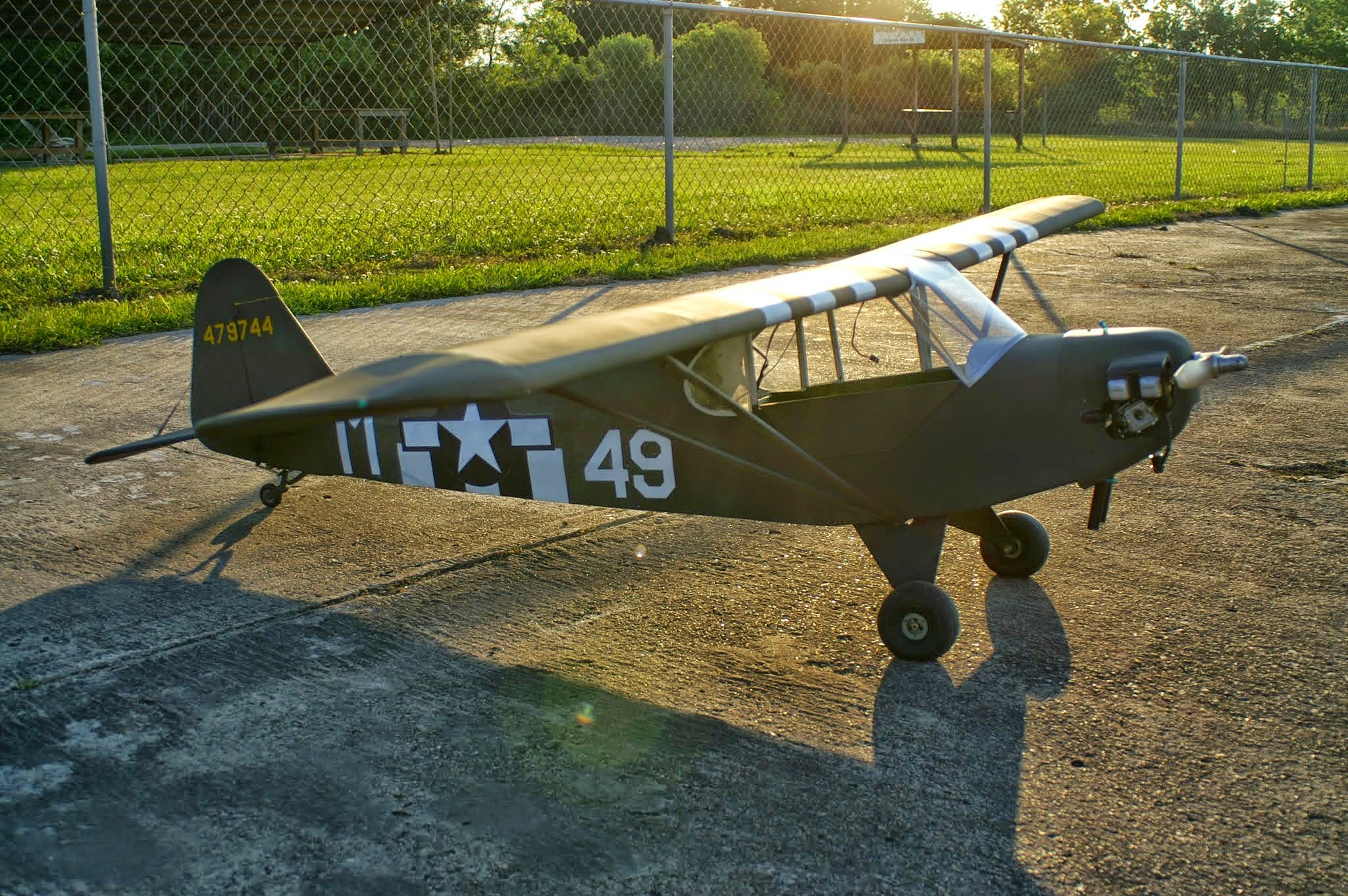
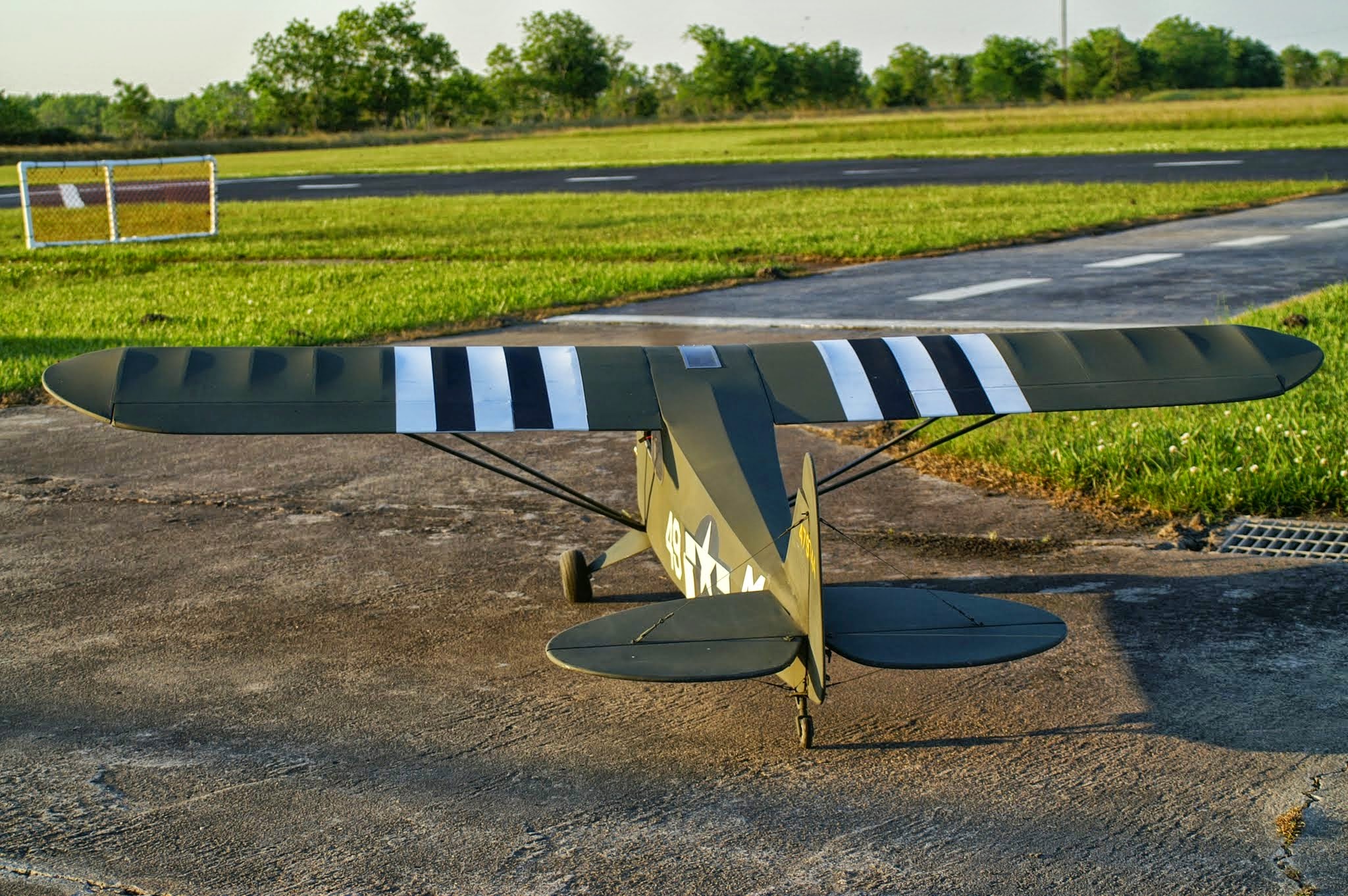
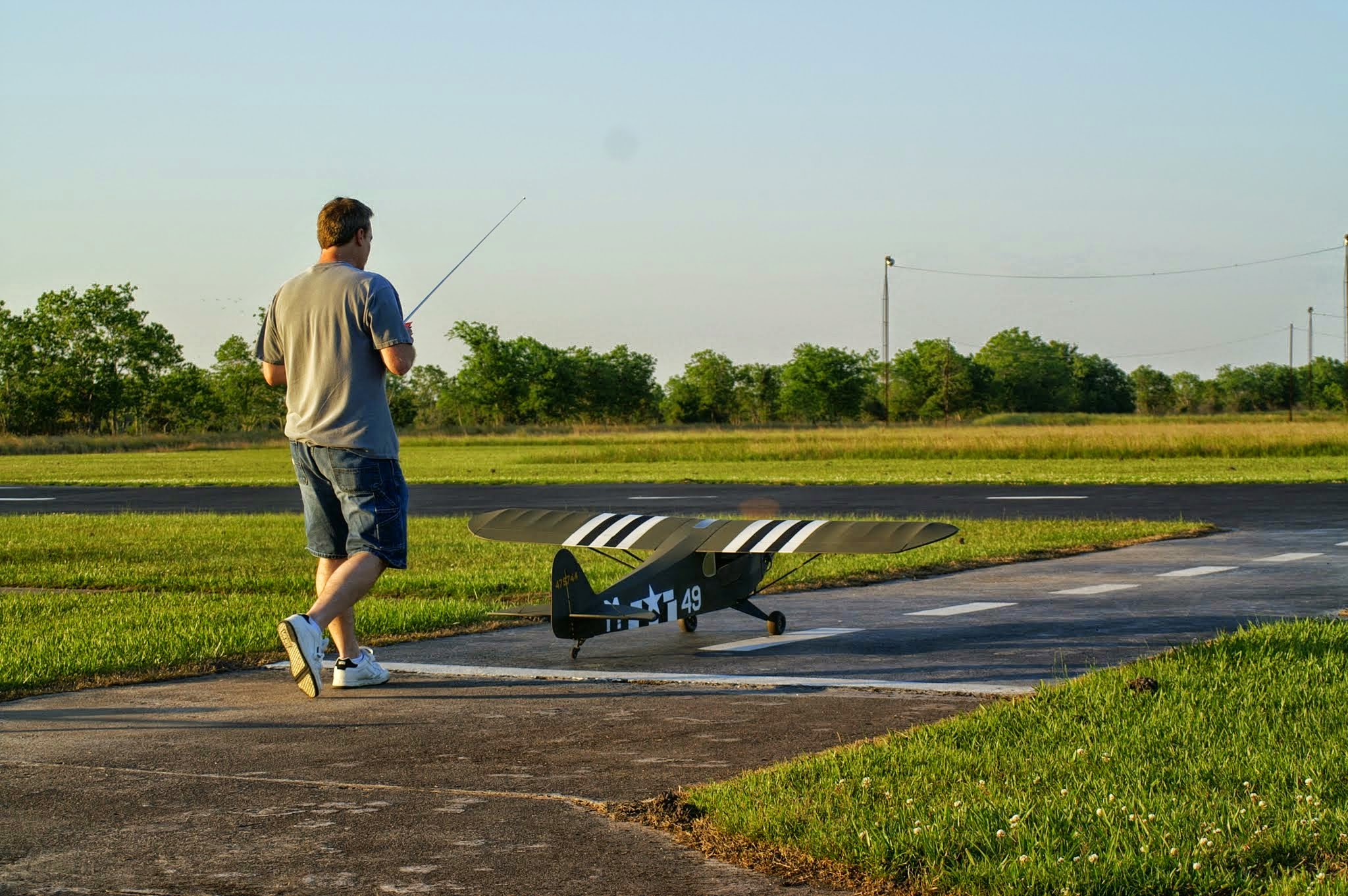
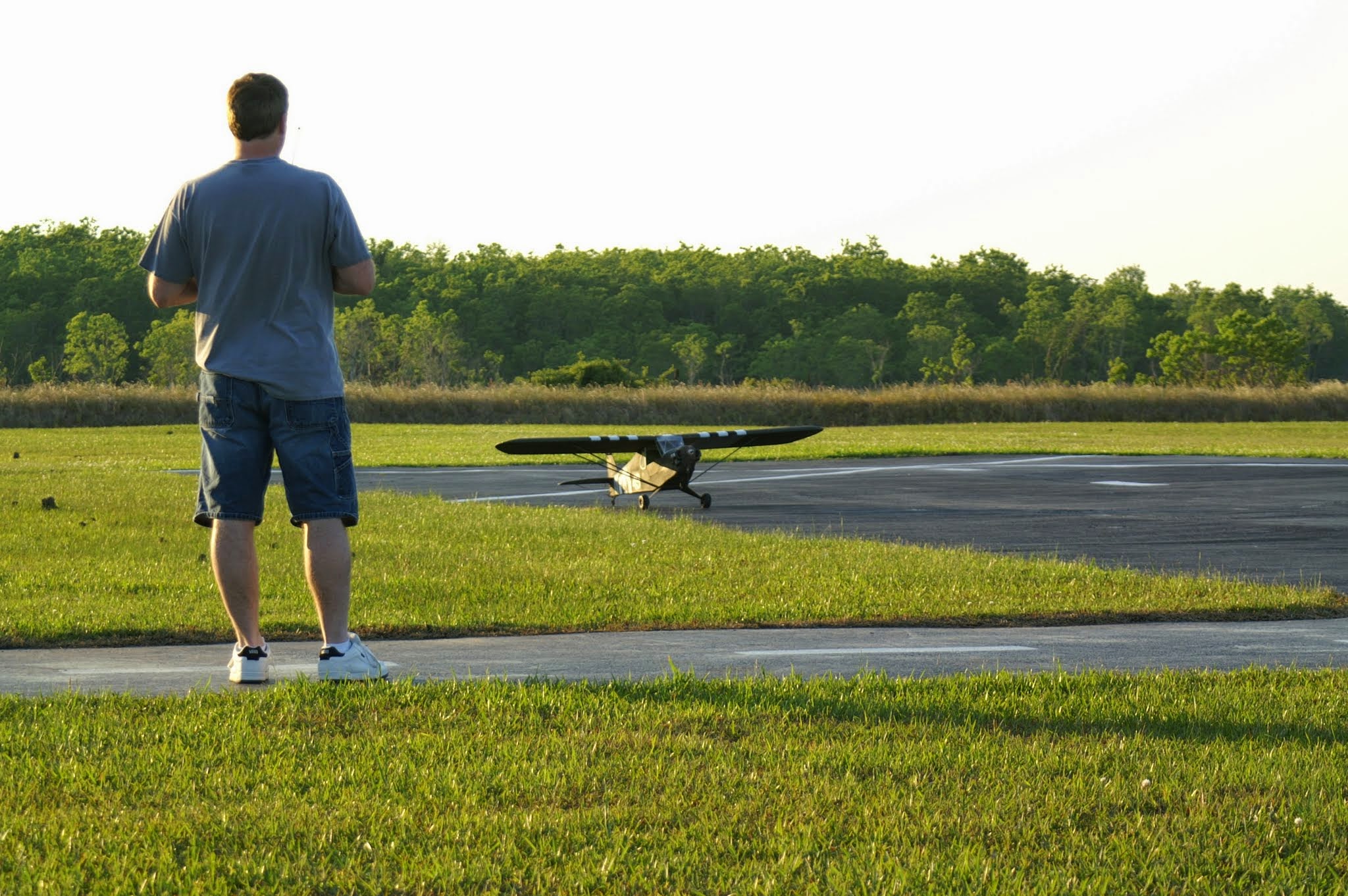
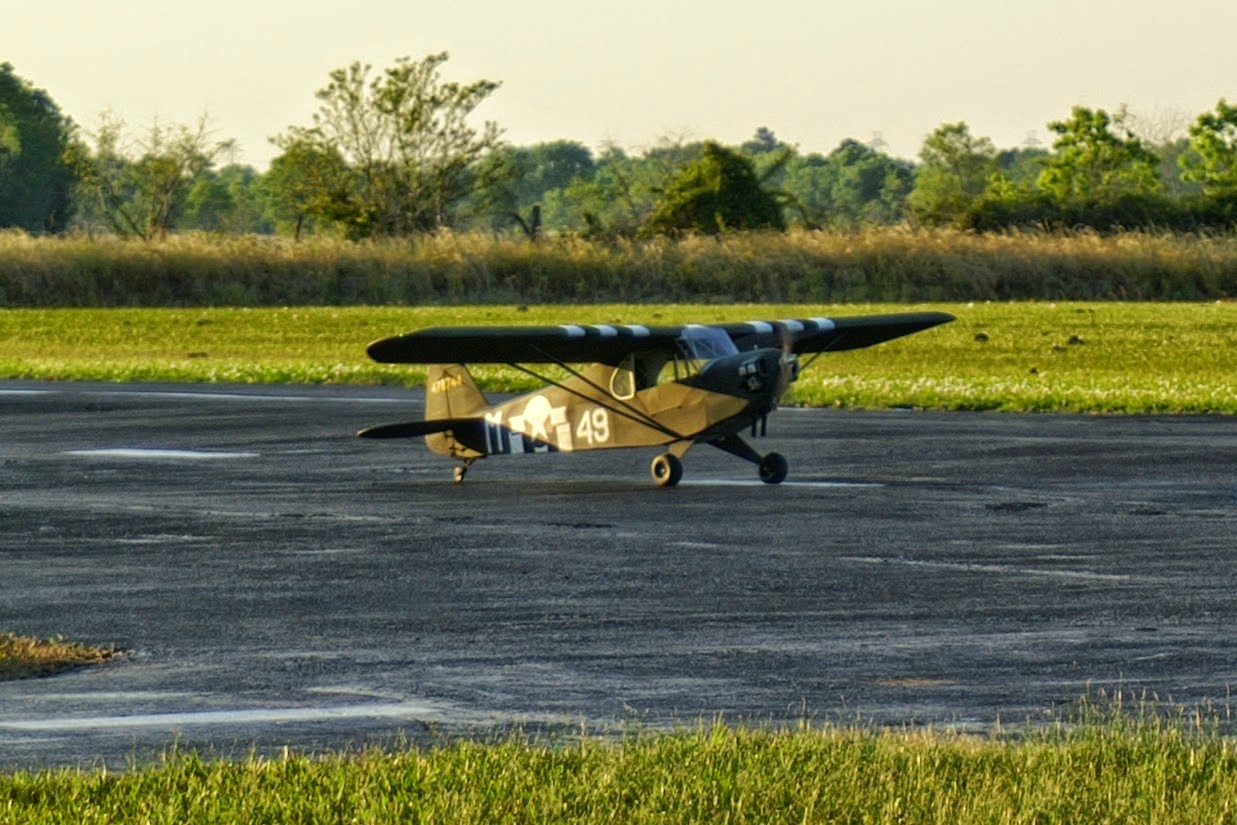
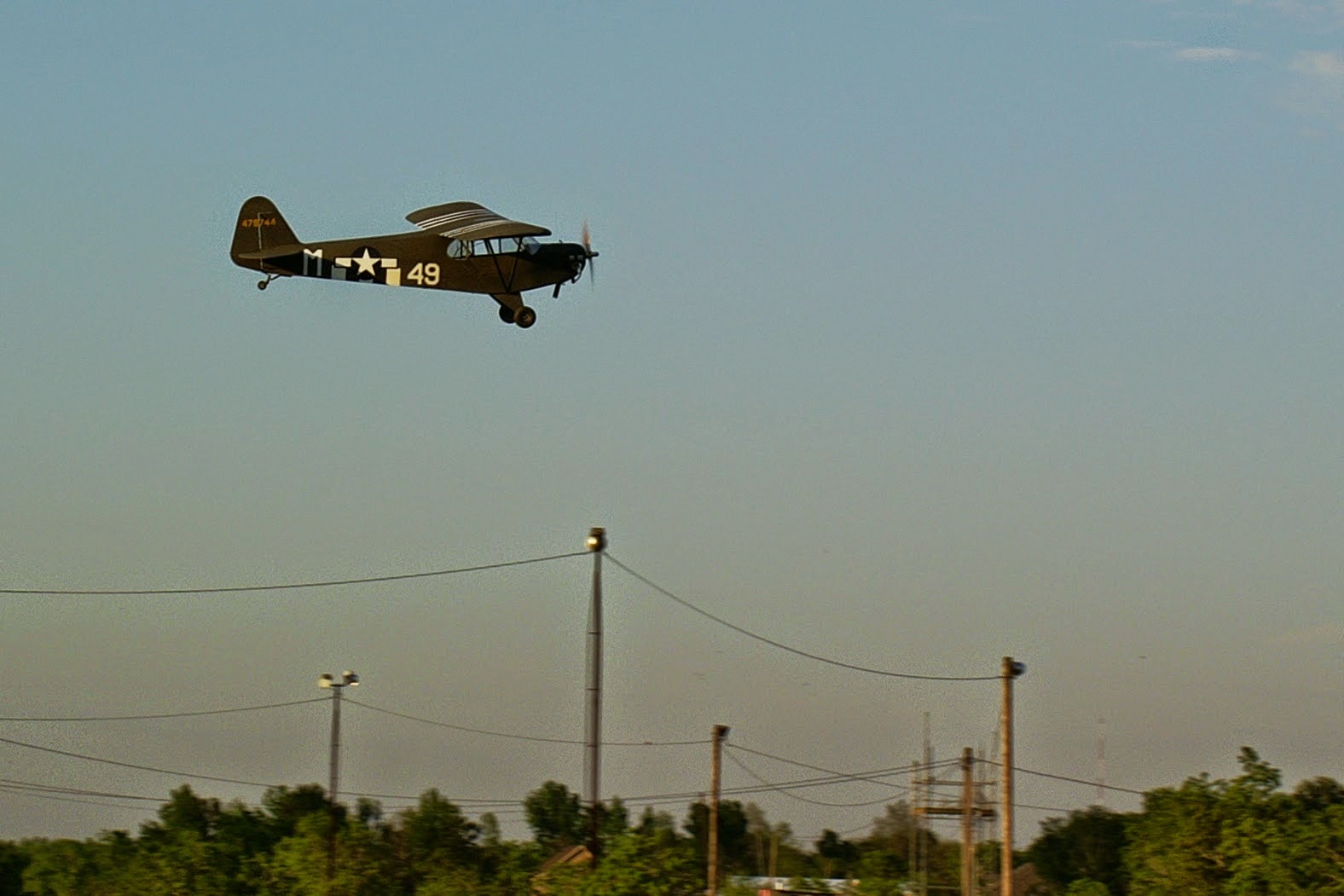
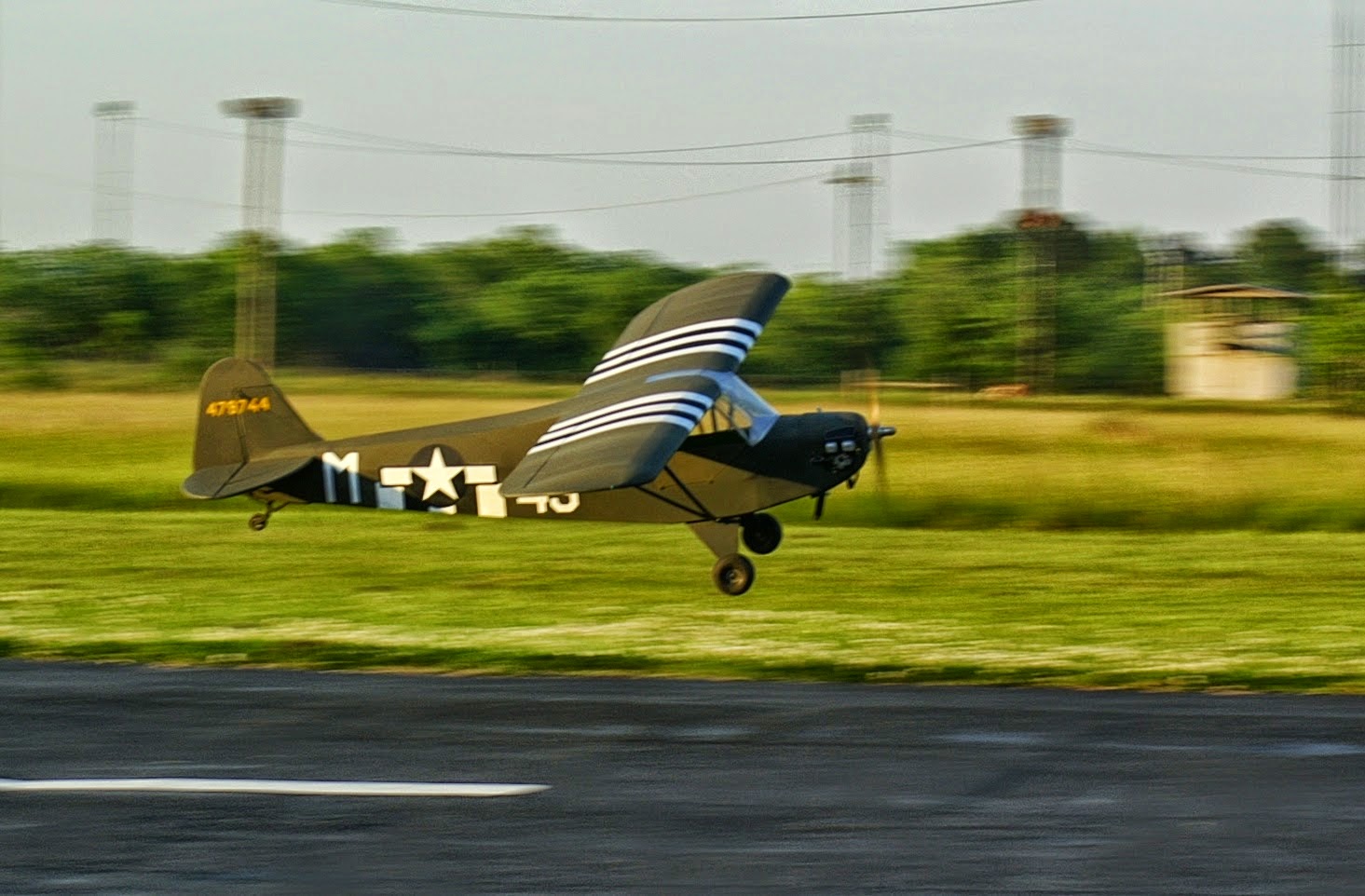
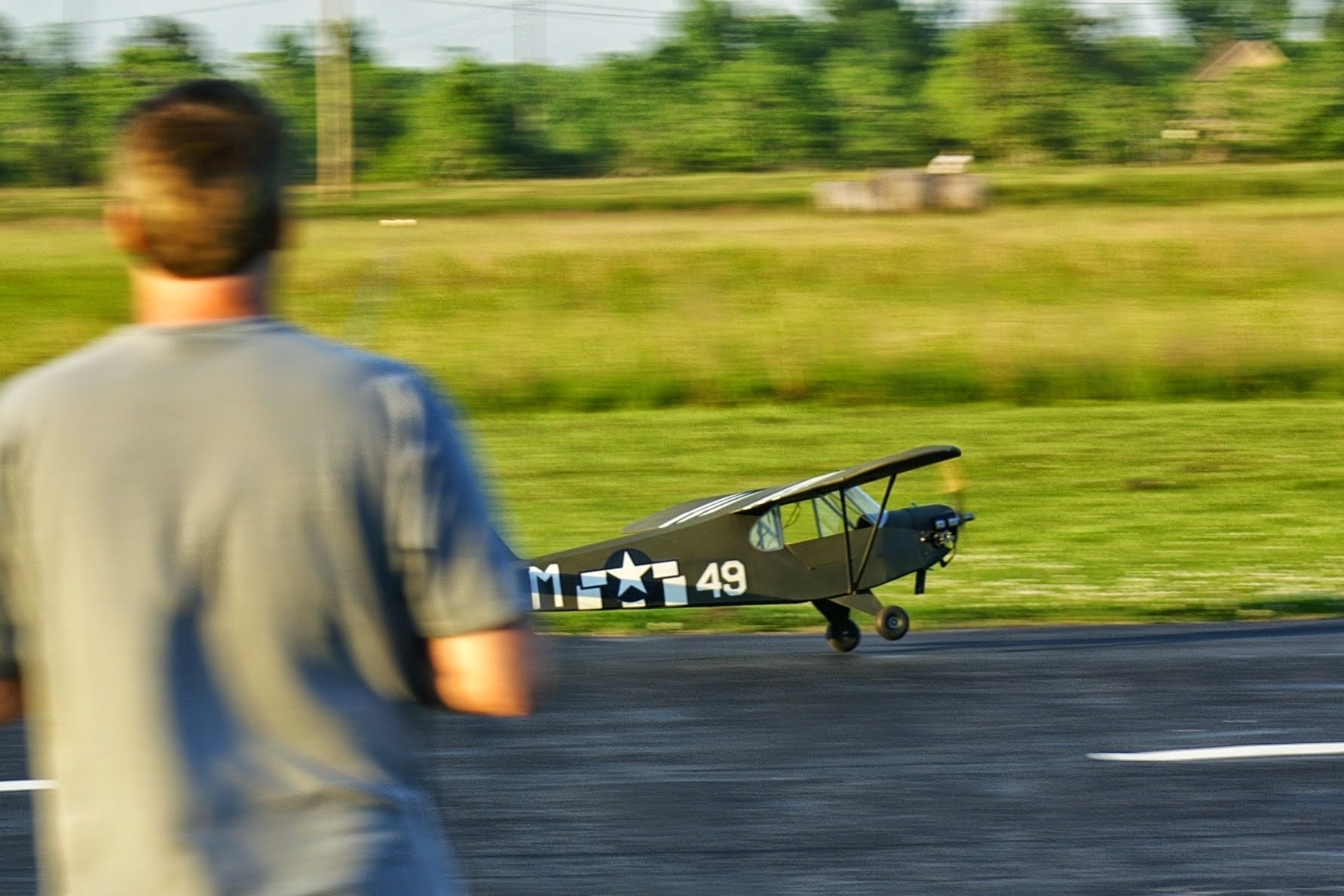
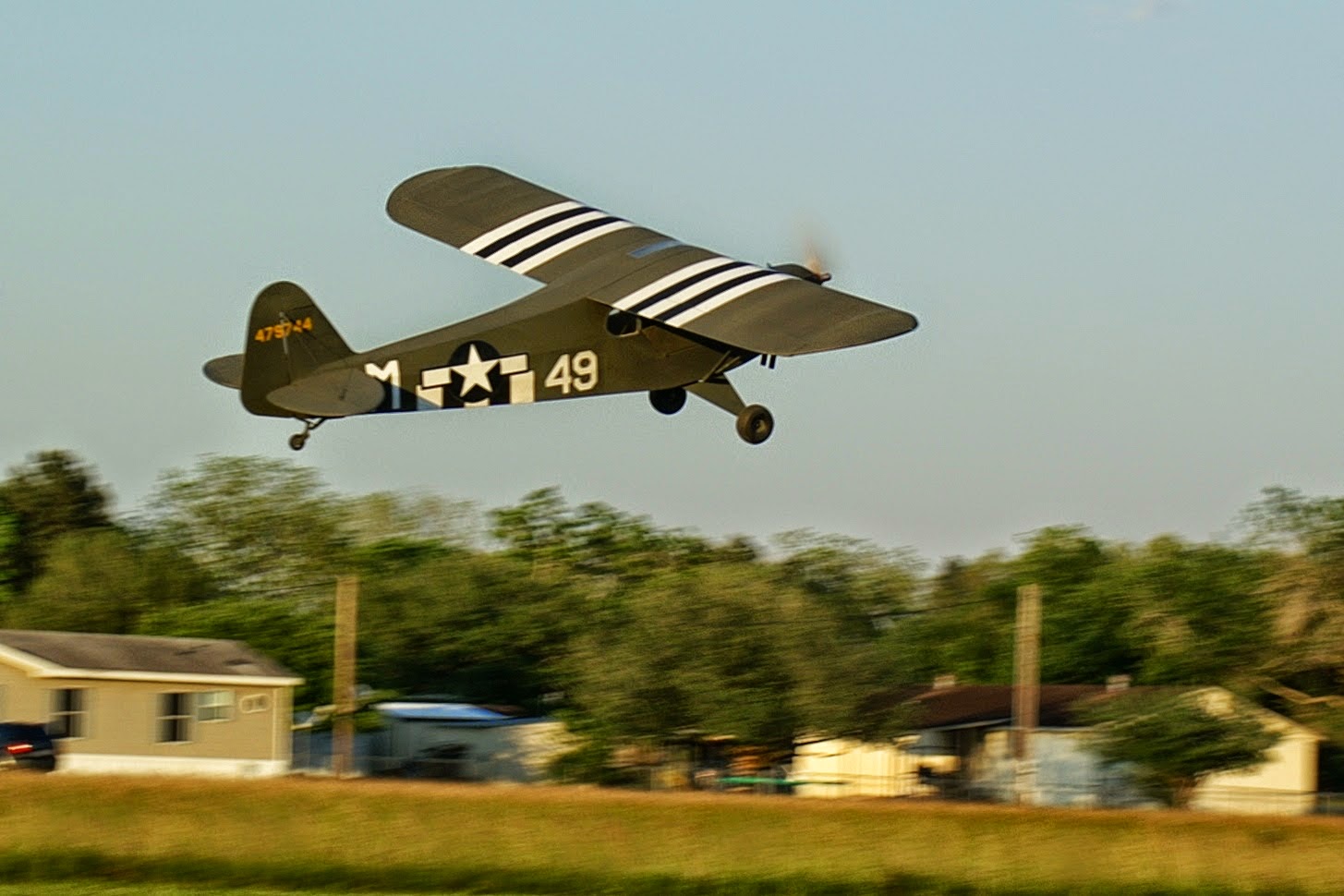
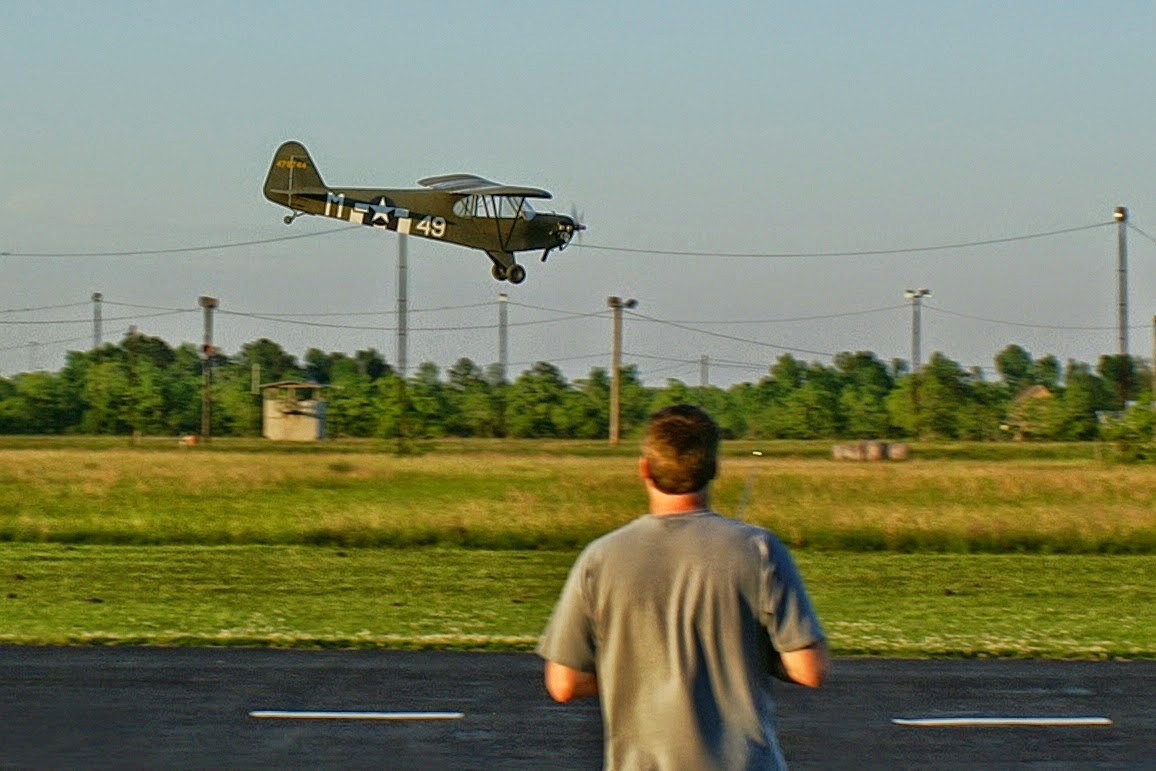
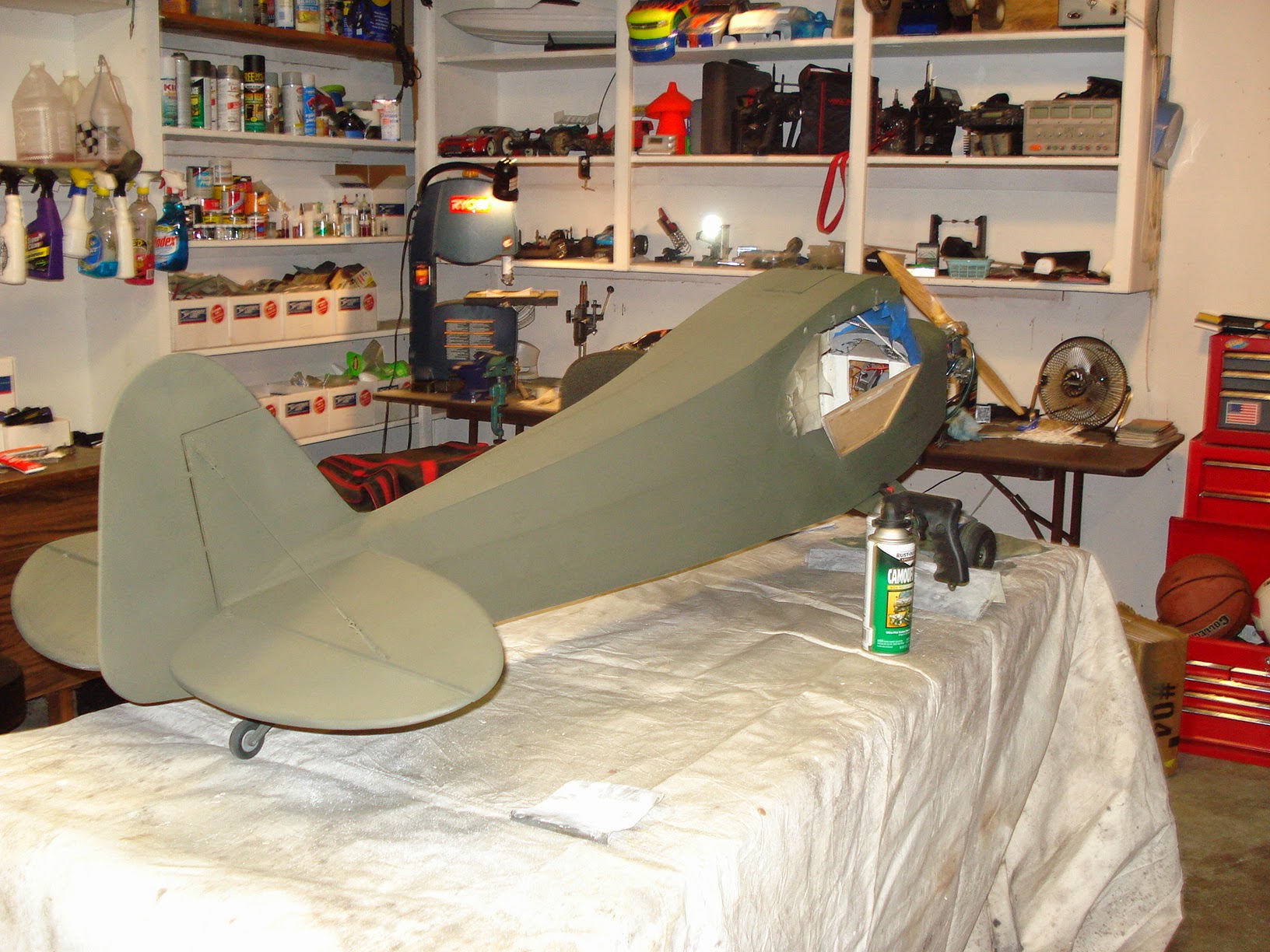
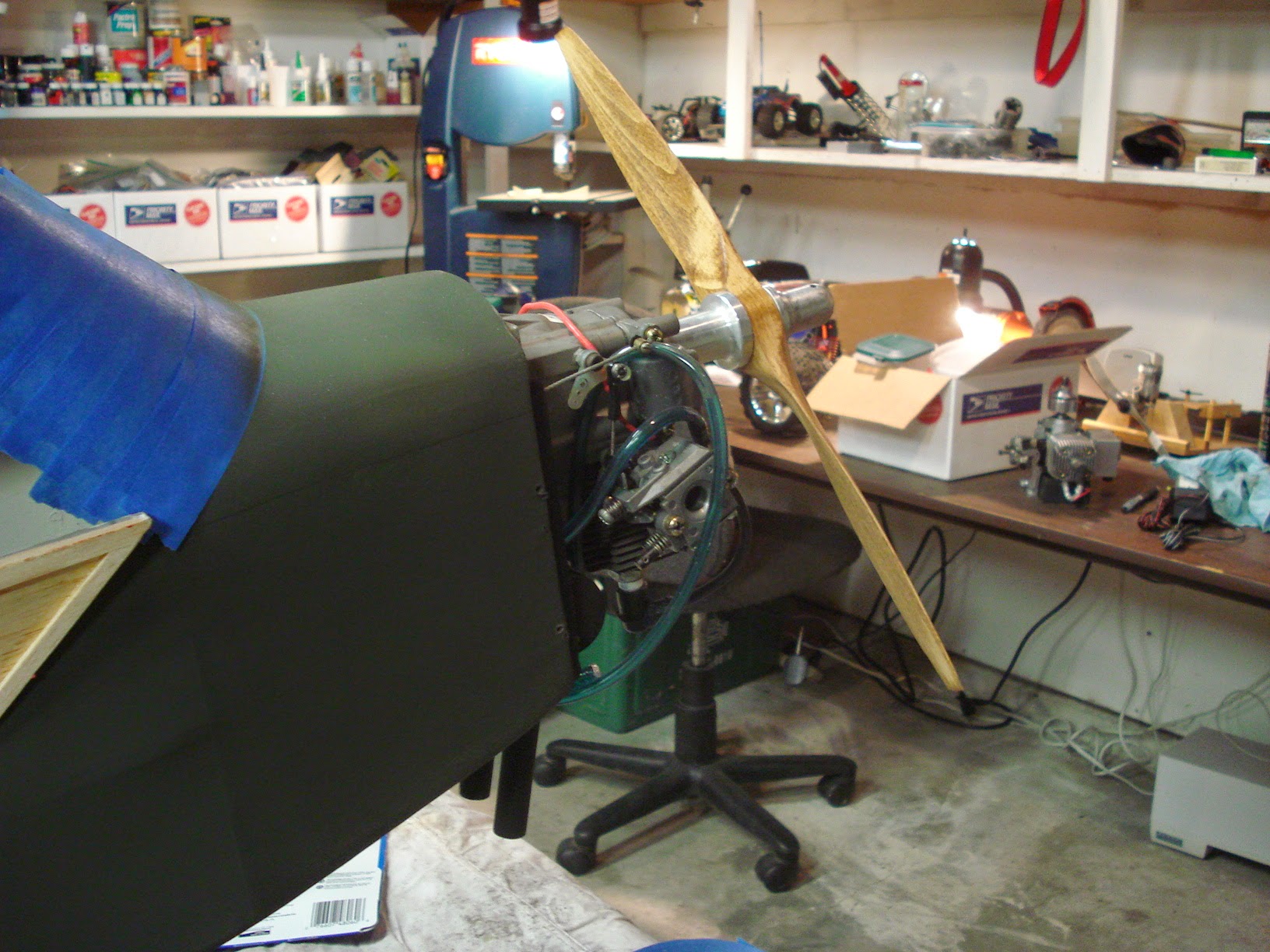
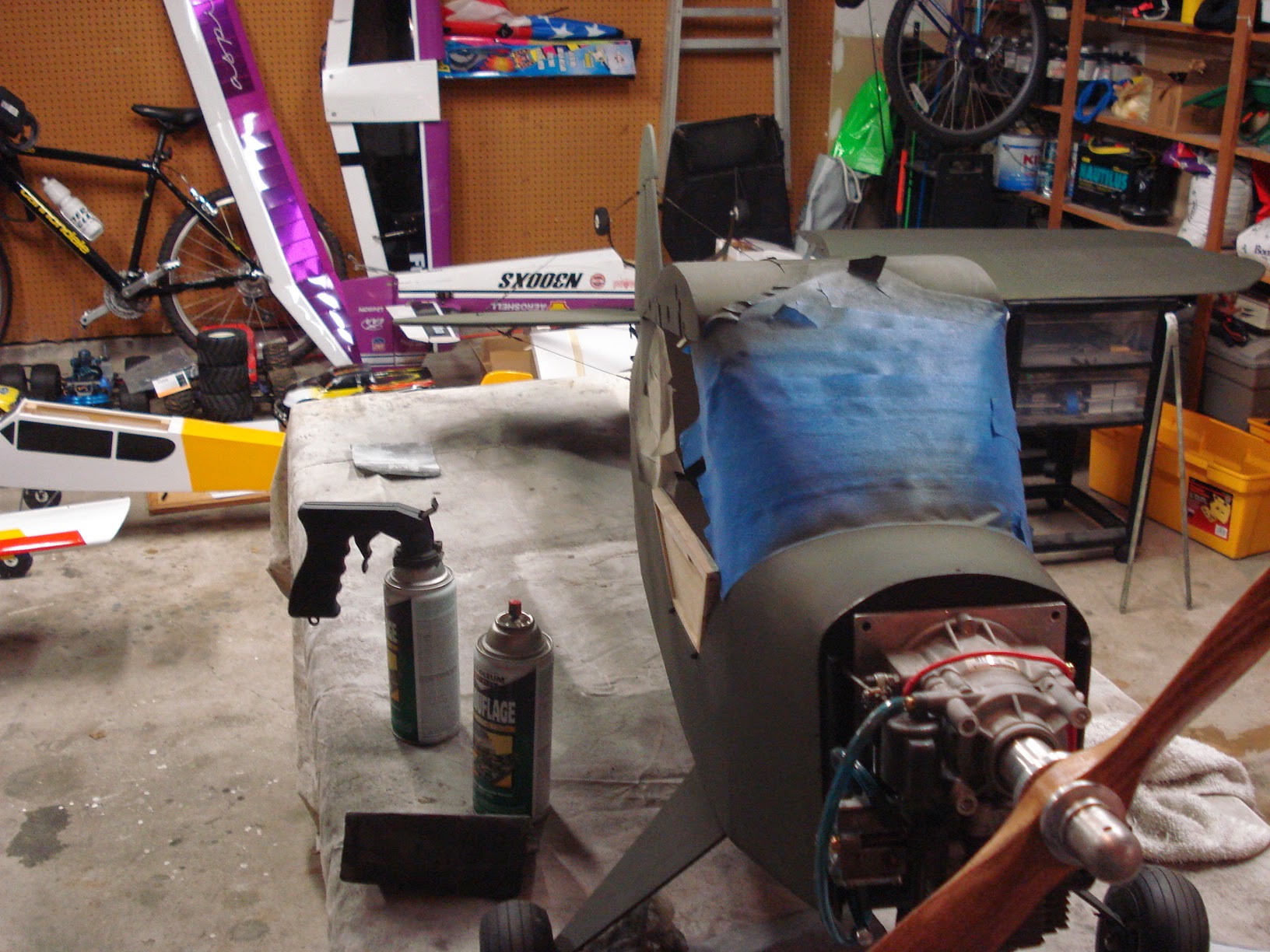
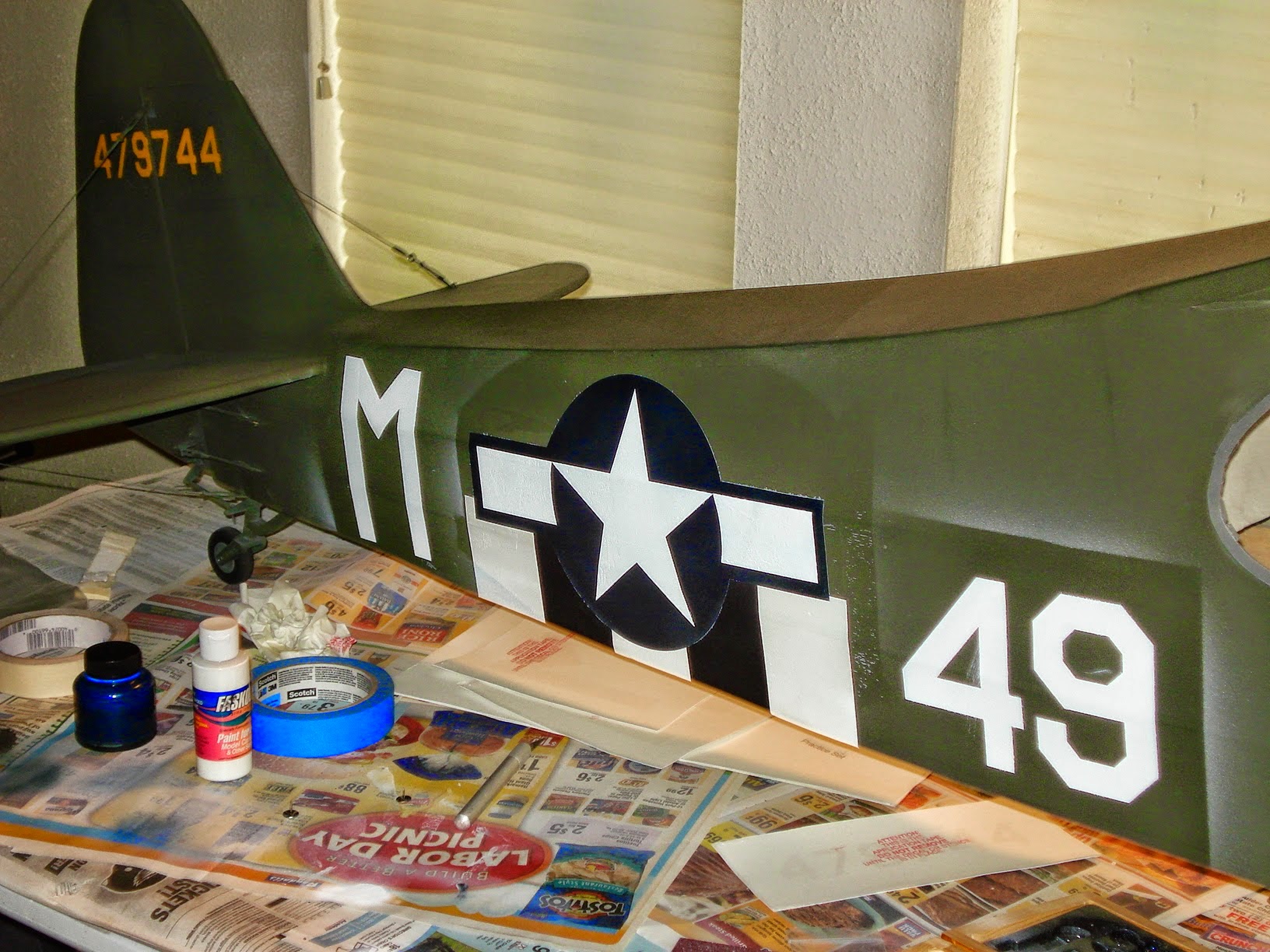
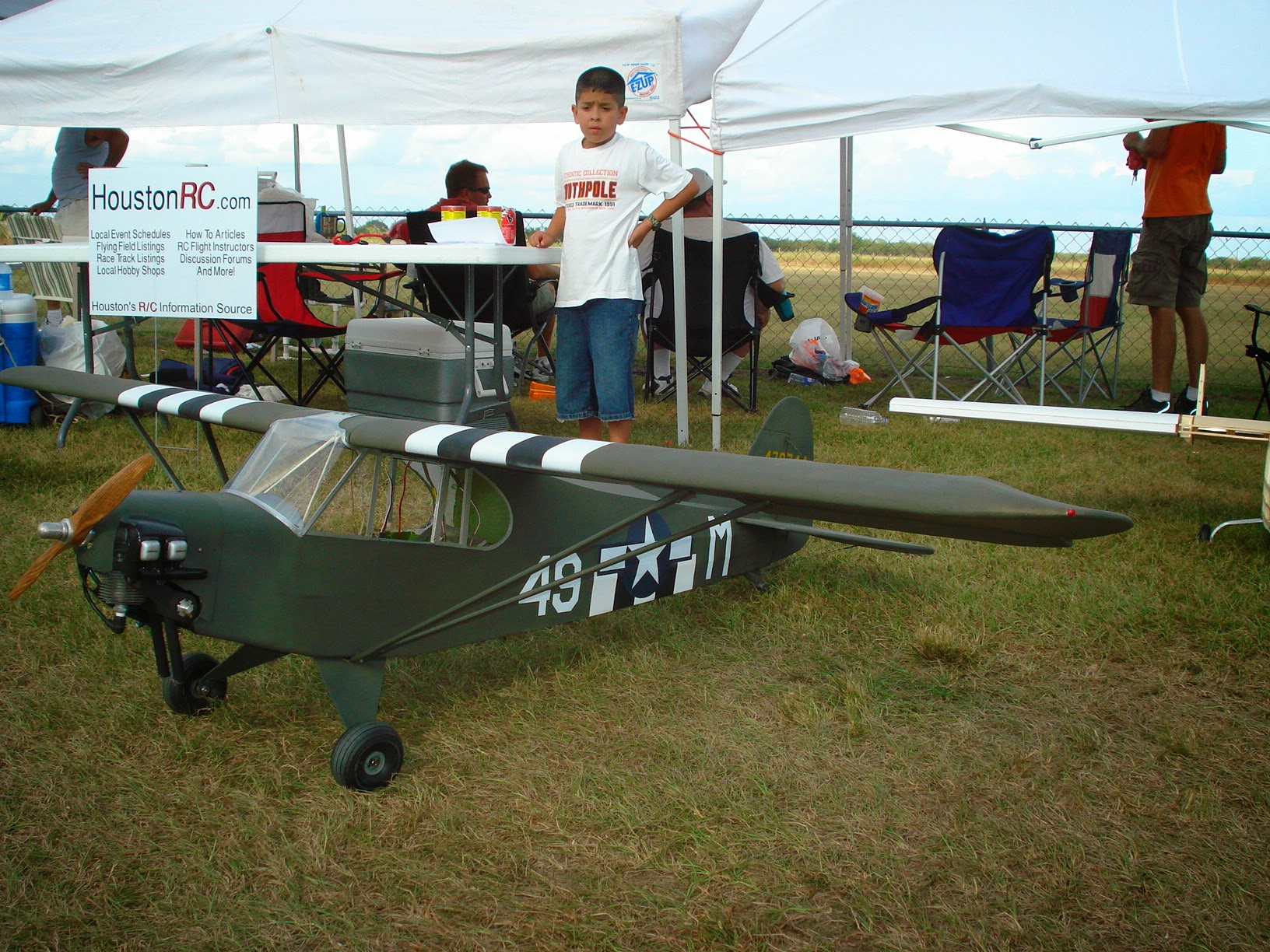
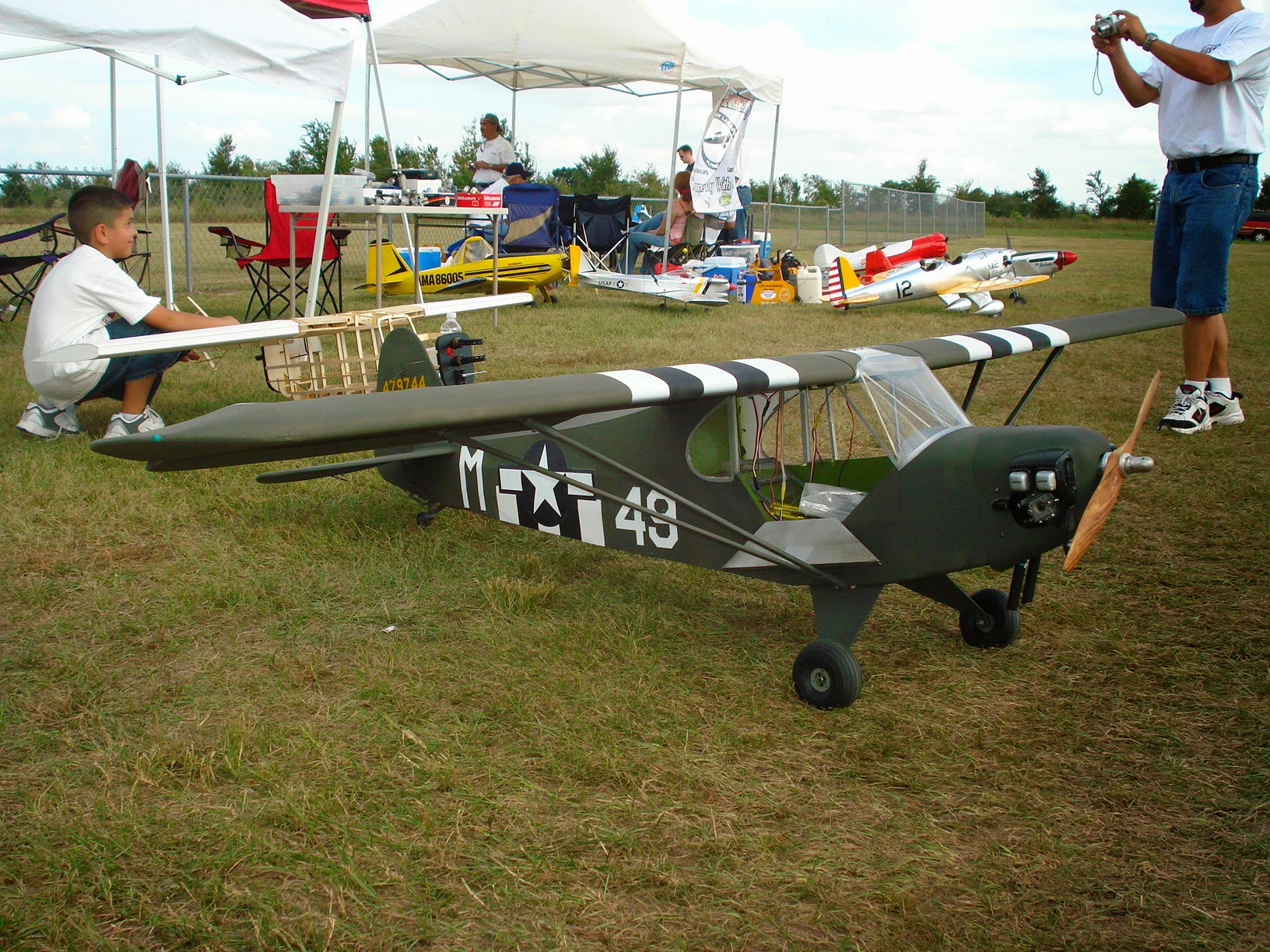
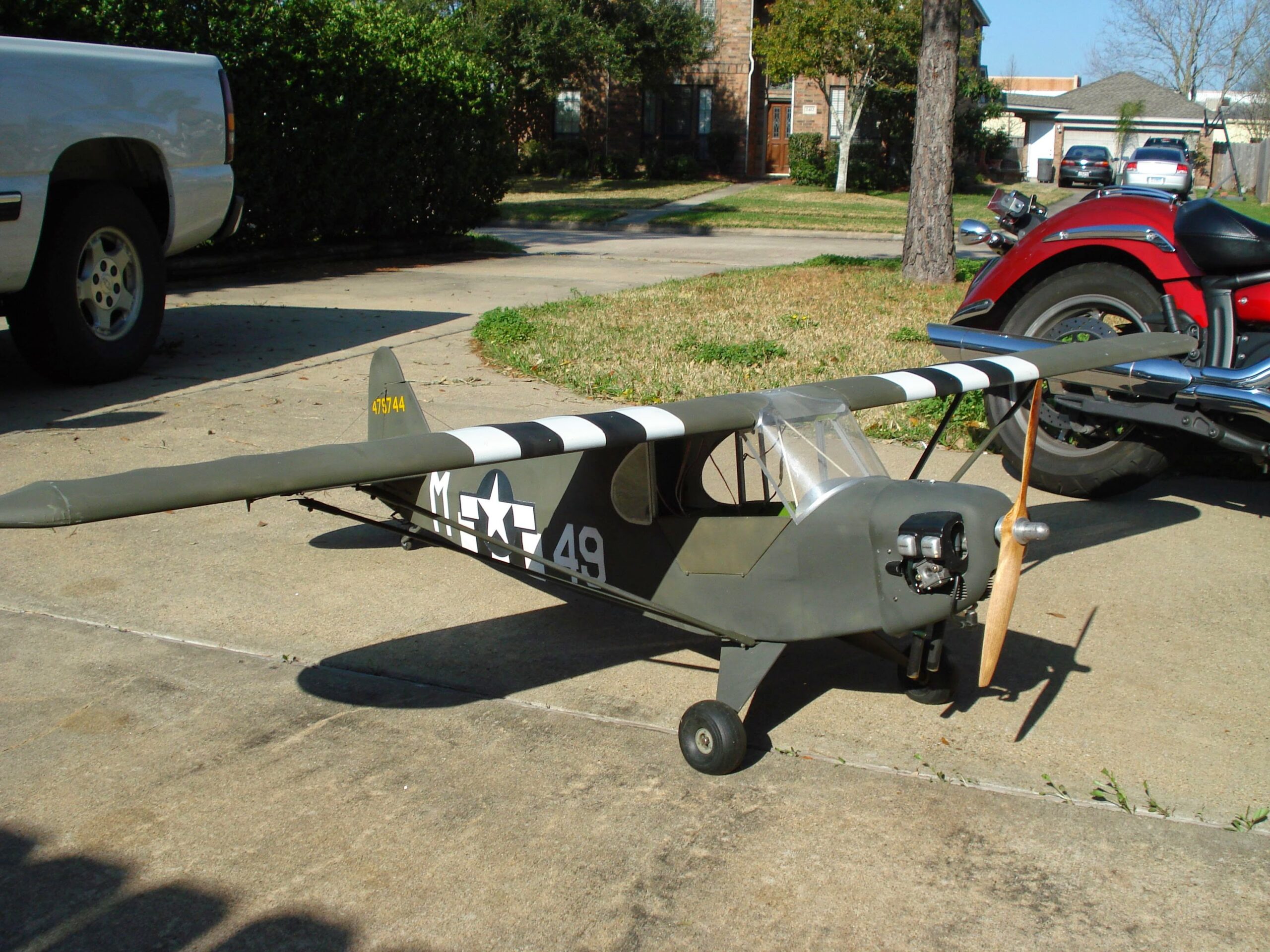
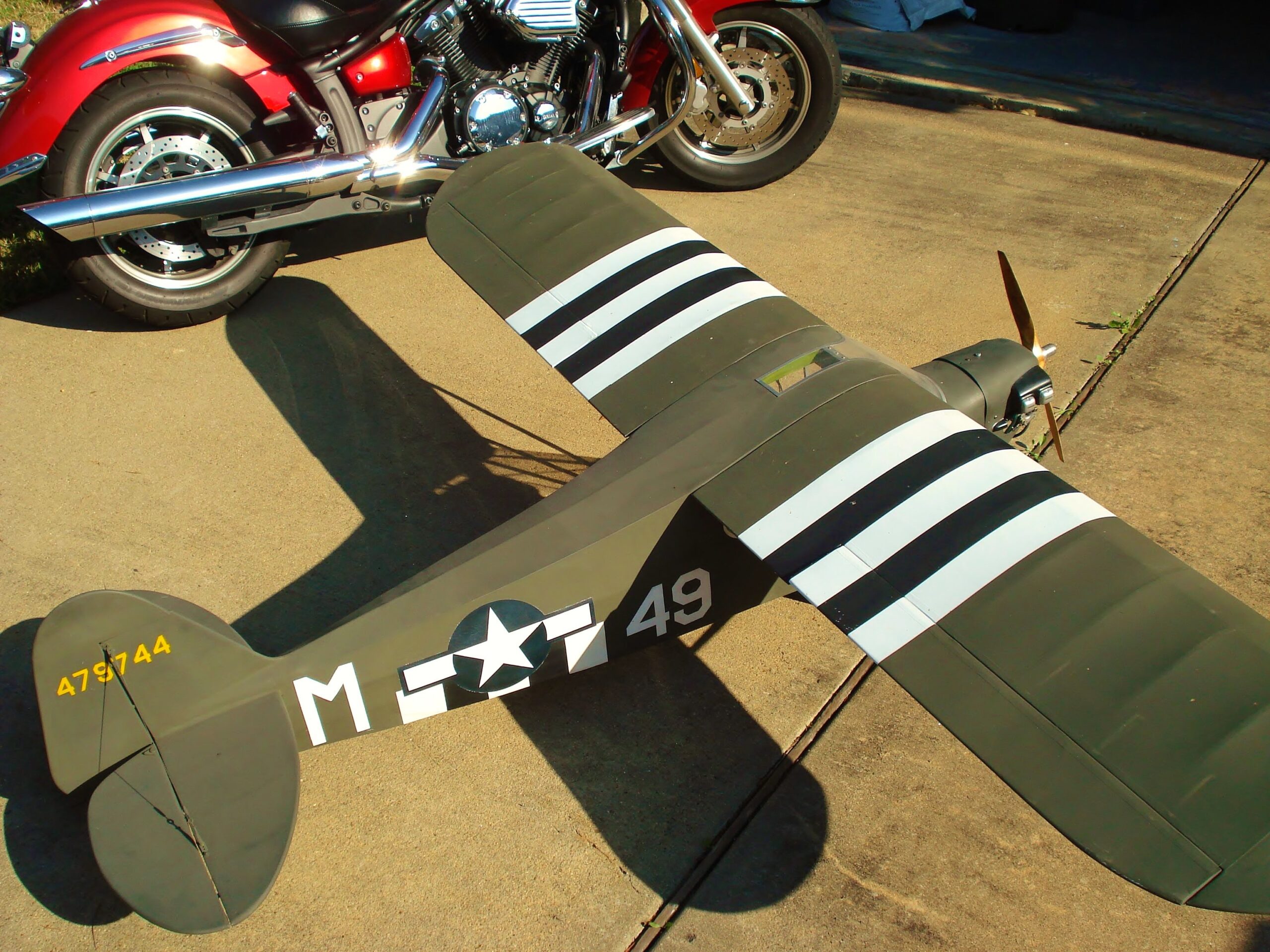
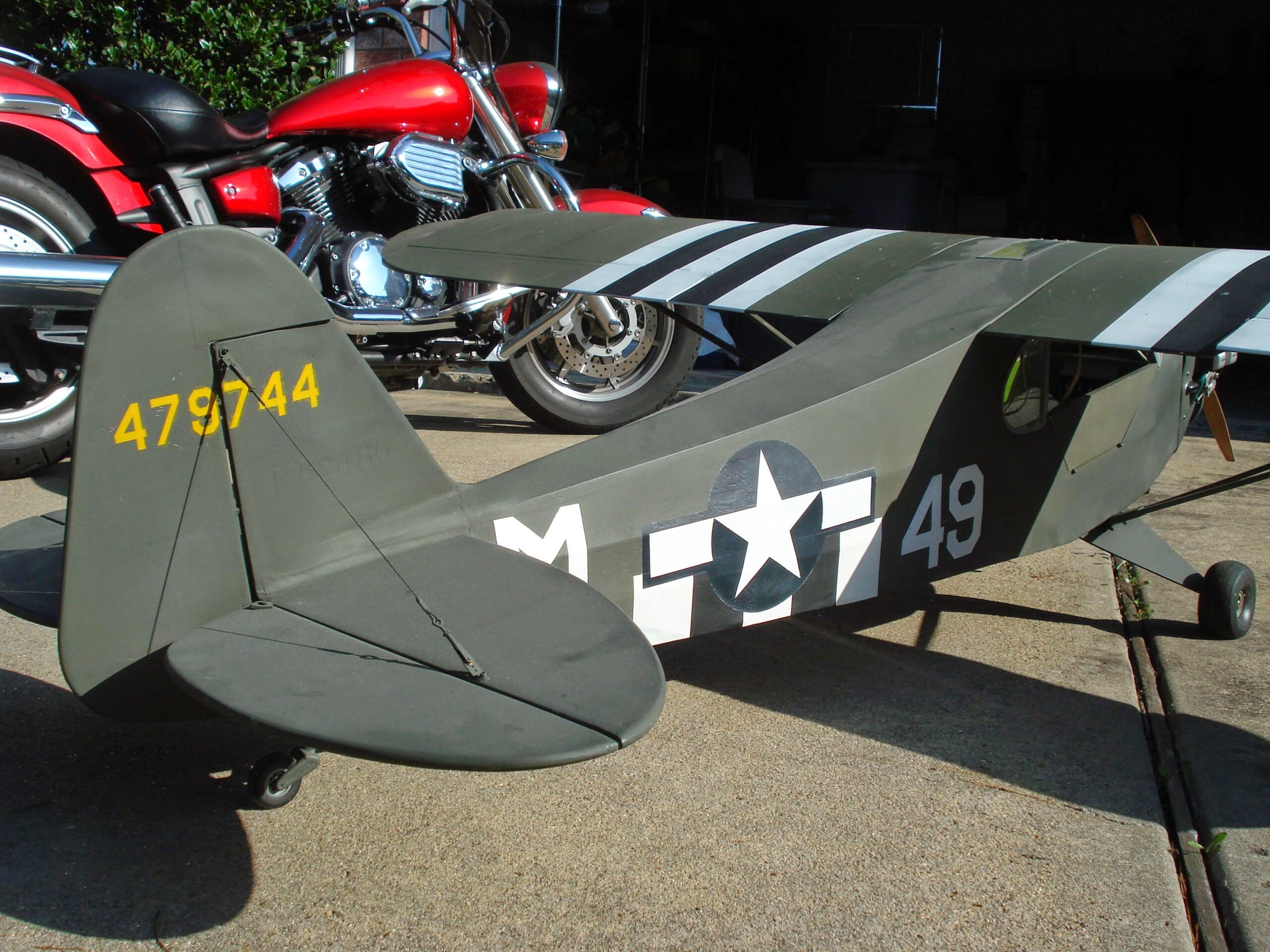
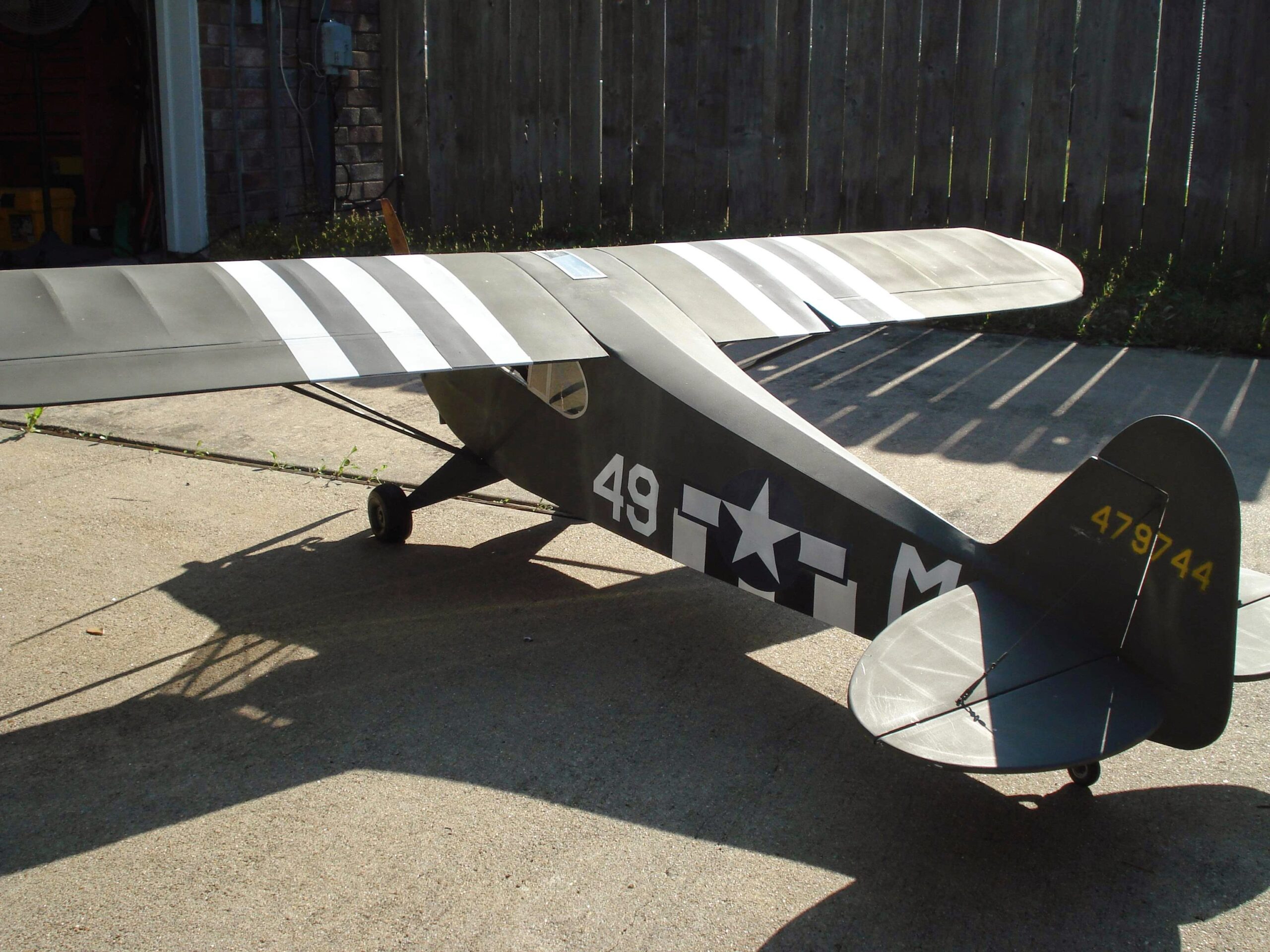
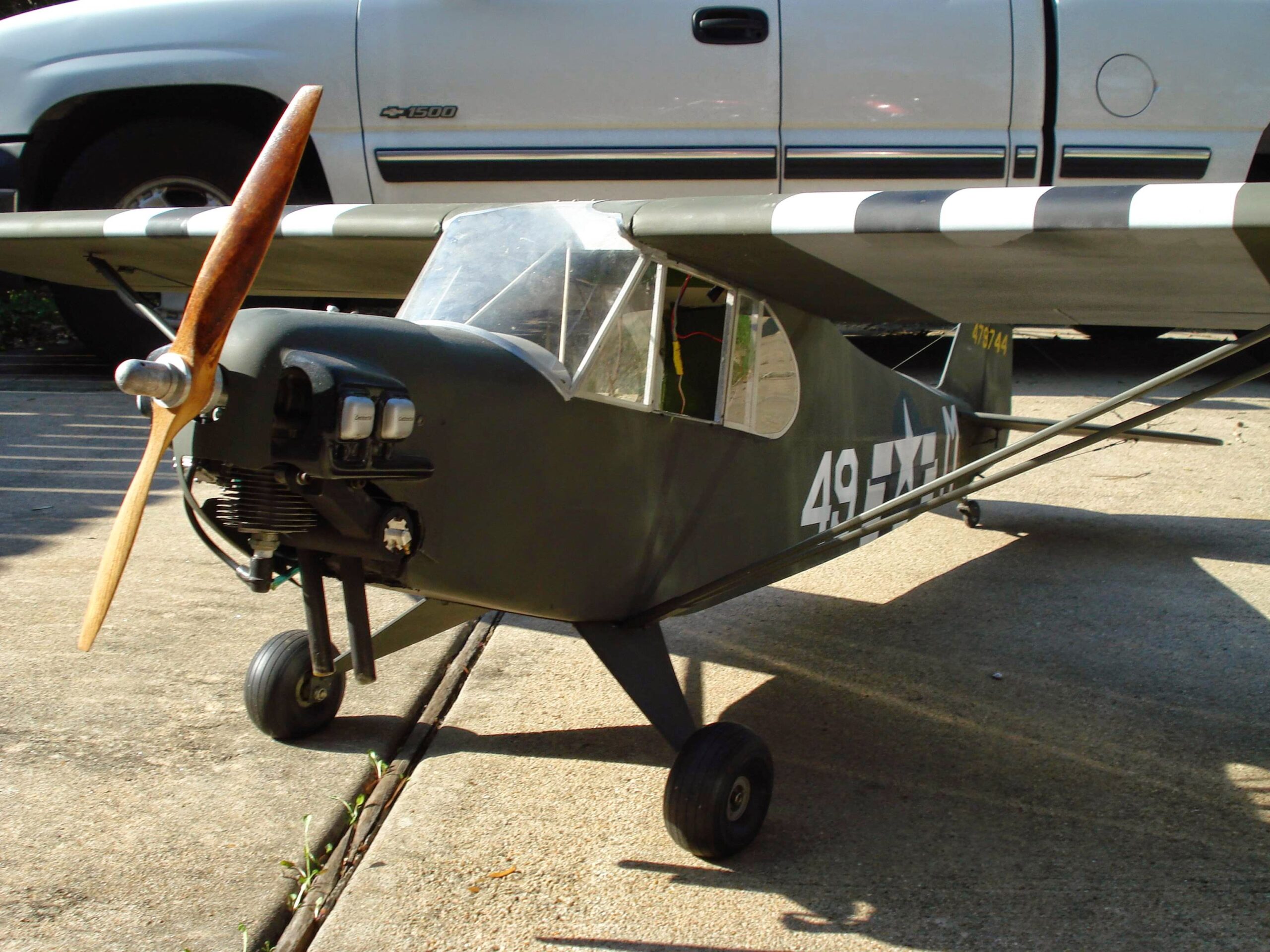
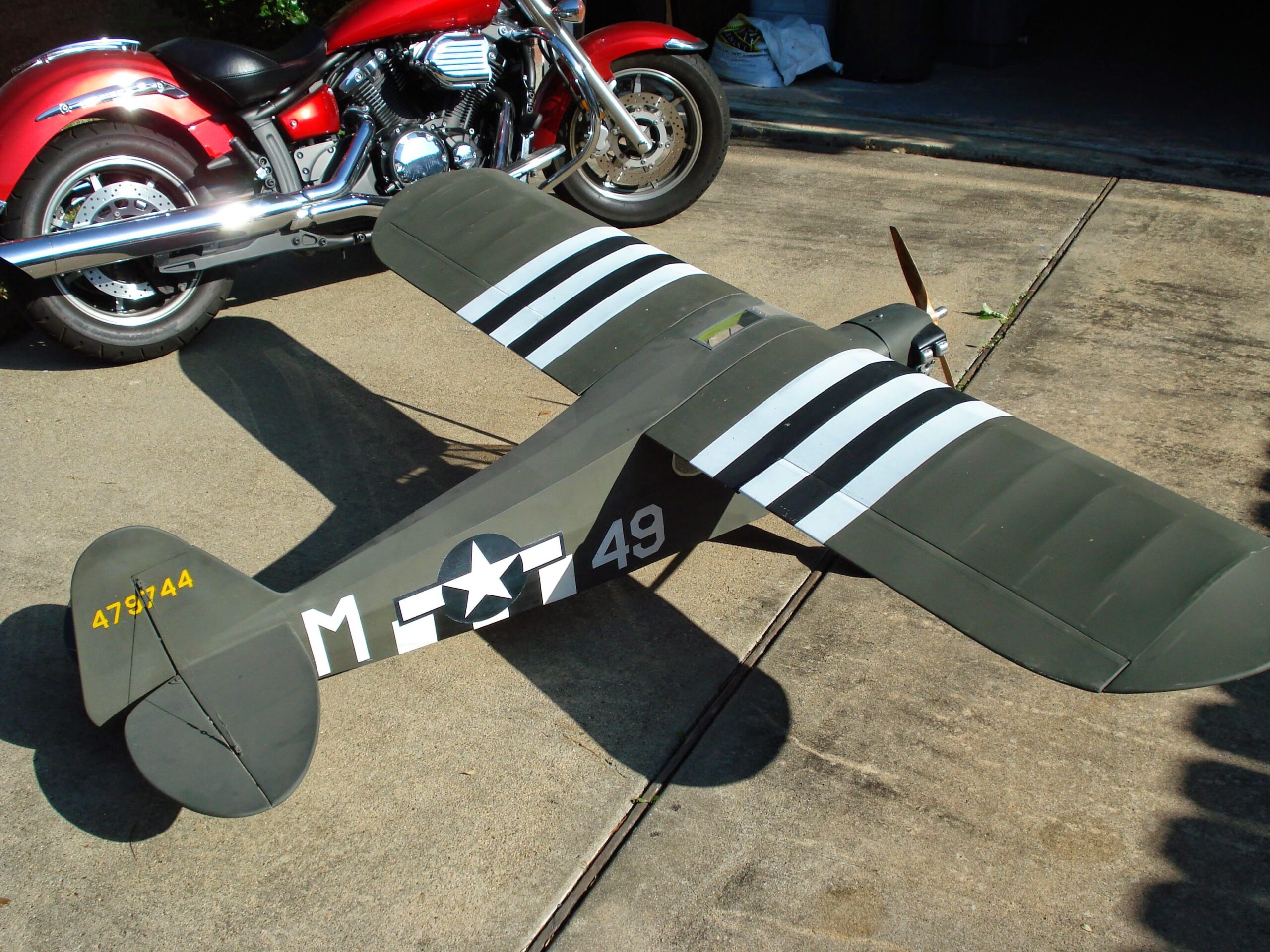
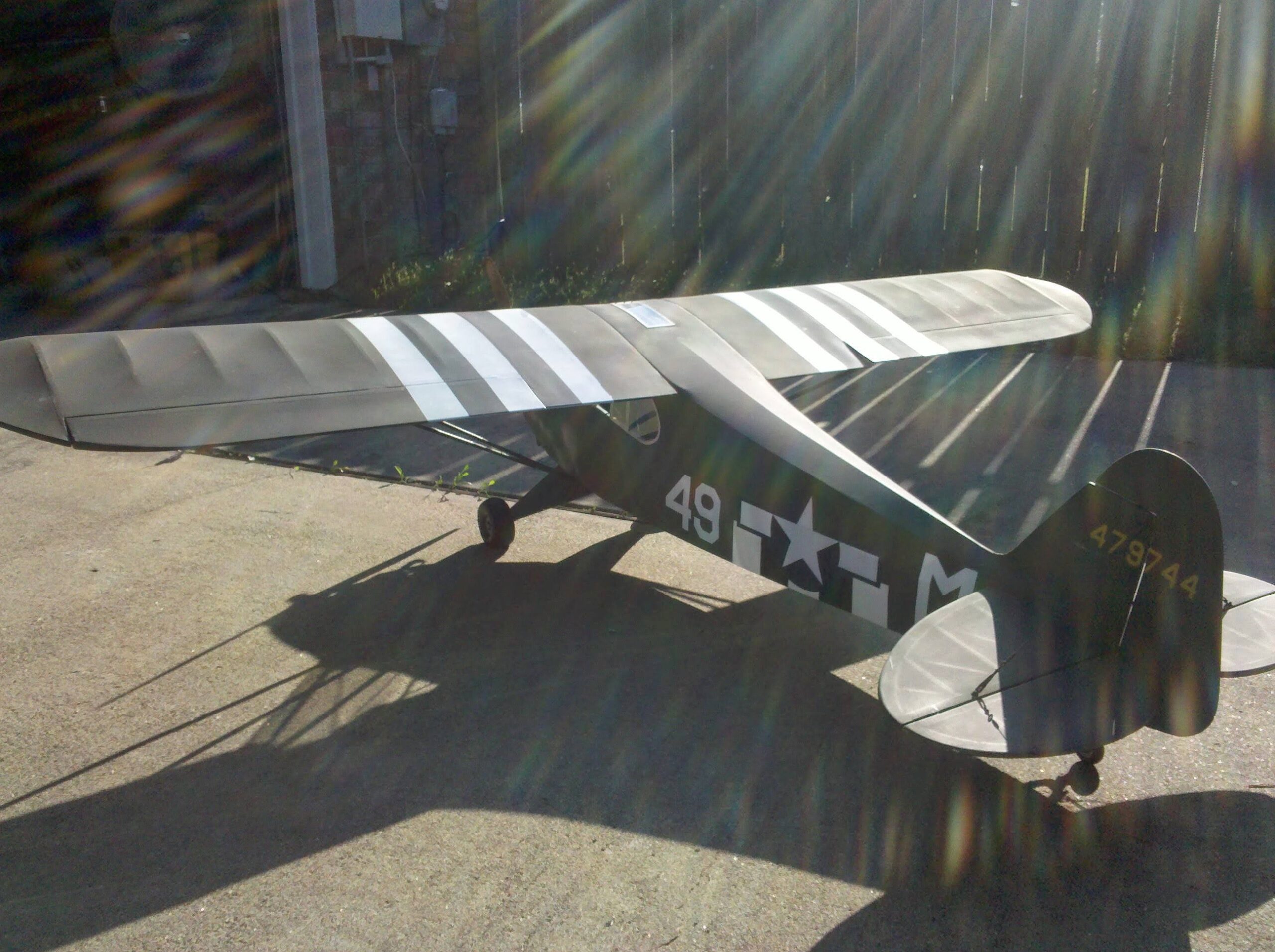
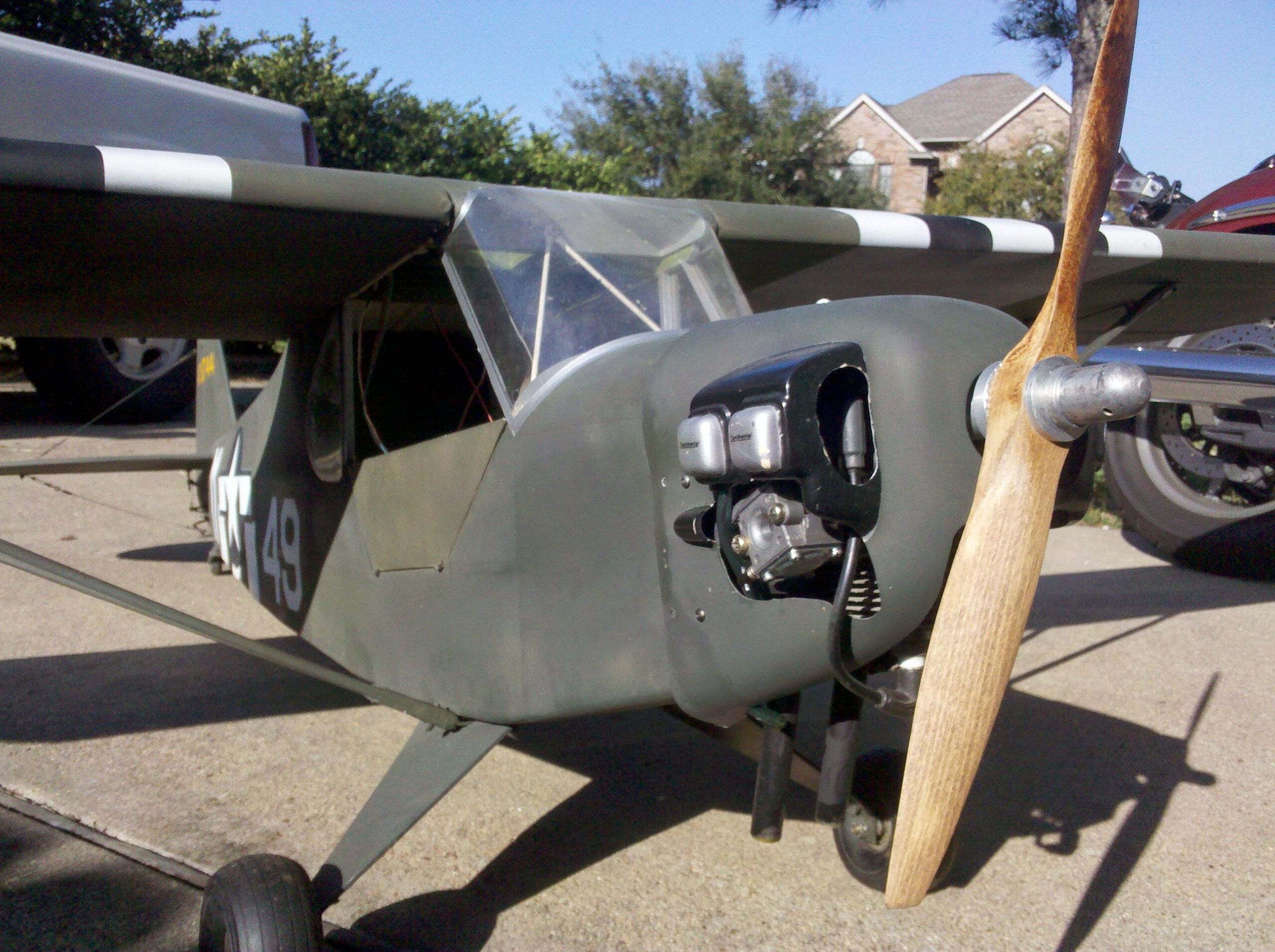
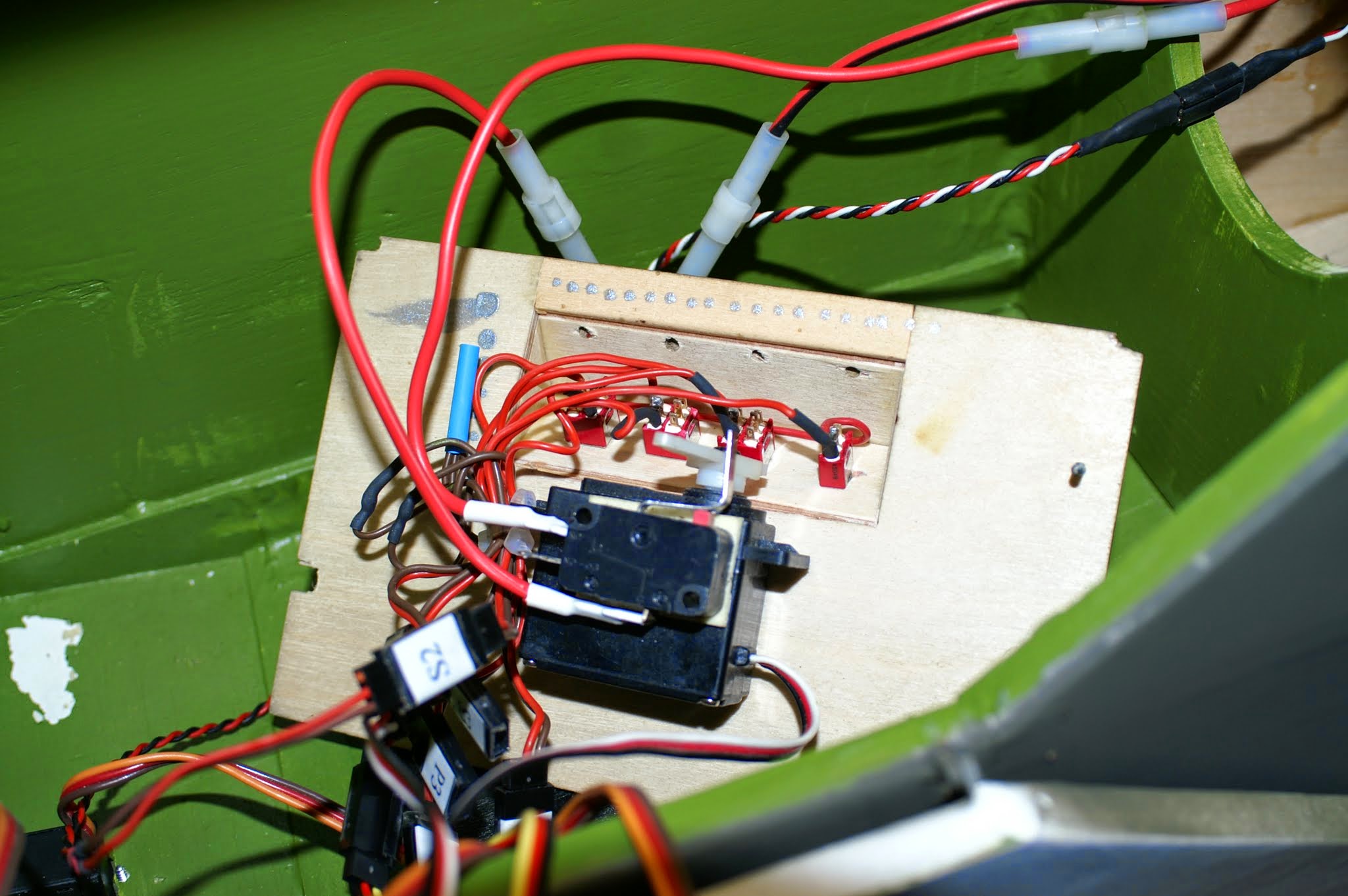
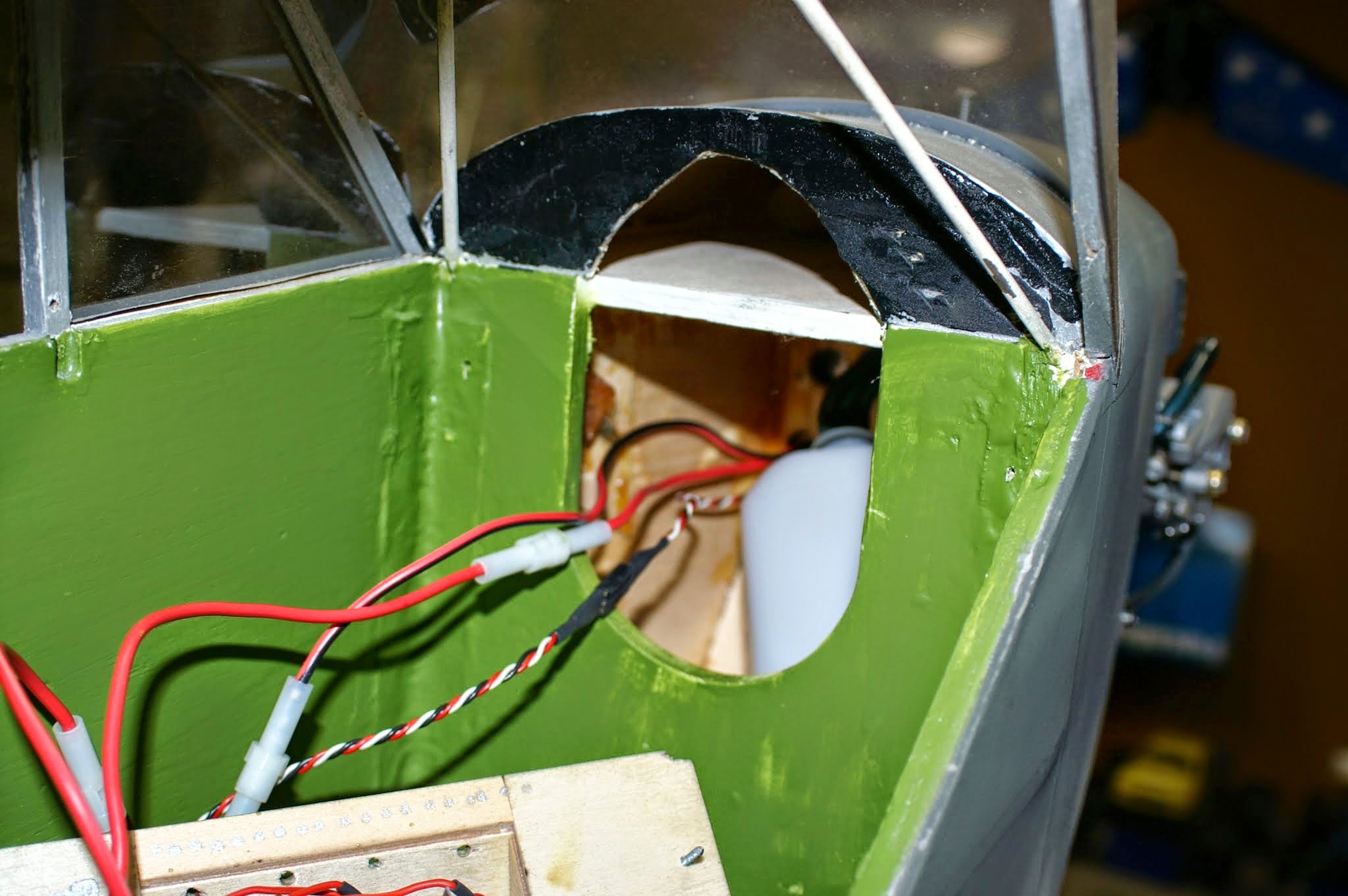
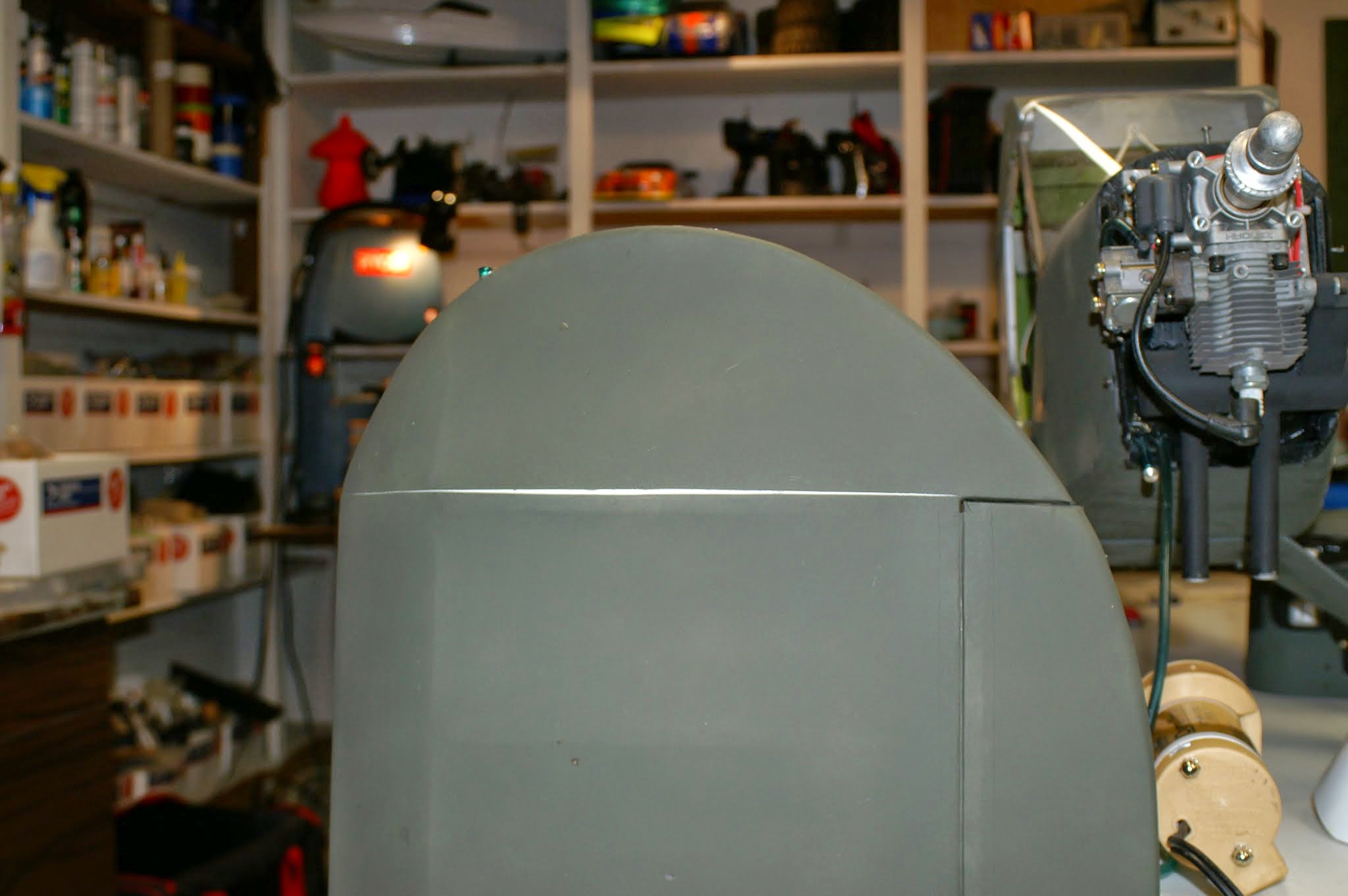
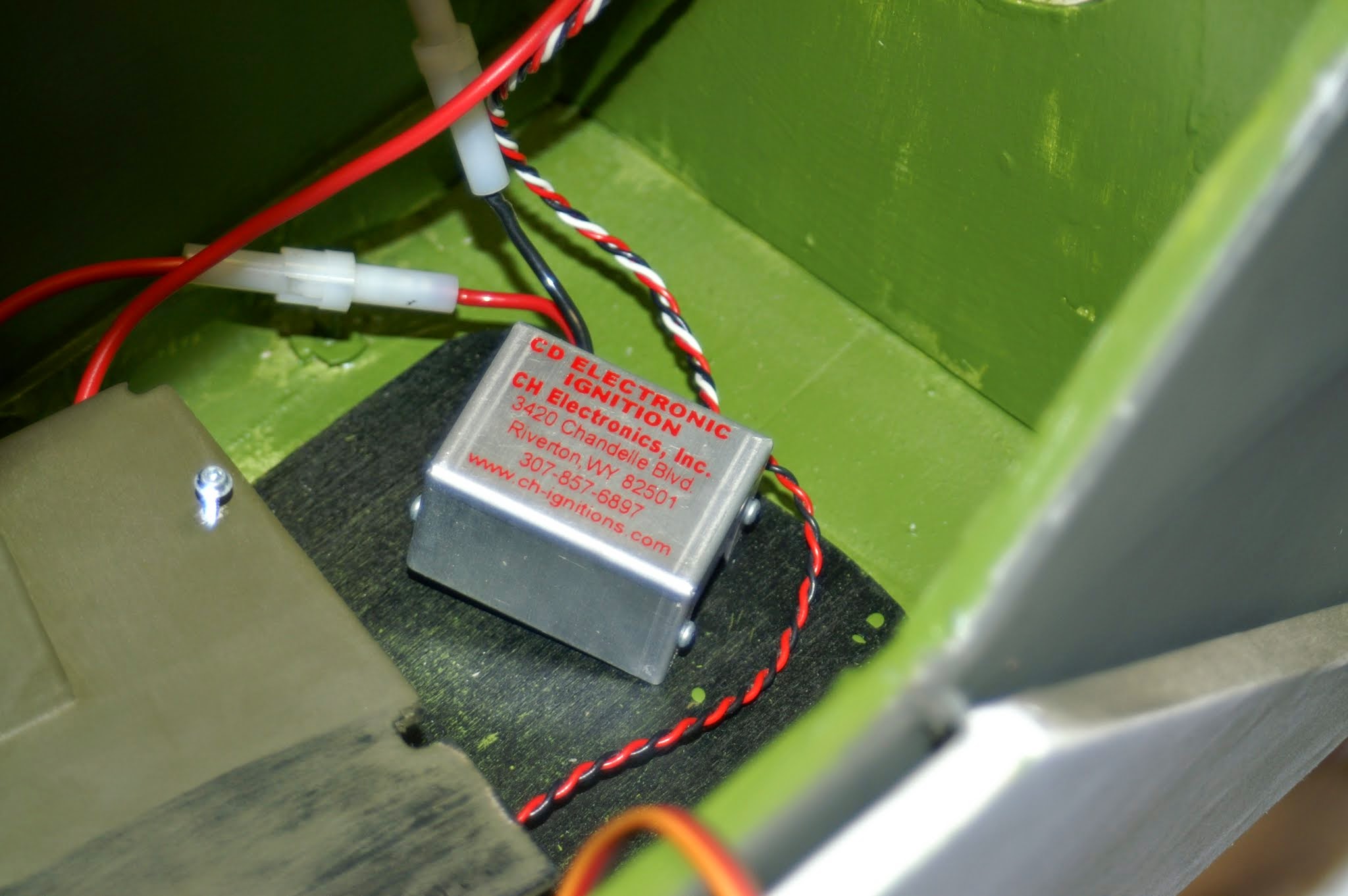
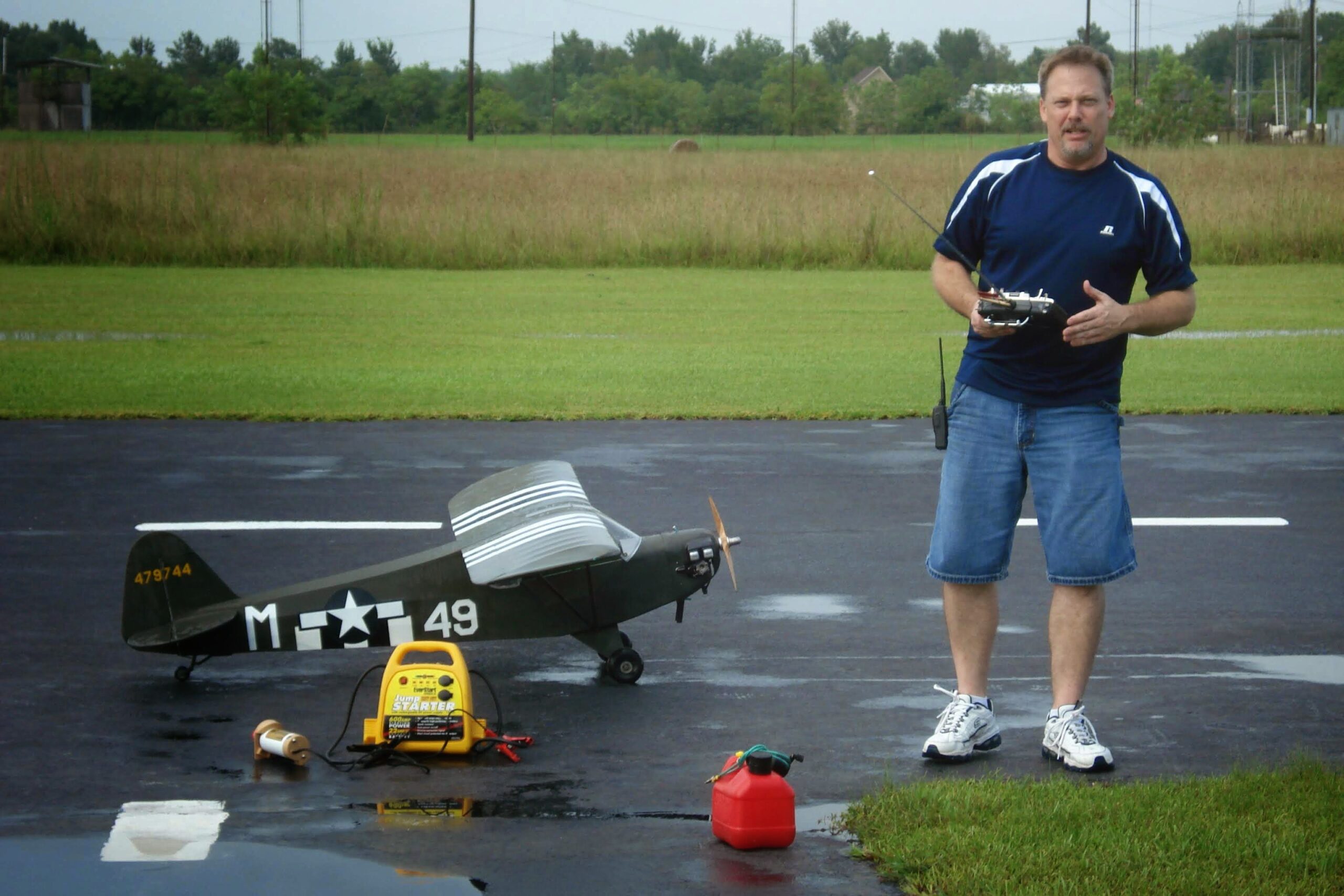
Click any photograph to open the full-size viewer. Use the arrows or your keyboard to move through the gallery.
A glider, the coastal cliffs and my Uncle David
My introduction to RC came from watching my uncle fly his radio-controlled glider from the coastal cliffs of Southern California. Seeing control surfaces move from commands sent through a handheld transmitter—and watching the airplane use the ocean breeze to remain aloft—made a lasting impression. Although I have been deeply involved in RC, flying an unpowered sailplane remains high on my bucket list.
The scratch-built wooden drone
This was my very first drone build, from a time before a dependable GPS-equipped multirotor could simply be bought, charged and flown. Every major system had to be selected, understood and made to work together: the GPS receiver, flight controller, motors, electronic speed controllers, power distribution, batteries, radio link, telemetry and software configuration.
The airframe itself was little more than carefully arranged balsa wood and sticks, but making it hover was a serious engineering exercise. Motor thrust had to match the weight, the ESCs had to respond consistently, the controller had to interpret the sensors correctly, and the GPS and tuning had to keep the aircraft from drifting away. Watching that handmade machine rise, stop and remain fixed over one spot—with no hands correcting it—was a remarkable moment. Today that behavior seems ordinary; at the time, it proved that a complicated collection of home-built systems was finally working as one aircraft.
The drone later came apart so its electronics could be reused in improved versions. That was not the end of the project so much as the next step in the experiment: this first wooden machine taught me how autonomous flight worked and supplied the foundation for everything that followed.

Mini DX Explorer
This ongoing build turns the full-size DX Explorer Jeep into a radio-controlled scale project. It connects RC driving with fabrication, model detailing and the same off-road personality as the real vehicle.


Aircraft, vehicles and workshop memories
The existing gallery remains available while the larger archive is curated into individual projects. Over time, the best images will move into named stories with useful captions instead of appearing as an unexplained wall of photographs.


A few beginner lessons worth knowing
- Get help early. A local RC club or experienced pilot can save an airplane—and a great deal of frustration—on the first outing.
- Respect lithium batteries. Use the correct charger, inspect packs and connectors, and store them appropriately.
- Plan for recovery. Boats need a recovery plan; aircraft need adequate space; trail vehicles need tools and spare parts.
- Repairs are part of the hobby. A broken part is often the beginning of learning fabrication, adhesives, soldering or 3-D printing.
- Check the rules. Know the current requirements for the model, location and type of operation before flying.
Want to go play RC?
Want to fly airplanes or gliders? Drive trucks, crawlers or cars? Run boats or sailboats? Maybe you are building something unusual, getting back into the hobby, or simply want somebody to go operate with. Hit me up. I am looking for local radio-control buddies who want to meet, compare projects, help one another and spend some time flying, driving or sailing.
Beginners are welcome, too. You do not need a perfect model or years of experience—just an interest in RC and a willingness to have some fun and learn together.
Follow the next idea
RC overlaps naturally with the rest of this workshop. Visit the 3-D printing page for fabrication, see the full-size DX Explorer Jeep, or explore the radio shack. Have a question about a build? Send me a message.